EN
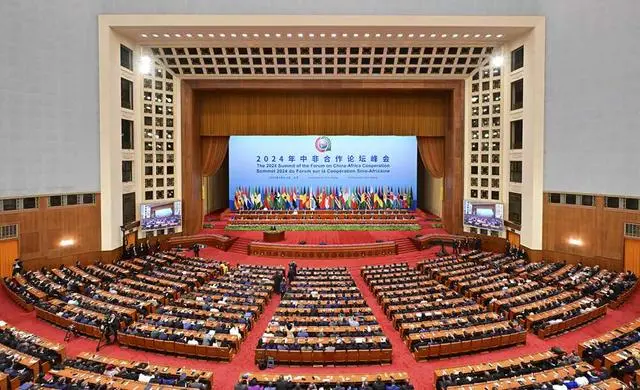
Building High-Quality China-Africa Cooperation Together – President of Zimbabwe Witnesses AGRIFAM Signing Ceremony

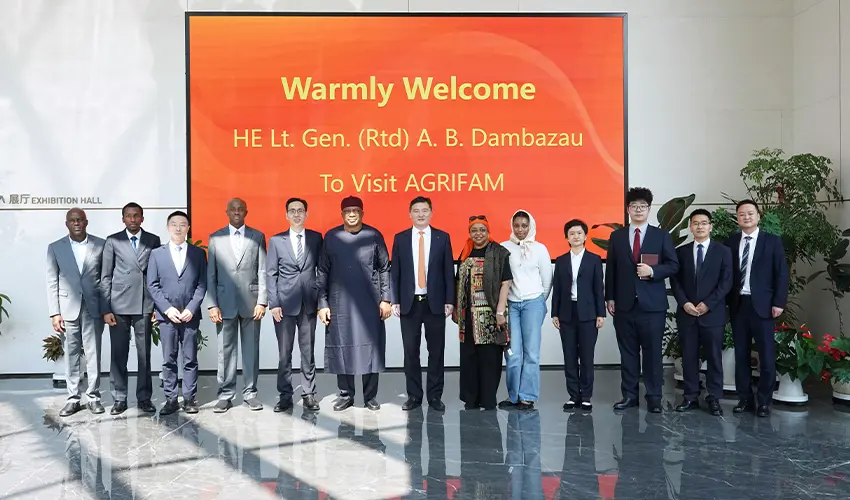
Deepening China-Nigeria Agriculture and Livestock Cooperation to Forge a Blueprint for Food Security – Nigerian Ambassador to China Visits AGRIFAM Huinong for Exchange and Inspection

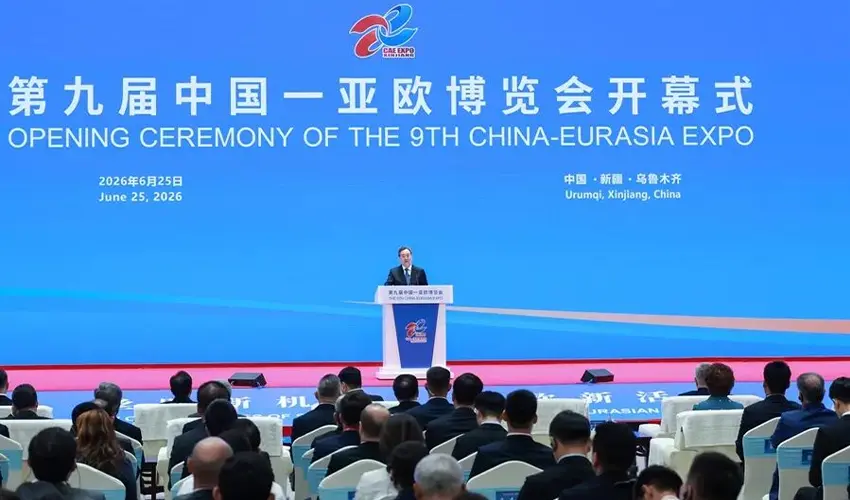
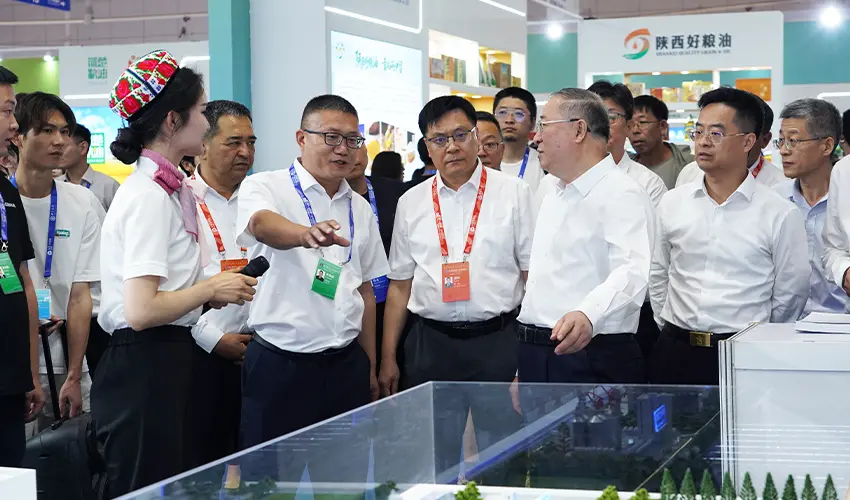
Deepening Industrial Cooperation, Jointly Safeguarding Food Security along the Silk Road – AGRIFAM Huinong Makes Its Debut at the 9th China–Eurasia Expo
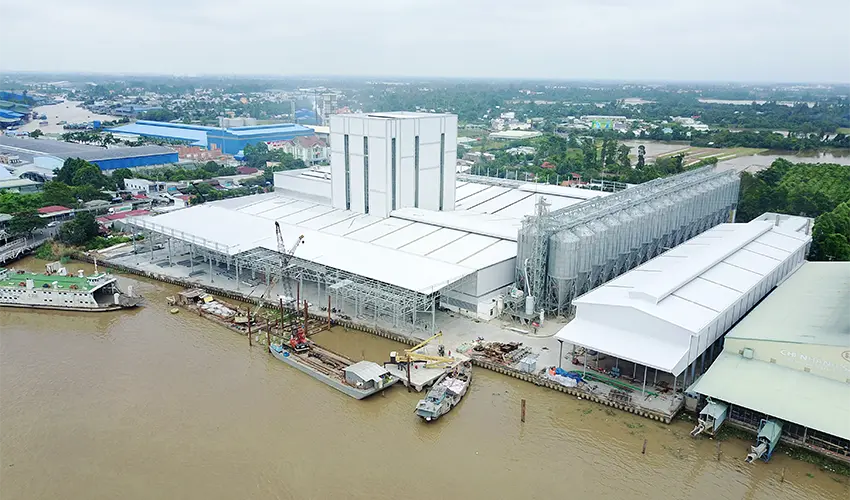
Building a feed mill from scratch involves countless moving parts, and I’ve seen projects stall for months because the engineering team wasn’t talking to the procurement people, or because commissioning got treated as an afterthought.
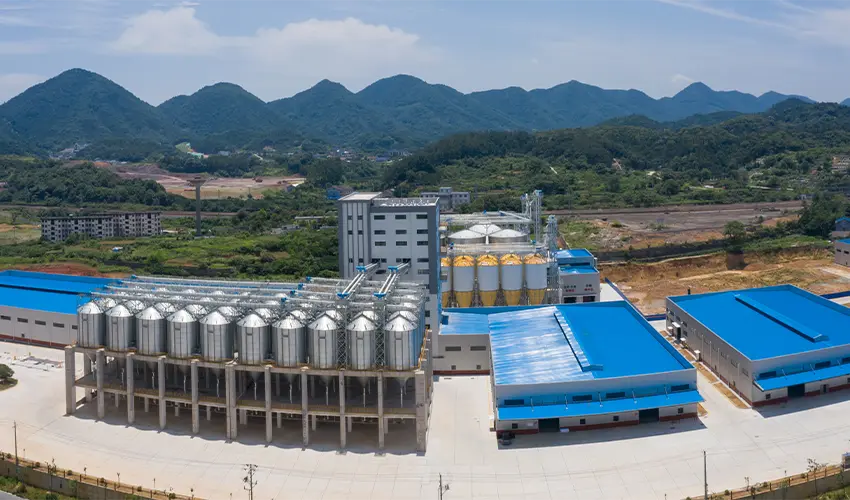
Running a feed mill that actually performs means getting the engineering right from the start. I’ve seen operations struggle for years with layouts that looked good on paper but created bottlenecks nobody anticipated.
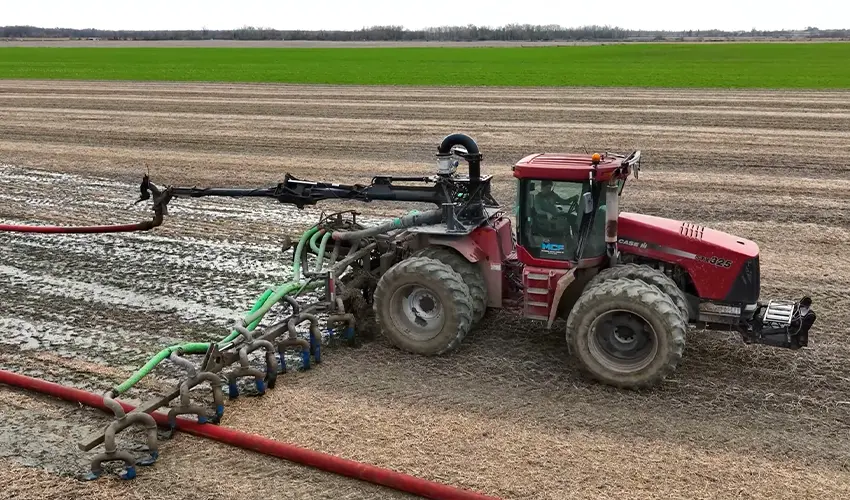
Livestock waste is one of those problems that looks simple on paper but gets complicated fast once you start dealing with real volumes.
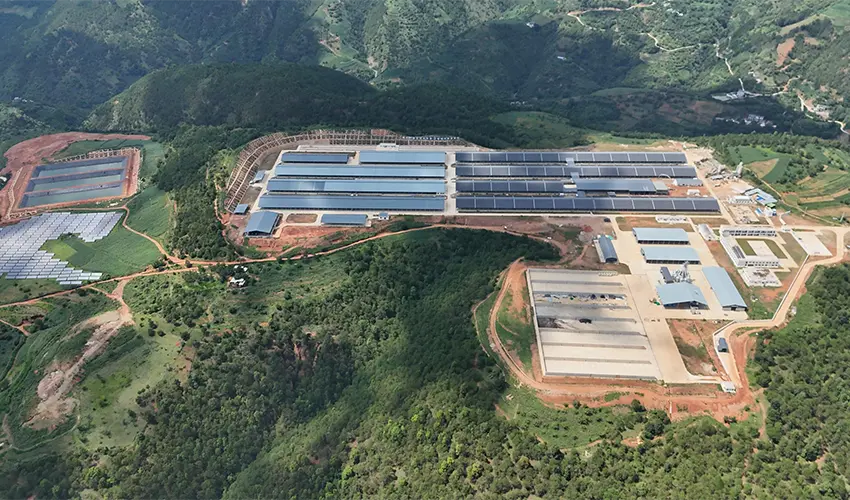
The agriculture and animal husbandry sector is shifting toward systems built around safety, health, energy efficiency, and environmental responsibility.
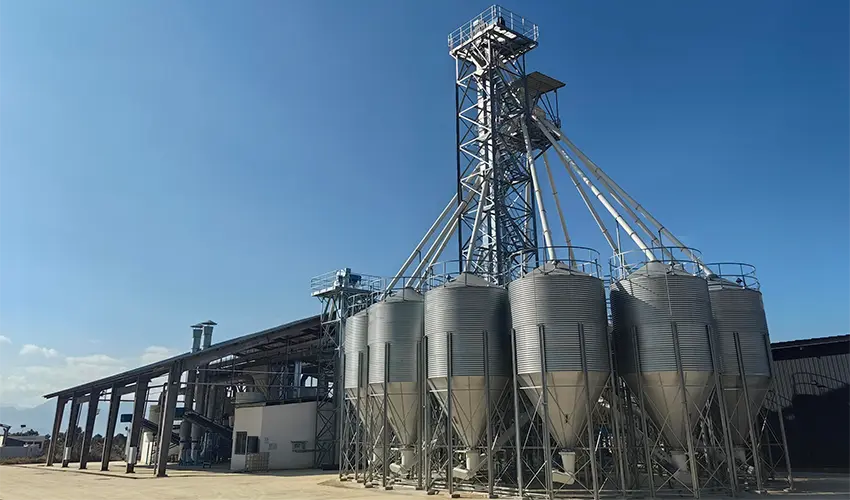
Working with livestock across Africa means confronting a familiar tension: the land holds enormous potential, but the systems around it often lag behind. Farmers in Zimbabwe, Nigeria, and neighboring regions know this firsthand.
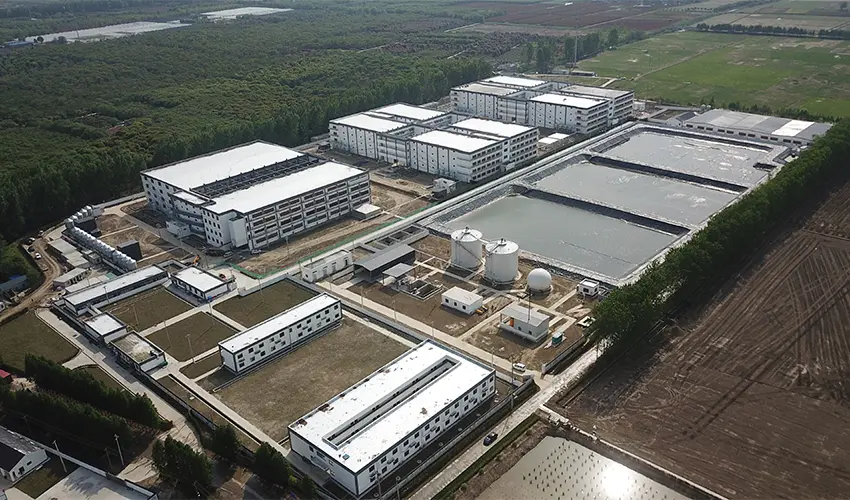
Getting pig farm engineering right means understanding that every square meter of barn space either contributes to or detracts from your bottom line.
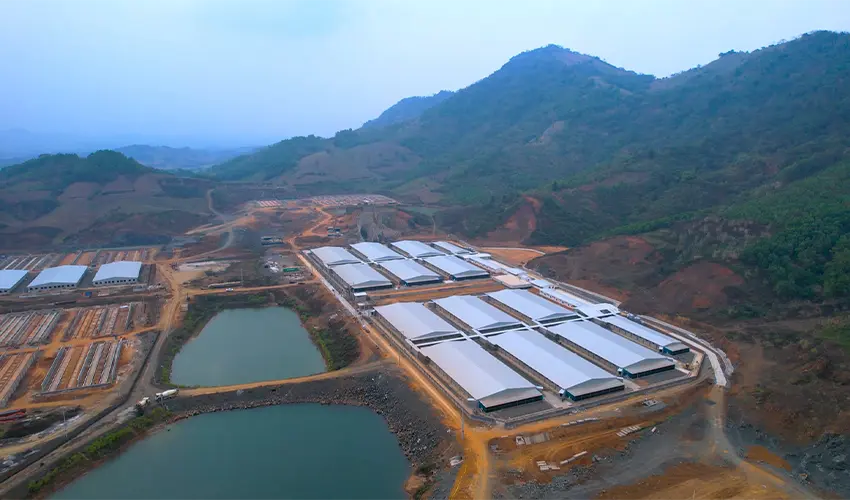
Modern livestock operations demand more than isolated equipment upgrades. The real gains come from treating feeding, watering, climate control, and waste management as interconnected systems rather than separate line items.
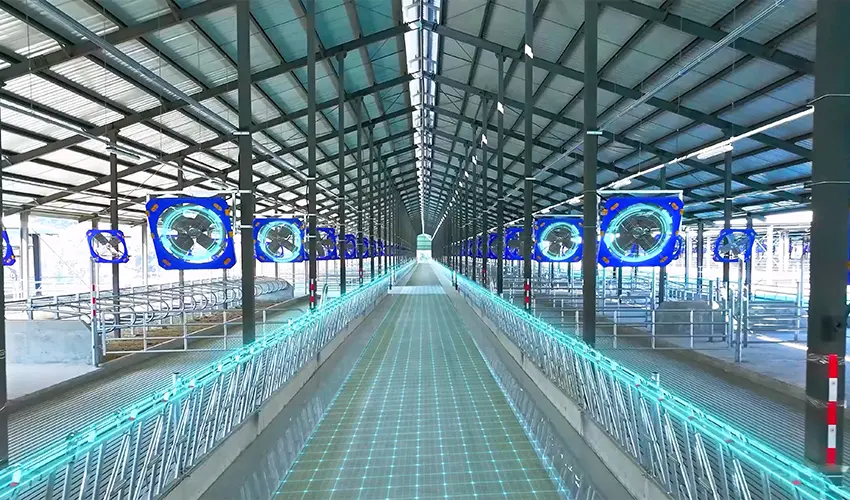
The livestock industry has changed more in the last decade than in the previous fifty years combined. Farms that once relied on manual labor and intuition now run on sensors, automated systems, and integrated management platforms.
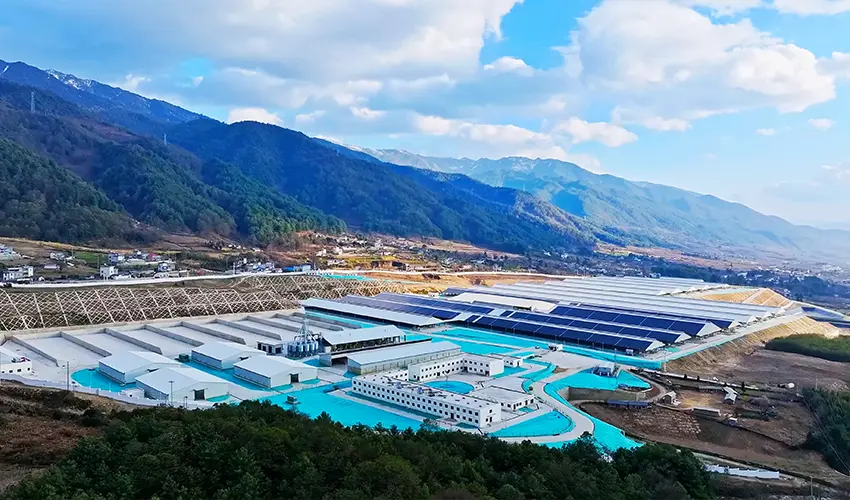
Running a livestock operation today means juggling animal health, production targets, and environmental pressures all at once. The complexity has grown beyond what traditional approaches can handle.
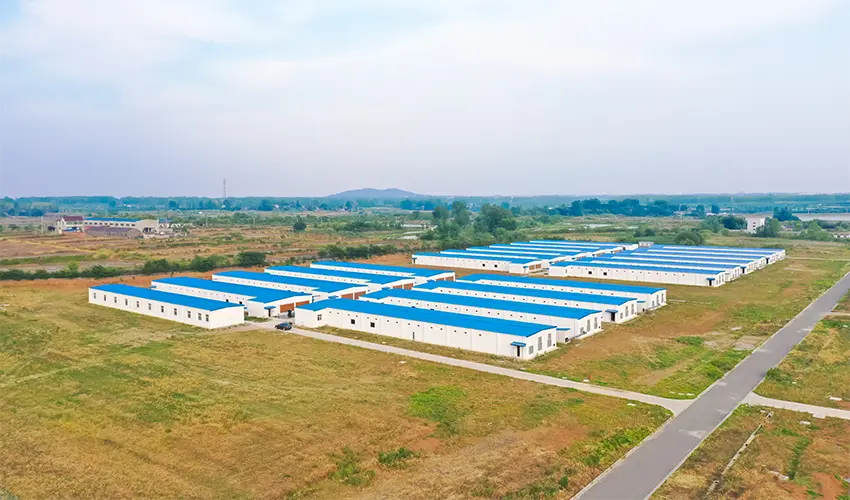
The shift toward modernized poultry industrial parks reflects something deeper than just operational upgrades. These facilities represent a fundamental rethinking of how large-scale poultry production can balance efficiency with genuine sustainability and animal welfare concerns.
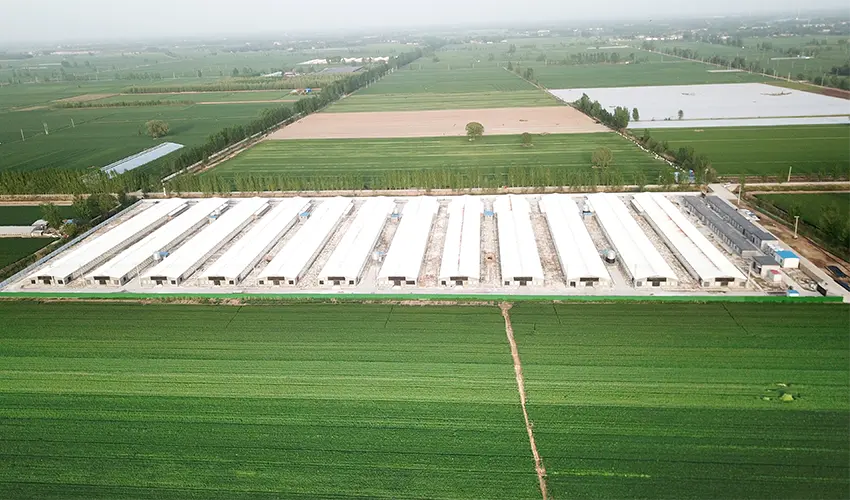
Poultry farming demands constant vigilance against disease and waste challenges that can undermine even well-run operations.
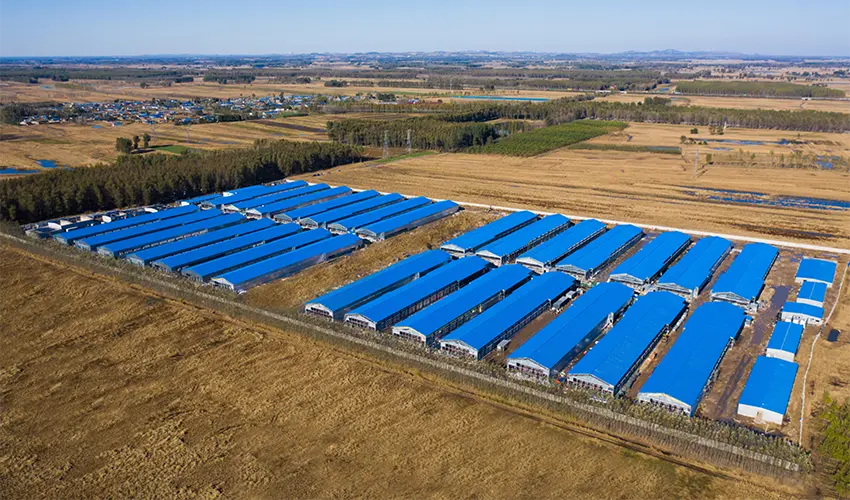
The poultry processing industry sits at an inflection point. Walk through any modern facility today and you’ll notice the tension between legacy systems and emerging demands—tighter welfare regulations, rising labor costs, and consumers who increasingly want to know exactly how their food was handled.
bjhn@agrifamgroup.com