EN
Working with livestock across Africa means confronting a familiar tension: the land holds enormous potential, but the systems around it often lag behind. Farmers in Zimbabwe, Nigeria, and neighboring regions know this firsthand. Outdated infrastructure, unpredictable climate patterns, and fragmented supply chains make it difficult to turn good land and healthy animals into consistent income. Agrifam Co., Ltd. builds integrated solutions for livestock farming in Africa that address these gaps directly, covering everything from initial farm development through processing and market access.
Livestock farming in Africa operates under constraints that compound over time. Operational inefficiencies drain resources before they reach productive use. Market access remains limited for many producers, leaving them dependent on local buyers who set unfavorable terms. Environmental pressures, particularly drought cycles and land degradation, add another layer of uncertainty.
In Zimbabwe and Nigeria, these patterns repeat with local variations. Many farmers rely on practices passed down through generations, which served well under different conditions but now limit output. Infrastructure gaps mean th
at even productive farms struggle to move goods efficiently. Climate change has made drought-resistant livestock breeds more valuable, yet access to improved genetics remains uneven. Modern farm management techniques exist but reach only a fraction of producers who could benefit.
| Challenge | Impact on Farmers | Agrifam’s Approach |
|---|---|---|
| Operational inefficiency | Wasted resources, lower yields | Precision feeding systems, automated climate control |
| Limited market access | Unfavorable pricing, dependency on intermediaries | Direct buyer linkages, processing facilities |
| Environmental pressure | Livestock losses during dry seasons | Drought-resistant breeds, water recycling systems |
| Outdated practices | Reduced productivity | Training programs, technology transfer |
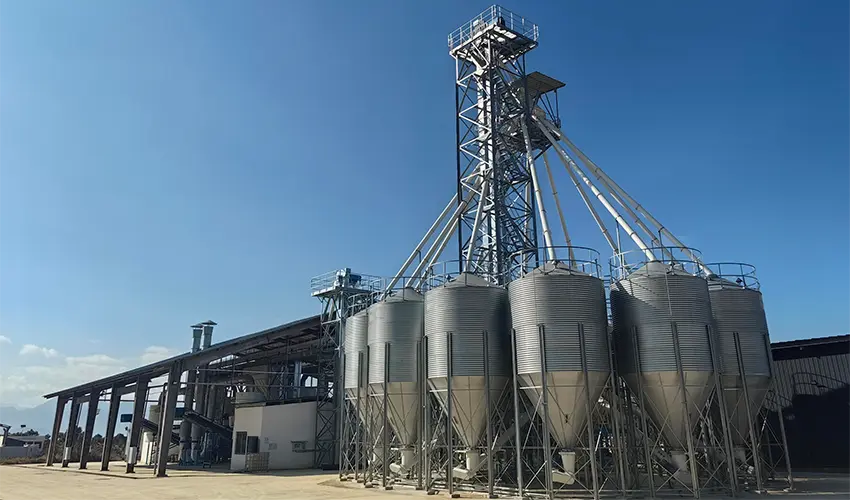
Agrifam delivers farm-to-table integrated solutions designed to make each stage of livestock production more efficient. The approach starts with understanding that technology alone solves nothing if it doesn’t fit local conditions.
Precise feeding stations represent one practical example. Recommended for dairy cow, beef cattle, and sheep ranches, these systems deliver tailored nutrition based on animal needs rather than guesswork. Animals receive what they need when they need it, which improves growth rates and reduces feed waste. The difference shows up in healthier herds and lower input costs.
Digital agriculture platforms provide real-time data on herd performance, environmental conditions, and resource consumption. This information enables proactive management rather than reactive problem-solving. When a farmer can see that water consumption patterns have shifted or that certain animals are underperforming, intervention happens before small problems become expensive ones.
Automated climate control systems address another persistent challenge. Livestock productivity drops when animals experience heat stress or poor ventilation. Mechanization in Africa has traditionally focused on crop production, but the same principles apply to animal husbandry. Automated systems maintain optimal conditions with less labor input, freeing workers for tasks that require human judgment.
Sustainable practices in livestock farming often get framed as trade-offs between environmental responsibility and profitability. The reality is more nuanced. Many sustainable approaches reduce costs while improving outcomes.
Waste management farms systems convert animal manure into biogas and organic fertilizers. This transformation addresses pollution concerns while creating valuable resources. Biogas can power farm operations, reducing energy costs. Organic fertilizers improve soil health on adjacent cropland or generate additional revenue when sold.
Biosecurity protocols livestock operations need have become more sophisticated. Disease outbreaks devastate herds and require expensive interventions. Prevention costs less than treatment, and rigorous biosecurity reduces antibiotic use, which matters both for animal health and market access. Buyers increasingly prefer products from operations that demonstrate responsible antibiotic stewardship.
Energy-efficient farm operations integrate renewable energy sources where practical. Solar power works well in many African contexts, providing reliable electricity for pumping, lighting, and equipment operation. The initial investment pays back through reduced operating costs and independence from unreliable grid power.
Water recycling and closed-loop water management systems address a resource that limits expansion in many regions. Dairy and beef cattle ranches consume substantial water volumes. Recycling systems reduce freshwater demand while ensuring animals have consistent access to clean water.
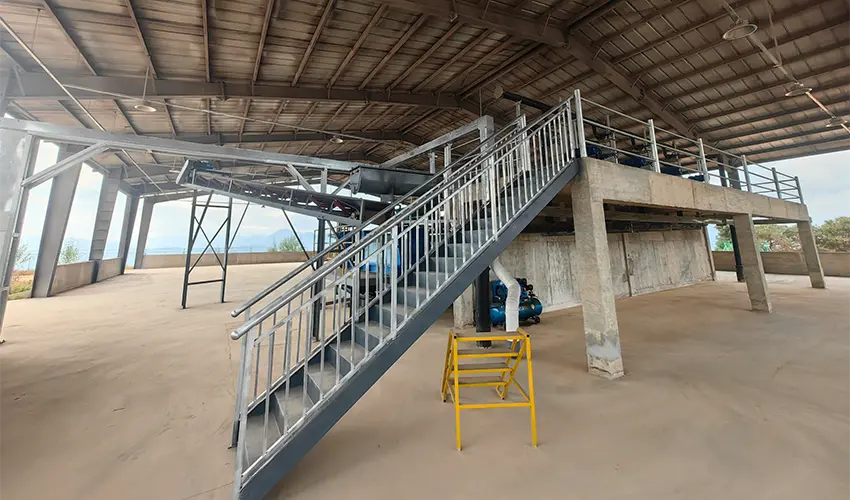
Successful agricultural development requires more than technology transfer. Agrifam provides a one-stop service model that includes financial assistance, expert consulting, farm design, civil engineering, manufacturing, installation, commissioning, and subsequent upgrading.
Capacity building for farmers equips producers with knowledge and skills to manage modern operations effectively. Training programs cover both technical skills and business management. A farmer who understands their cost structure and market options makes better decisions than one operating on intuition alone.
Agricultural policy reform guidance helps clients navigate regulatory environments that vary significantly across African nations. Compliance requirements, import regulations, and certification standards all affect profitability. Expert guidance reduces the risk of costly mistakes.
Risk management in farming covers everything from insurance options to diversification strategies. African agriculture faces weather variability, price fluctuations, and political uncertainty. Building resilience into farm operations means planning for multiple scenarios rather than assuming favorable conditions will continue.
| Service Category | Key Offerings | Benefits to Farmers |
|---|---|---|
| Financial Assistance | Project financing, equipment leasing | Lower upfront costs, preserved working capital |
| Expert Consulting | Farm design, operational optimization | Reduced trial-and-error, faster productivity gains |
| Technical Support | Installation, commissioning, upgrades | Reliable equipment performance, extended asset life |
| Training Programs | Management skills, technical knowledge | Better decision-making, improved operational control |
Livestock farming in Africa often suffers from a disconnect between production and markets. Farmers produce quality animals and products but struggle to reach buyers who will pay fair prices. Agrifam’s integrated approach extends beyond the farm gate to address this gap.
Modern processing facilities transform raw materials into higher-value goods. Products like vital wheat gluten and modified starch represent value addition that increases returns on agricultural inputs. Processing also extends shelf life, reducing the pressure to sell immediately after harvest or slaughter.
Improved logistics reduce post-harvest losses that erode profitability. Efficient handling and storage ensure more product reaches consumers in optimal condition. Cold chain infrastructure matters particularly for dairy and meat products, where quality degrades rapidly without proper temperature control.
Direct linkages between producers and buyers reduce reliance on intermediaries. While middlemen serve useful functions in some contexts, they also capture margins that could flow to producers. Building direct relationships with processors, retailers, and exporters improves price transparency and bargaining power.
Rural development agriculture benefits when processing and distribution create local employment. Jobs in these sectors provide income opportunities beyond farming itself, strengthening local economies and reducing pressure on land resources.
Agricultural sustainability Africa-wide depends on practices that maintain productivity without depleting the resources that make production possible. This means soil health, water availability, genetic diversity, and ecosystem services all require attention alongside immediate production goals.
Agrifam’s commitment to African agricultural development reflects recognition that the continent’s potential remains largely untapped. Zimbabwe, Nigeria, and neighboring nations possess land, labor, and growing domestic markets. What they often lack are the systems and support structures that translate these assets into consistent, profitable production.
Economic growth in agriculture creates multiplier effects throughout rural economies. Successful farmers purchase inputs, hire workers, and spend income locally. Processing facilities create additional employment. Export earnings bring foreign exchange that supports broader development.
The path forward requires patience and realistic expectations. Agricultural transformation happens over years, not months. But the trajectory matters. Operations that improve incrementally, adopting better practices and building stronger market relationships, compound those gains over time.
Livestock farming in Africa presents real opportunities for farmers willing to invest in modern approaches. Agrifam Co., Ltd. provides the integrated solutions, technical expertise, and ongoing support that make transformation possible.
Contact us at 010-8591 2286 or bjhn@agrifamgroup.com to discuss how our services can address your specific situation. Whether you’re developing a new operation or upgrading an existing one, our team can help identify the interventions that will deliver the strongest returns.
What specific technologies improve efficiency on African livestock farms?
Precision feeding stations, automated climate control systems, and digital monitoring platforms deliver measurable efficiency gains. Feeding stations reduce waste by matching nutrition to animal needs. Climate control maintains conditions that support productivity without constant human oversight. Digital platforms provide data that enables proactive management. The combination typically reduces input costs while improving output quality, though results vary based on existing practices and local conditions.
How do sustainable practices affect profitability in livestock farming?
Sustainable practices often improve profitability rather than reducing it. Waste-to-biogas systems cut energy costs while addressing pollution. Water recycling reduces freshwater expenses in regions where water is scarce or expensive. Biosecurity protocols prevent disease outbreaks that cause major financial losses. The initial investment in sustainable infrastructure typically pays back within a few years through reduced operating costs and improved market access for products meeting sustainability standards.
What makes an integrated farm-to-table approach different from traditional livestock farming?
Traditional approaches often optimize individual stages without considering how they connect. A farmer might produce excellent animals but lose value through poor handling, limited processing options, or weak market relationships. Integrated solutions address the entire chain, ensuring that improvements at one stage translate into better outcomes overall. This approach captures value that otherwise leaks out at transition points and creates feedback loops that drive continuous improvement.






bjhn@agrifamgroup.com