EN
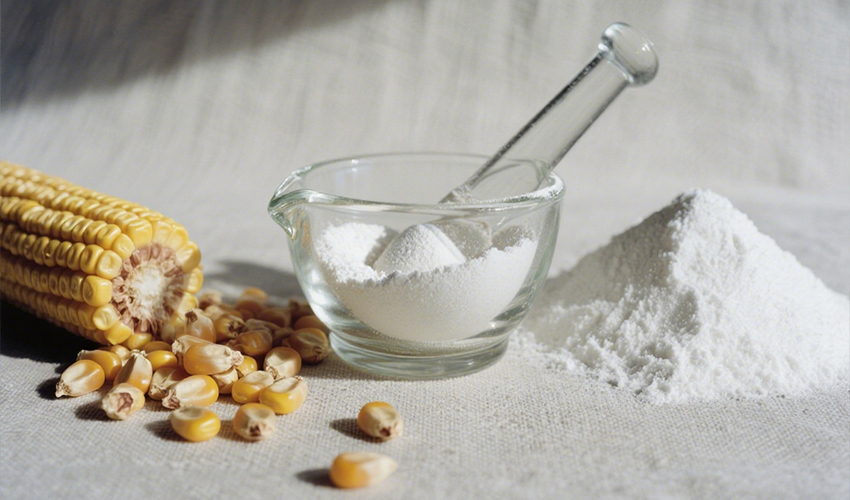
AGRIFAM has years of deep expertise in the modified starch sector, and is equipped with mature R&D systems and production lines to deliver customized solutions for factories. Leveraging diversified processes including physical modification (e.g., extrusion, cooking), chemical modification (e.g., etherification, esterification), and biological enzymatic hydrolysis, we precisely satisfy the diverse application needs in industries such as papermaking, food, and textiles. The entire process is monitored by dedicated personnel from raw material selection to formulation adjustment, ensuring seamless support.
AGRIFAM strictly enforces full-process production management and control, guaranteeing process stability through automated equipment. We provide technical support and post-sales tracking to assist factories in optimizing usage plans, enhancing product quality while reducing overall costs, and ensuring efficient production line operation.
Raw materials are transported by forklifts to the receiving hopper, which is equipped with a vibrating feeder at the bottom. This device performs preliminary desanding from the cassava raw materials and conveys them to an inspection conveyor belt. With an inclined belt inspection conveyor, workers manually pick out and remove cassava roots with woody parts. After inspection, the raw materials are conveyed via a belt conveyor to a dry shaker.The dry-cleaned raw materials then enter a set of three-stage, series-connected paddle-type cleaning machines for thorough cleaning. In the primary cleaning machine, it is optional to add a portion of process wastewater to reduce water consumption. The materials are progressively transferred through water troughs in different zones to cleaner troughs at each stage. Clean washing water is added to subsequent cleaning machines, ensuring thorough cleaning through a countercurrent washing method.
The rasping unit is the most critical factor affecting cassava starch extraction efficiency. A high-efficiency rasping machine can thoroughly release starch granules from cassava cells, minimizing bound starch content in the residue.
This unit is designed to remove fine sand particles from the cassava slurry, ensuring normal operation of the centrifugal screen. The rasped cassava slurry is pumped into a desanding hydrocyclone.
Centrifugal extraction is another critical unit affecting cassava starch extraction efficiency, comprising three-stage centrifugal screen. High-quality centrifugal screen and process can fully extract free starch released after cassava cell disruption.
Fibers from the extraction unit are dewatered in this unit, and the dewatered fibers are transported away by screw conveyors. The screen underflow is used as makeup water for the process.
The concentration and refining unit is designed to remove fine fibers and proteins from the starch milk, playing a crucial role in the entire production line and directly affecting the quality of the final product. It consists of three parts: concentration, recovery, and washing hydrocyclone station.
The starch milk from the hydrocyclone station has too high a moisture content to be sent directly for drying. Therefore, it must first be dewatered to reduce its moisture level, making it suitable for processing in the flash dryer.
Wet starch cakes are dried in an airflow dryer until the level of commercial starch. The wet starch cakes are fed into the airflow dryer via a screw conveyor with a hopper. The starch is carried by hot air in the dryer along the air duct into a cyclone. The dried starch is separated from the air in the cyclone, and the moist air is discharged through an induced draft fan after leaving the separator. The dried starch, separated at the bottom of the cyclone, passes through an airlock into a finished product conveyor screw and is then transported to a starch homogenization silo. Subsequently, the starch is fed by a lever feeder beneath the homogenization silo into a bucket elevator, which transports it to a bidirectional conveyor screw. If the starch moisture content fails to meet the criterion, the starch returns to the homogenization silo via the bidirectional conveyor screw. When the moisture content is satisfactory, the starch is transferred to a double-chamber oscillating flat sieve through the bidirectional conveyor screw. The oscillating sieve grades the dried starch, removing gelatinized and coarse particles from the refined starch. The graded starch is then temporarily stored in a stainless steel starch silo.
bjhn@agrifamgroup.com