EN

AGRIFAM provides turnkey maltodextrin smart-factory solutions based on advanced enzymatic processing, intelligent DCS control, and full-process engineering integration—covering process design, equipment integration, automation, commissioning, and operation.
Using starch, the line produces maltodextrin through liquefaction, filtration, decolorization, ion exchange, evaporation, and drying, with DE adjustable from 10 to 25. The whole line enables automatic process control and one-click start/stop. AGRIFAM helps customers convert starch into a stable maltodextrin supply for beverages, frozen foods, confectionery, cereals, dairy, health products, textiles, daily chemicals, pharmaceuticals, and more—forming a scalable manufacturing platform with controllable DE, stable batches, consistent quality, regulatory compliance, and cost efficiency.
AGRIFAM aims to be a trusted turnkey partner for maltodextrin smart factories.
 Complete Product Line
Fructose-glucose syrups cover two major categories of mainstream starch sugars: liquid starch sugars and solid starch sugars, providing a "one-stop" service.
Wide Raw Material Adaptability
The core process is based on starch hydrolysis and conversion, enabling flexible use of various starch raw materials such as corn, cassava, wheat, and potatoes, ensuring a stable supply chain.
Technological Strength Support
Possesses mature core process technologies, ensuring stable product quality and precise control over specifications.
Professional Team
We have a professional application technology team capable of providing customers with product selection advice, formulation optimization support, and problem-solving solutions.
Mix starch with water to prepare starch milk at a suitable concentration, and adjust the pH to the appropriate range for enzyme action. A small amount of calcium chloride may be added to improve the thermostability of the subsequently added α-amylase. The crystalline structure of starch granules is relatively resistant to enzymes, so slurry preparation also prepares the starch for subsequent gelatinization and liquefaction.
This is a key step in maltodextrin production. Thermostable α-amylase is added to hydrolyze long-chain starch into short-chain dextrins and oligosaccharides at high temperature, rapidly reducing viscosity. Because the target degree of hydrolysis is very low, improper liquefaction control can directly lead to excessively high viscosity, difficult filtration, and reduced yield. In industry, strategies such as two-stage liquefaction or staged temperature rising are often adopted to precisely control the endpoint: first carry out preliminary liquefaction, then inactivate the enzyme and coagulate impurities through high-temperature treatment, and subsequently continue appropriate hydrolysis as needed to reach the target DE value. Modern processes preferably use jet liquefaction, in which the feed liquid and steam are instantly mixed and heated, so that gelatinization and liquefaction proceed simultaneously, making liquefaction more uniform and thorough.
After liquefaction reaches the target DE value, the α-amylase must be immediately inactivated by high temperature to terminate the hydrolysis reaction and "lock" the product within the preset DE value range. Enzyme inactivation also helps coagulate proteinaceous impurities and improves subsequent filtration performance.
The liquefied liquid contains insoluble impurities such as coagulated proteins, fibers, and lipids. These impurities are removed by plate-and-frame filter pressing to obtain a clear filtrate, reducing the load on subsequent decolorization and ion exchange.
Activated carbon is used to adsorb pigments and some off-flavor substances in the filtrate.
Cation-anion exchange resins are used to remove inorganic salts, residual ions, and some charged colored substances from the sugar liquid, further improving the product's purity, clarity, and ash content indicators.
The purified dilute sugar liquid is evaporated and concentrated under vacuum to increase its concentration and reduce the energy consumption of subsequent drying. It can be concentrated to a certain dry solids content, depending on the drying method and the required feed concentration.
The concentrated liquid is converted into a powdered finished product. The mainstream method is spray drying, which yields white to light-yellow powdered maltodextrin.
Maltodextrin has relatively low hygroscopicity, but it still needs to be sealed and packaged under dry conditions, usually using double-layer food-grade plastic bags or packaging materials with a moisture-barrier layer, to prevent the finished product from absorbing moisture and caking.
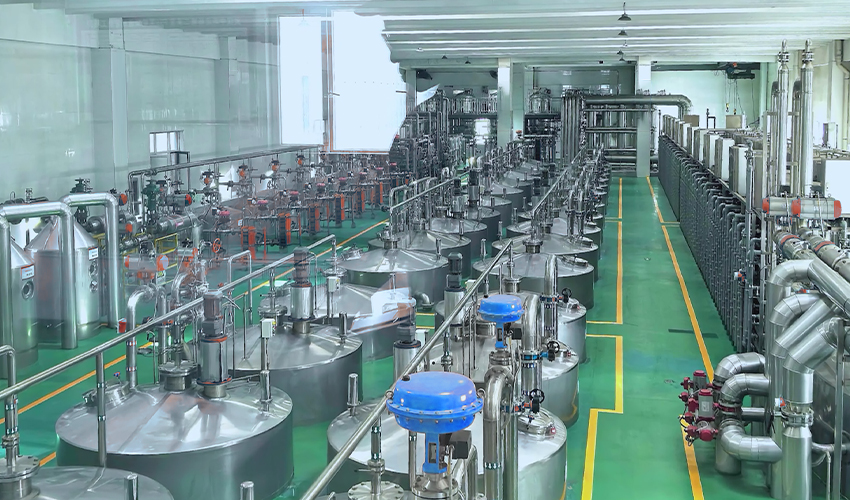
China/Hubeiㅤㅤㅤㅤㅤㅤㅤㅤㅤㅤㅤㅤㅤㅤㅤㅤㅤㅤㅤㅤ
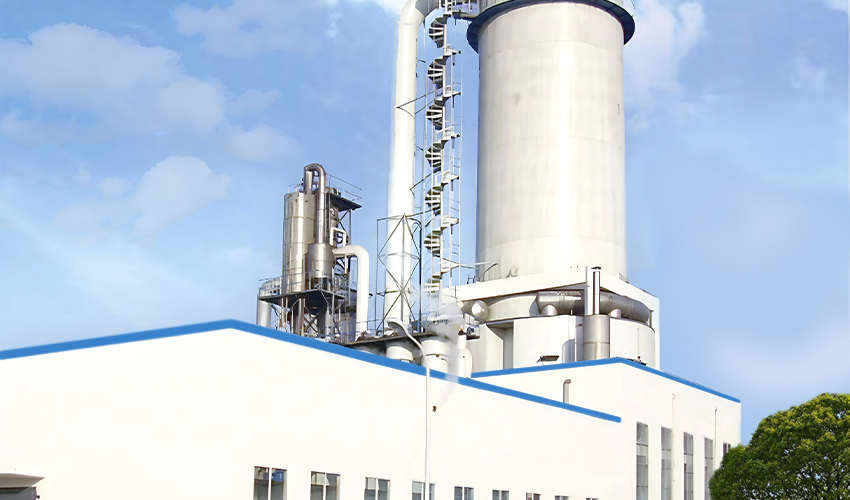
China/Shandongㅤㅤㅤㅤㅤㅤㅤㅤㅤㅤㅤㅤㅤㅤㅤㅤㅤㅤㅤㅤㅤㅤㅤㅤ
bjhn@agrifamgroup.com