EN
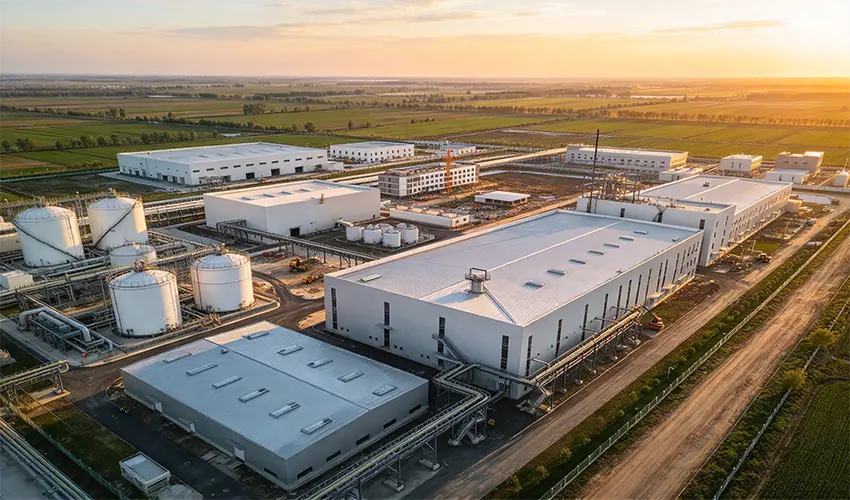
AGRIFAM provides turnkey crystalline fructose smart-factory solutions based on advanced crystalline fructose engineering, dual-enzyme processing, and intelligent DCS control—covering process design, equipment integration, automation, commissioning, and operation.
Using starch, the line produces crystalline fructose through liquefaction, saccharification, refining, isomerization, chromatographic separation, crystallization, and drying, with automatic parameter control and one-click start/stop. AGRIFAM helps customers convert starch into a stable supply of high-quality crystalline fructose for beverages, dairy, bakery, frozen foods, health drinks, and low-energy foods—leveraging its high sweetness, “cool sweetness,” lower freezing point, crystallization inhibition, improved mouthfeel and efficiency, and low-calorie/low-GI benefits. The result is a scalable manufacturing platform with stable supply, consistent quality, regulatory compliance, and cost efficiency. AGRIFAM aims to be a trusted turnkey partner for crystalline fructose smart factories.
 Complete Product Line
Fructose-glucose syrups cover two major categories of mainstream starch sugars: liquid starch sugars and solid starch sugars, providing a "one-stop" service.
Wide Raw Material Adaptability
The core process is based on starch hydrolysis and conversion, enabling flexible use of various starch raw materials such as corn, cassava, wheat, and potatoes, ensuring a stable supply chain.
Technological Strength Support
Possesses mature core process technologies, ensuring stable product quality and precise control over specifications.
Professional Team
We have a professional application technology team capable of providing customers with product selection advice, formulation optimization support, and problem-solving solutions.
Prepare starch into starch milk at a suitable concentration, add thermostable α-amylase, and at high temperature gelatinize the starch and rapidly degrade it into short-chain dextrins. The DE value of the liquefied liquid is usually controlled within an appropriate range to provide sufficient action sites for glucoamylase.
After cooling and pH adjustment, add glucoamylase to further thoroughly hydrolyze the dextrins into glucose. The saccharification endpoint requires sufficiently high glucose purity to meet the substrate cleanliness requirements for subsequent isomerization.
The saccharified liquid is subjected to filtration, activated carbon decolorization, and ion exchange to remove insoluble residues, pigments, inorganic salts, and organic impurities, yielding a colorless, low-conductivity clean glucose liquid that provides a stable reaction environment for the isomerization enzyme.
The clean glucose liquid enters an immobilized glucose isomerase column, where part of the glucose is converted into fructose. Due to equilibrium limitations, the fructose content of the syrup leaving the column generally reaches about 42%, i.e., F42 high-fructose corn syrup (HFCS).
The isomerized F42 syrup is again subjected to decolorization, ion exchange, and concentration to remove impurities introduced during the reaction and to adjust it to a concentration and cleanliness suitable for chromatographic separation.
This is the key step that distinguishes crystalline fructose from ordinary HFCS. By exploiting the difference in resin adsorption affinity between fructose and glucose, the F42 syrup is separated in a simulated moving bed (SMB) into a high-purity fructose liquid, with a glucose-rich liquid produced as a by-product (which can be recycled to the isomerization step for reuse).
The high-purity fructose liquid obtained from SMB separation still needs further treatment such as ion exchange and nanofiltration to remove trace impurities, and is then evaporated and concentrated to the supersaturated concentration required for crystallization. In industry, concentration is often carried out first, and the heating time is minimized as much as possible to prevent fructose from decomposing or undergoing side reactions at high temperature.
The concentrated material is fed into a crystallizer and subjected to cooling crystallization to obtain a fructose crystal massecuite.
After crystallization is completed, a centrifuge separates the fructose crystals from the mother liquor, and the crystal surfaces are washed with a small amount of pure water to remove adhering mother liquor impurities, yielding wet fructose crystals.
The wet crystals are conveyed to a dryer, where the material is dried under hot air and cold air, respectively, to obtain fructose crystals.
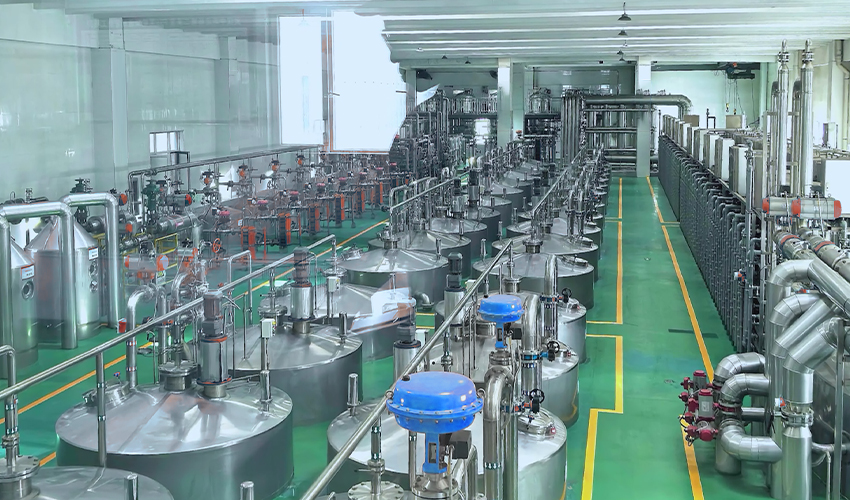
China/Hubeiㅤㅤㅤㅤㅤㅤㅤㅤㅤㅤㅤㅤㅤㅤㅤㅤㅤㅤㅤㅤ
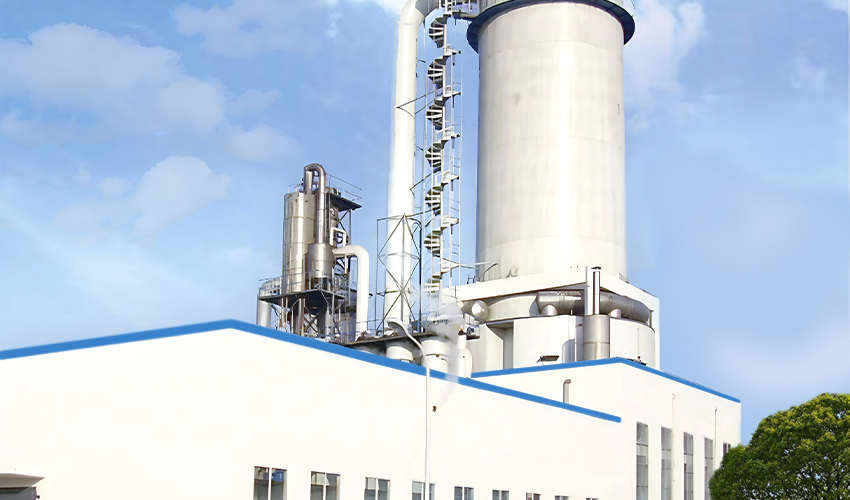
China/Shandongㅤㅤㅤㅤㅤㅤㅤㅤㅤㅤㅤㅤㅤㅤㅤㅤㅤㅤㅤㅤㅤㅤㅤㅤ
bjhn@agrifamgroup.com