EN
Poultry farming demands constant vigilance against disease and waste challenges that can undermine even well-run operations. The margin between a thriving flock and a devastating outbreak often comes down to how consistently farms execute their biosecurity protocols and manage manure streams. These aren’t separate concerns but interconnected systems where lapses in one area quickly compound problems elsewhere. Agrifam Co., Ltd. approaches these challenges through integrated solutions that address the full production cycle, recognizing that sustainable poultry operations require attention to both biological threats and environmental responsibilities.
Strong biosecurity frameworks form the backbone of disease control in poultry operations. These systems work by creating multiple barriers that pathogens must overcome before reaching a flock, dramatically reducing the odds of successful transmission. The practical elements include controlling who and what enters farm premises, maintaining rigorous sanitation schedules, and keeping pest populations suppressed.
Access control means more than locked gates. Every vehicle, piece of equipment, and person entering production areas represents a potential pathway for disease introduction. Sanitation protocols must account for the organic material that accumulates in poultry environments, since pathogens survive longer in contaminated bedding and feed residues. Pest management targets rodents and insects that serve as mechanical vectors, carrying pathogens between facilities or from wild bird populations into enclosed houses.
Personnel training often determines whether these protocols succeed or fail. Written procedures accomplish little when workers don’t understand the reasoning behind each step or lack the time and resources to execute them properly.
Biosecurity protocols prevent outbreaks by systematically disrupting how pathogens move from infected sources to susceptible birds. Disease agents require specific routes to reach new hosts, whether through direct contact, contaminated materials, airborne particles, or intermediate carriers like insects and rodents.
Quarantine procedures for incoming birds illustrate this principle clearly. New stock may carry infections without showing obvious symptoms, particularly during incubation periods. Isolating these birds for observation before mixing them with established flocks gives time for any latent infections to manifest while preventing silent spread through the population.
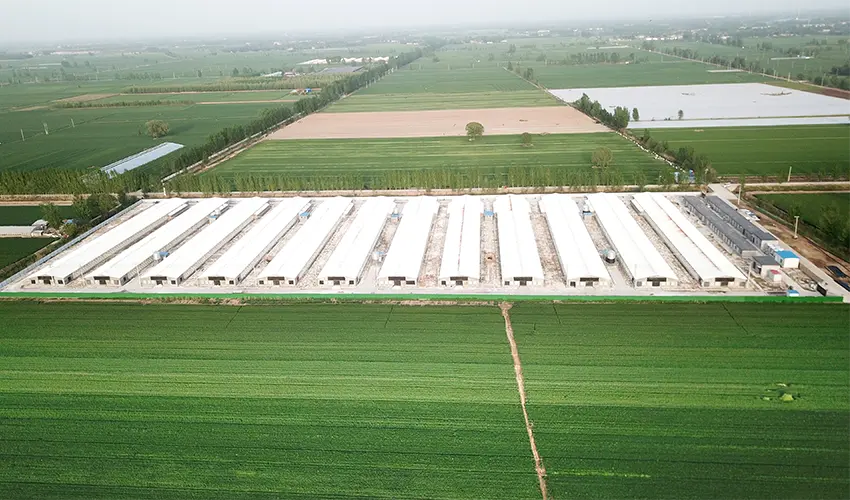
Foundational biosecurity measures establish the baseline, but comprehensive poultry disease control requires additional protective layers. Vaccination programs build flock immunity against specific threats, particularly concerning diseases like avian influenza and salmonella that pose both production and food safety risks. The timing and selection of vaccines depends on regional disease pressure, flock age, and production type.
Regular health monitoring catches problems before they escalate. This includes scheduled veterinary examinations, diagnostic testing of sentinel birds, and tracking production metrics that often signal health issues before clinical signs appear. A sudden drop in egg production or feed consumption frequently indicates disease stress before birds show obvious illness.
Integrated pest management addresses the biological vectors that bypass physical barriers. Rodents and insects move freely between outdoor environments and production facilities, potentially introducing pathogens from wild bird populations or neighboring operations. Effective control combines habitat modification, exclusion methods, and targeted treatments rather than relying solely on chemical interventions.
Agrifam Co., Ltd. works with research institutions on disease prevention vaccines and provides comprehensive service packages for both broiler and egg layer operations.
| Disease | Key Prevention Methods | Impact on Flock Health |
|---|---|---|
| Avian Influenza | Vaccination, strict biosecurity, rapid culling | High mortality, economic loss |
| Salmonella | Feed treatment, hygiene, breeder vaccination, pest control | Food safety risk, reduced productivity |
| Newcastle Disease | Vaccination, biosecurity | Respiratory/nervous signs, high mortality |
| Marek’s Disease | Vaccination (in ovo or at hatch), genetic resistance | Tumors, paralysis |
Manure management represents both an environmental obligation and an economic opportunity for poultry operations. The volume of waste generated by commercial flocks creates genuine disposal challenges, but the nutrient content of poultry litter also makes it valuable when processed appropriately.
Agrifam Co., Ltd. develops waste management systems that align with energy conservation and environmental protection requirements. Converting manure into organic fertilizer transforms a disposal problem into a marketable product while reducing the environmental footprint of poultry production. This resource recovery approach reflects broader shifts toward circular economy models in agriculture.
Several proven technologies address poultry manure sustainably, each with distinct advantages depending on farm scale and local conditions.
Composting converts raw litter into stabilized organic fertilizer through controlled aerobic decomposition. The process generates heat that destroys pathogens and weed seeds while producing a product with improved handling characteristics and more consistent nutrient release patterns. Properly composted poultry litter commands premium prices in horticultural markets.
Anaerobic digestion processes manure in oxygen-free environments, producing biogas that can generate electricity or heat while leaving a nutrient-rich digestate. This approach particularly suits larger operations where energy costs justify the capital investment in digestion infrastructure.
Nutrient recovery systems extract specific elements from manure streams, concentrating valuable compounds like phosphorus and nitrogen into forms suitable for precision fertilizer applications. These technologies minimize nutrient runoff risks while maximizing the agricultural value of waste products.
Comprehensive biosecurity extends beyond facility design to encompass every input that contacts the flock. Water quality directly affects bird health, since contaminated water sources can introduce pathogens or toxins that compromise immune function and productivity. Regular testing and appropriate treatment systems ensure water supplies remain safe.
Feed biosecurity addresses the risk of pathogen introduction through contaminated ingredients or storage conditions. Proper storage facilities protect against moisture, pests, and cross-contamination. Sourcing from reputable suppliers with documented quality control programs reduces the likelihood of receiving contaminated materials.
Personnel hygiene protocols recognize that farm workers represent potential disease vectors. Changing clothes and footwear before entering production areas, following designated traffic patterns, and maintaining strict visitor controls all reduce human-mediated transmission risks. These measures require consistent enforcement to remain effective.
If you are looking for solutions to enhance your farm’s safety, health, efficiency, and environmental sustainability, consider exploring Driving Global Food Conservation Through Technological Innovation.
Regulatory compliance shapes how poultry farms must approach waste disposal, food safety, and animal welfare. These requirements continue evolving as scientific understanding advances and public expectations shift. Operations that merely meet minimum standards risk finding themselves scrambling when regulations tighten.
Regular biosecurity audits identify gaps before they become compliance violations or disease incidents. External review often catches issues that become invisible to personnel who work in facilities daily. Documentation of protocols and their execution provides evidence of due diligence should problems arise.
Agrifam Co., Ltd. provides solutions designed to meet current regulatory requirements while anticipating likely future developments. This forward-looking approach helps farms avoid costly retrofits and operational disruptions as standards evolve.
Agrifam Co., Ltd. offers comprehensive support for poultry operations seeking to strengthen biosecurity and improve manure management. Our services span financial planning, facility design, equipment installation, and ongoing system upgrades. This integrated approach addresses the interconnected nature of modern poultry production challenges.
Contact our team to discuss how these capabilities might apply to your specific operation and goals.
Phone: 010-8591 2286 | Email: bjhn@agrifamgroup.com
Disease outbreaks devastate farm economics through direct mortality, reduced growth rates, increased medication costs, and potential market access restrictions. A single avian influenza incident can require complete flock depopulation and extended downtime before restocking. Biosecurity investments typically return multiples of their cost by preventing these catastrophic losses. The calculations become even more favorable when considering that healthy flocks convert feed more efficiently and reach market weight faster than stressed populations fighting subclinical infections.
Effective programs layer multiple protective measures that reinforce each other. Access control limits who and what enters production areas. Cleaning and disinfection protocols eliminate pathogens from surfaces and equipment. Quarantine procedures isolate new birds until their health status is confirmed. Pest control programs suppress rodent and insect populations that serve as disease vectors. Feed and water management ensures these critical inputs don’t introduce contamination. Each component addresses specific transmission pathways, and gaps in any area can undermine the entire system.
Compliance starts with understanding applicable local and national requirements for nutrient management, storage, and application. Farms need adequate storage capacity to hold manure until conditions permit proper utilization or disposal. Treatment systems like composting or anaerobic digestion can reduce pathogen loads and stabilize nutrients before land application. Monitoring programs track nutrient levels in soil and water to demonstrate that practices aren’t causing environmental harm. Documentation of all handling and application activities provides evidence of compliance during regulatory inspections.







bjhn@agrifamgroup.com