EN
The poultry processing industry sits at an inflection point. Walk through any modern facility today and you’ll notice the tension between legacy systems and emerging demands—tighter welfare regulations, rising labor costs, and consumers who increasingly want to know exactly how their food was handled. Agrifam Co., Ltd. has positioned itself squarely in this space, building out intelligent stunning and evisceration technologies that address these pressures head-on. What follows examines how these systems actually perform and where they fit in the broader push toward sustainable poultry production.
The shift toward advanced poultry processing automation isn’t happening in a vacuum. Global markets are pushing simultaneously for safer products, healthier operations, and lower environmental footprints. Energy costs keep climbing. Labor availability fluctuates. And regulatory bodies across regions continue tightening standards around animal welfare and food safety poultry processing requirements.
This creates real operational pressure. Facilities that once relied on manual processes and basic mechanization find themselves needing integrated supply chain management capabilities they never planned for. The math is straightforward: smart farming solutions that connect data across the production chain enable operational cost reduction that manual oversight simply cannot match. Agrifam’s approach—building comprehensive from-farm-to-table integrated solutions—reflects this reality. The company focuses on enhancing the entire agriculture and animal husbandry industry chain through intelligent systems that talk to each other.
Animal welfare in poultry processing isn’t just about ethics, though that matters. Stress at the point of stunning directly affects meat quality—pH levels, color, texture, water-holding capacity. Birds that experience prolonged stress before slaughter produce inferior products. This is measurable, documented, and increasingly factored into buyer specifications.
Controlled atmosphere stunning and advanced electrical stunning systems represent the current state of the art in intelligent stunning methods. Controlled atmosphere stunning works by gradually replacing oxygen with carbon dioxide or inert gases, rendering birds unconscious before they experience distress. The process is slower than traditional methods, but the consistency is remarkable. Advanced electrical stunning systems, when properly calibrated, deliver precise current that achieves immediate unconsciousness across varying bird sizes.
| Stunning Method | Advantages | Disadvantages |
|---|---|---|
| Controlled Atmosphere | Improved animal welfare, better meat quality | Higher initial investment, slower processing rate |
| Advanced Electrical | Consistent stun, adaptable to various bird sizes | Potential for inconsistent stun if not calibrated |
| Traditional Water Bath | Simple, widely used | Animal welfare concerns, inconsistent stun |
The regulatory compliance poultry landscape keeps shifting. What passed inspection five years ago may not meet current standards in key export markets. Poultry equipment innovation in stunning technology isn’t optional for facilities serving international buyers—it’s table stakes. These systems also enhance quality control systems and address worker safety poultry plants concerns by reducing the physical handling required during this critical stage.
If you’re interested, check 《Driving Global Food Conservation Through Technological Innovation》.
Advanced evisceration technology addresses one of the most persistent challenges in poultry processing: maintaining hygiene standards slaughterhouse operations require while maximizing throughput. Every point of human contact introduces contamination risk. Automated systems reduce these touchpoints dramatically.
Modern evisceration lines use robotics and precision cutting tools that adapt to bird-by-bird variation. This isn’t about replacing workers entirely—it’s about deploying human oversight where it adds value while letting machines handle repetitive, high-precision tasks. The yield optimization poultry facilities achieve with these systems comes from consistency. A well-calibrated automated system makes the same cut thousands of times without fatigue-induced variation.
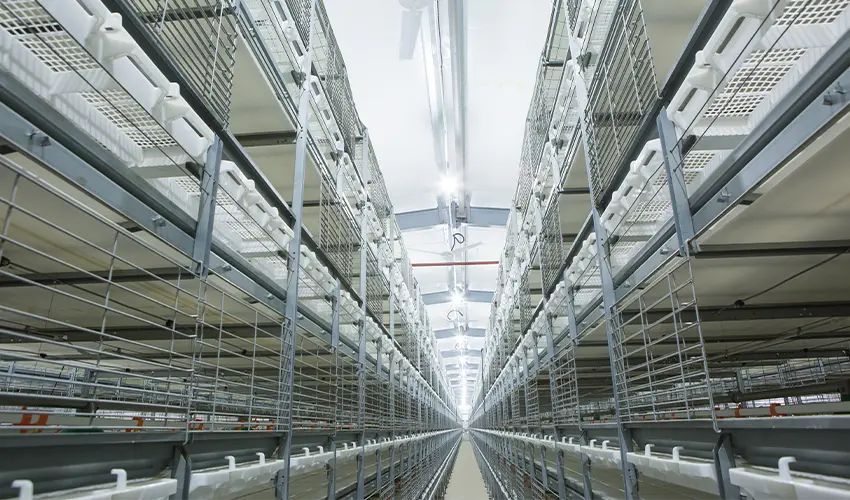
Customizable processing lines matter here because no two facilities have identical needs. Bird sizes vary by breed and market. Throughput requirements differ. Available floor space constrains layout options. Agrifam’s focus on integrated solutions means these systems can be configured to match specific production parameters rather than forcing facilities to adapt their operations to equipment limitations.
The case for slaughterhouse efficiency improvements through intelligent systems rests on compounding benefits. Initial gains come from faster processing and reduced labor requirements. But the longer-term value emerges from data-driven processing capabilities that enable continuous optimization.
When systems track performance metrics across every stage of production, patterns become visible. Equipment degradation shows up in subtle performance changes before failures occur. Yield variations point to upstream issues. Energy consumption spikes highlight inefficiencies. This visibility supports environmental impact reduction goals while simultaneously improving margins.
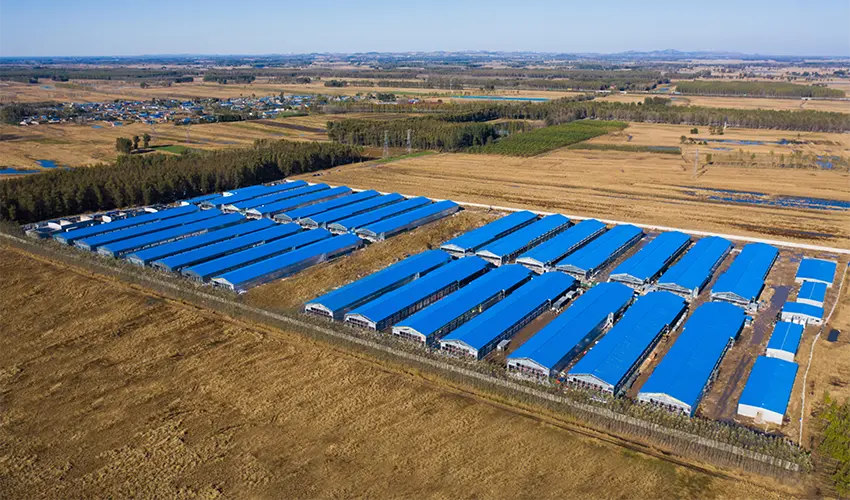
Agrifam’s emphasis on energy conservation and environmental protection aligns with broader industry direction. Sustainable poultry production isn’t a marketing slogan—it’s increasingly a procurement requirement for major buyers. Facilities that can document their resource efficiency gain competitive advantage in markets where sustainability credentials influence purchasing decisions. The from farm to table solutions approach ensures these benefits extend across the entire production chain rather than optimizing isolated segments.
The one-stop service model Agrifam offers addresses a real pain point in facility development and modernization. Projects that require coordinating multiple vendors for financial support, consulting and design services, civil engineering, manufacturing, installation, and commissioning create integration headaches. When systems from different suppliers don’t communicate properly, the promised efficiency gains evaporate.
Agrifam’s integrated supply chain management approach keeps accountability unified. The same organization that designs the system manufactures the equipment, installs it, and provides subsequent upgrading services. This continuity matters particularly for customizable processing lines where modifications during installation are common. Problems get solved rather than bounced between vendors.
Several trends are reshaping what’s possible in poultry processing. AI in processing applications are moving beyond simple automation toward genuine decision-making capabilities. Systems that can identify quality issues in real-time and adjust processing parameters without human intervention represent the next frontier.
Advanced robotics continue improving in dexterity and adaptability. Tasks that required human hands five years ago are increasingly automatable. Traceability in poultry systems has evolved from batch-level tracking to individual bird identification in some applications, enabling unprecedented quality control and recall precision.
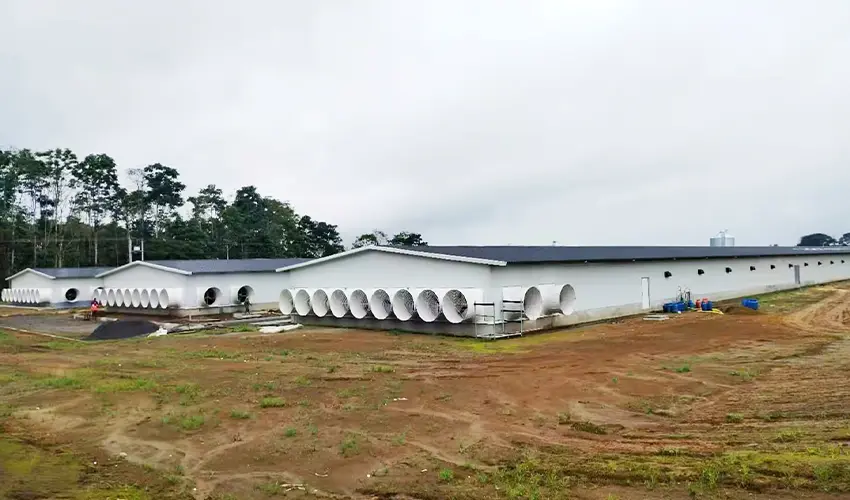
Agrifam’s investment in data-driven processing and smart farming solutions positions the company to incorporate these future poultry technology developments as they mature. The infrastructure for intelligence—sensors, connectivity, data management—provides the foundation for capabilities that don’t yet exist but will emerge as AI and robotics advance.
As the agricultural and animal husbandry industry evolves, Agrifam Co., Ltd. offers intelligent, sustainable, and efficient poultry slaughter and processing solutions. From initial consultation and design to advanced manufacturing, installation, and ongoing support, the company provides comprehensive from-farm-to-table integrated service. Contact Agrifam to discuss how tailored solutions can enhance your poultry processing capabilities and customer experience. Reach the team at 010-8591 2286 or bjhn@agrifamgroup.com.
Intelligent stunning systems deliver more consistent results than traditional methods, which directly improves meat quality through reduced pre-slaughter stress. The practical benefits extend beyond animal welfare: facilities see better regulatory compliance across international markets, improved worker safety from reduced manual handling, and more predictable product quality. The investment pays back through fewer rejected products and access to markets with strict welfare requirements.
Automated evisceration reduces contamination risk by minimizing the points where human hands contact product. Each automated step removes a potential source of cross-contamination. Beyond safety, these systems process birds with greater consistency than manual operations, which improves yield and reduces waste. Facilities typically see throughput increases alongside quality improvements—a combination that’s difficult to achieve through manual process optimization alone.
Agrifam structures its services around comprehensive project delivery. This covers financial support, consulting, design, civil engineering, manufacturing, installation, commissioning, and ongoing upgrades. The single-vendor approach simplifies project management and ensures system components integrate properly. For facilities building new capacity or modernizing existing operations, this model reduces coordination complexity and keeps accountability clear throughout the project lifecycle.






bjhn@agrifamgroup.com