EN
Running a livestock operation today means juggling animal health, production targets, and environmental pressures all at once. The complexity has grown beyond what traditional approaches can handle. Agrifam Co., Ltd. works with farms from the earliest planning stages through technology deployment, building systems that actually hold up under real-world conditions. The goal is straightforward: create operations that run smarter, adapt to change, and stay productive for years to come.
The physical environment where animals live shapes everything else on a farm. Get the housing wrong, and you’re fighting problems downstream—stressed animals, health issues, lower output. Integrated housing design tackles these challenges at the source.
Well-designed systems reduce animal stress and create conditions where livestock can thrive. Farms using optimized climate and space management typically see productivity gains of 15-20%. That’s not a minor improvement. It reflects healthier animals that convert feed more efficiently and reach market weight faster.
Biosecurity failures cost the livestock industry billions every year. A single disease outbreak can devastate an operation. Integrated design minimizes these risks through thoughtful facility layout, proper ventilation systems for farms, and materials that support thorough sanitation. Climate control in barns maintains stable conditions that reduce respiratory issues and heat stress.
Sustainable farm design principles guide every project. This means selecting construction methods and materials that balance upfront costs against long-term durability and operating expenses. Animal welfare standards aren’t just regulatory checkboxes—they’re built into the foundation of cost-effective farm construction from day one.
Creating a biosecure livestock facility starts with understanding how diseases actually spread. Biosecurity design principles require establishing distinct zones that separate clean and potentially contaminated areas. Traffic patterns for people, vehicles, and animals need careful mapping to prevent cross-contamination.
Material selection matters more than many realize. Surfaces must withstand repeated cleaning and disinfection without degrading. Porous materials harbor pathogens; smooth, sealed surfaces don’t. Entry and exit protocols need physical infrastructure to support them—changing rooms, boot baths, vehicle wash stations.
These disease prevention strategies protect both animal health and operational continuity. A facility designed with farm sanitation standards in mind recovers faster from health challenges and maintains consistent production.
Feed represents the largest operating cost on most livestock operations. Small improvements in feed efficiency compound into significant savings over time. Advanced feeding strategies address this directly.
Precision feeding reduces waste by 10-15% compared to conventional approaches. When animals receive exactly what they need—no more, no less—feed conversion ratios improve. Automated feeding systems take this further, delivering consistent, optimized nutrition around the clock. Farms using these systems report daily weight gains 5-7% higher than those relying on manual feeding.
The precision livestock farming benefits extend beyond feed savings. Feed formulation optimization matches rations to specific animal groups based on age, weight, and production stage. Nutrient recycling captures value from byproducts that would otherwise become waste. Water quality management ensures animals stay hydrated and healthy.
IoT in livestock operations enables continuous animal health monitoring. Sensors track feeding behavior, consumption patterns, and physical activity. Changes in these metrics often signal health problems before visible symptoms appear, allowing early intervention.
Consistent, tailored nutrition prevents the metabolic stress that comes from irregular feeding. Animals receiving steady, appropriate rations develop fewer diet-related health problems. Digestive issues, acidosis, and nutritional deficiencies all decrease when feeding precision improves.
Feed efficiency improvements show up in the numbers. Better conversion means the same amount of feed produces more meat, milk, or eggs. Growth rates stabilize and become more predictable, making production planning easier.
Continuous animal health monitoring through feeding systems catches problems early. A sudden drop in feed intake often indicates illness before other signs appear. This early warning allows treatment before conditions worsen, improving animal performance metrics and reducing veterinary costs. The combined effect lifts overall farm output while lowering per-unit production costs.
Environmental systems on livestock farms consume substantial energy. Heating, cooling, and ventilation run constantly. Waste handling requires ongoing attention and expense. Poorly designed systems drain resources and create compliance headaches.
Integrated environmental control cuts energy consumption by 20-30%. This happens through better insulation, smarter ventilation design, and equipment that matches actual needs rather than worst-case scenarios. The savings accumulate month after month.
Waste management solutions can transform a cost center into a revenue stream. Manure treatment technologies process animal waste into biogas for energy production or into fertilizer products with market value. What was once a disposal problem becomes an asset.
Energy efficiency in agriculture extends beyond the barn. Renewable energy farm solutions—solar panels, biogas generators, small wind installations—reduce dependence on grid power and insulate operations from energy price volatility. Odor control in animal farms addresses community relations and regulatory requirements simultaneously.
Environmental impact assessments identify potential issues before they become problems. Understanding the ecological footprint of an operation allows targeted improvements that satisfy regulators and neighbors alike.
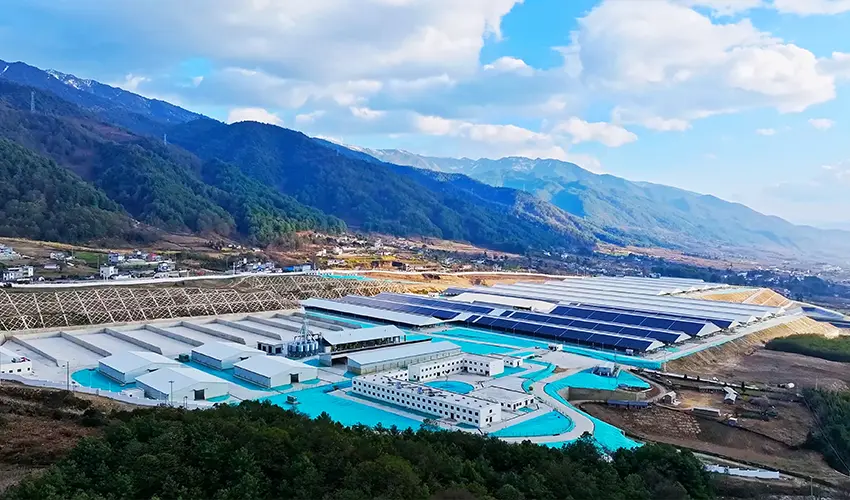
Smart farming technologies have moved beyond novelty into practical necessity. The data they generate enables decisions that weren’t possible before.
Farms implementing IoT in livestock operations see labor efficiency gains of 10-15%. Automated monitoring reduces the time staff spend walking facilities and checking equipment. Real-time alerts direct attention where it’s actually needed rather than following fixed inspection routes.
Predictive analytics in smart farms identify equipment problems before failures occur. Sensors tracking motor vibration, temperature, and power consumption spot deterioration patterns. Addressing these issues during scheduled maintenance prevents the 40% of unexpected breakdowns that predictive systems can catch.
Precision livestock farming benefits from continuous data collection. Weight gain trends, feed consumption, activity levels, and environmental conditions all feed into analysis systems that reveal optimization opportunities invisible to human observation alone. Animal health monitoring becomes proactive rather than reactive.
Real-time data transforms environmental management. IoT sensors throughout a facility continuously measure temperature, humidity, air quality, and gas concentrations. This information flows to control systems that adjust ventilation, heating, and cooling automatically.
Rather than running equipment at fixed settings, smart systems respond to actual conditions. When temperatures rise, ventilation increases. When humidity drops, misters activate. When ammonia levels climb, air exchange rates adjust. This responsiveness optimizes resource use while maintaining ideal conditions.
The environmental benefits compound. Precise control reduces energy waste. Better air quality improves animal health. Automated waste management systems operate based on actual accumulation rather than arbitrary schedules. The result is healthier livestock living in conditions that minimize ecological impact.
Regulatory compliance livestock standards grow more demanding each year. Environmental permits, animal welfare requirements, food safety protocols—the list keeps expanding. Non-compliance brings fines, operational restrictions, and market access problems.
Strategic investment in sustainable technologies often qualifies for subsidies and incentives that improve project economics. Many jurisdictions offer grants, tax credits, or favorable financing for farms adopting approved environmental practices. These programs can shorten payback periods to 3-5 years even for substantial capital investments.
Cost-effective farm construction balances initial expenditure against long-term operating costs and regulatory positioning. Building to exceed current standards often costs less than retrofitting later when requirements tighten. Integrated environmental solutions address multiple compliance areas simultaneously, reducing the complexity of ongoing regulatory management.
| Feature | Traditional Design | Agrifam Integrated Design |
|---|---|---|
| Animal Stress | High | Low |
| Productivity Gain | Minimal | 15-20% |
| Biosecurity Risks | High | Minimized |
| Energy Consumption | High | 20-30% Reduction |
| Labor Efficiency | Standard | 10-15% Increase |
Agriculture changes constantly. Markets shift, regulations evolve, technologies advance. Farms built for today’s conditions may struggle with tomorrow’s requirements. Future-proofing addresses this uncertainty.
Modular and flexible designs accommodate growth and change without complete reconstruction. Adding capacity, upgrading systems, or reconfiguring spaces costs 25-30% less when the original design anticipated these possibilities. Infrastructure that supports future technology adoption—adequate electrical capacity, data connectivity, accessible equipment locations—prevents costly retrofits.
Continuous improvement models treat farm operations as ongoing projects rather than completed installations. Regular assessment identifies optimization opportunities. Incremental upgrades maintain competitiveness without requiring massive capital outlays. Farms adopting this approach show sustained growth and resilience through market cycles.
Farm upgrading services help existing operations modernize without starting from scratch. Future agriculture trends point toward greater automation, tighter environmental controls, and more sophisticated data utilization. Sustainable farm design principles ensure that investments made today remain valuable as these trends accelerate.
Anaerobic digestion stands out for waste-to-energy conversion. This technology processes manure and organic waste into biogas suitable for heating, electricity generation, or vehicle fuel. The digestate remaining after processing serves as nutrient-rich fertilizer, closing the loop on waste streams.
Rainwater harvesting reduces dependence on municipal water supplies or groundwater pumping. Collected water serves non-potable needs—cleaning, irrigation, cooling systems—lowering operating costs and reducing strain on local water resources.
Solar power installations provide renewable energy farm solutions with predictable economics. Panel costs have dropped dramatically, making solar competitive with grid power in many locations. Battery storage systems extend solar benefits into evening hours when energy demand often peaks.
These advanced waste management and energy systems work together to reduce operational costs while minimizing ecological footprints. The combination positions farms for long-term viability regardless of how energy prices or environmental regulations evolve.
Agrifam Co., Ltd. delivers integrated, intelligent solutions across every phase of livestock farm development. Initial design establishes the foundation. Financial support helps projects move forward. Civil engineering and manufacturing ensure quality construction. Professional installation gets systems running properly. Ongoing upgrades keep operations current.
This one-stop service approach means your operations benefit from coordinated expertise rather than fragmented vendor relationships. Safer facilities, healthier animals, more efficient processes—these outcomes follow from thoughtful integration.
Contact us at 010-8591 2286 or bjhn@agrifamgroup.com to discuss your project requirements.
Automated feeding systems deliver precise rations to each animal group without manual labor for every feeding. This precision reduces feed waste and improves conversion efficiency. Labor costs drop because staff time shifts from routine feeding to higher-value activities. Animals receiving consistent nutrition maintain better health and grow more predictably. The combined effect—lower feed costs, reduced labor, improved animal performance—directly increases farm profitability.
Every project incorporates environmental control solutions matched to site conditions and operational requirements. Efficient waste management systems process manure into useful products rather than disposal problems. Manure treatment technologies capture energy and nutrients. Renewable energy systems reduce fossil fuel dependence. Designs prioritize energy conservation through insulation, efficient equipment, and smart controls. The result aligns with global sustainability standards while reducing operating costs.
Smart farming technology provides visibility into operations that wasn’t previously possible. IoT sensors generate continuous data on animal health indicators, environmental conditions, equipment status, and resource consumption. Analytics platforms process this information into actionable insights. Problems get identified early, often before they cause visible symptoms or production losses. Resource allocation improves because decisions rest on actual data rather than assumptions. The overall effect is more intelligent farm management that responds to real conditions rather than following fixed routines.






bjhn@agrifamgroup.com