EN

Building High-Quality China-Africa Cooperation Together – President of Zimbabwe Witnesses AGRIFAM Signing Ceremony


Deepening China-Nigeria Agriculture and Livestock Cooperation to Forge a Blueprint for Food Security – Nigerian Ambassador to China Visits AGRIFAM Huinong for Exchange and Inspection


Deepening Industrial Cooperation, Jointly Safeguarding Food Security along the Silk Road – AGRIFAM Huinong Makes Its Debut at the 9th China–Eurasia Expo

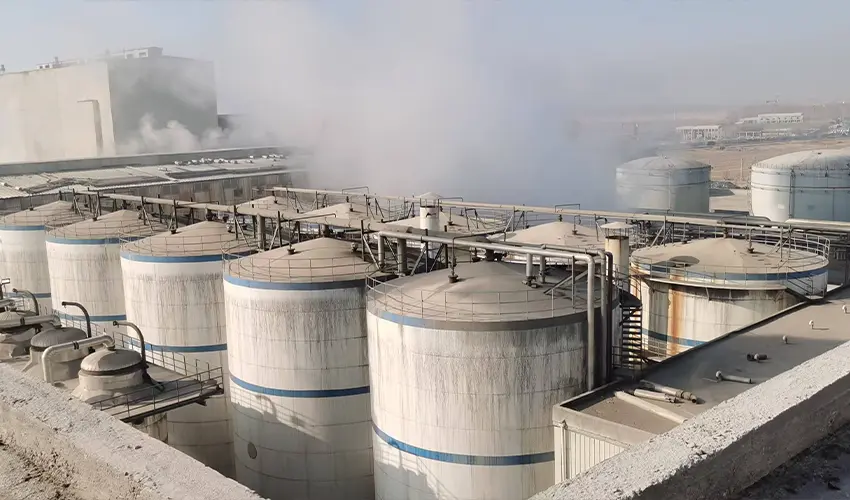
Ethanol quality testing does far more than confirm whether a batch passes a specification sheet. In a modern grain deep processing facility, the data collected during quality control directly feeds fermentation adjustments, influences co-product marketability, and helps manage the plant’s overall energy balance.
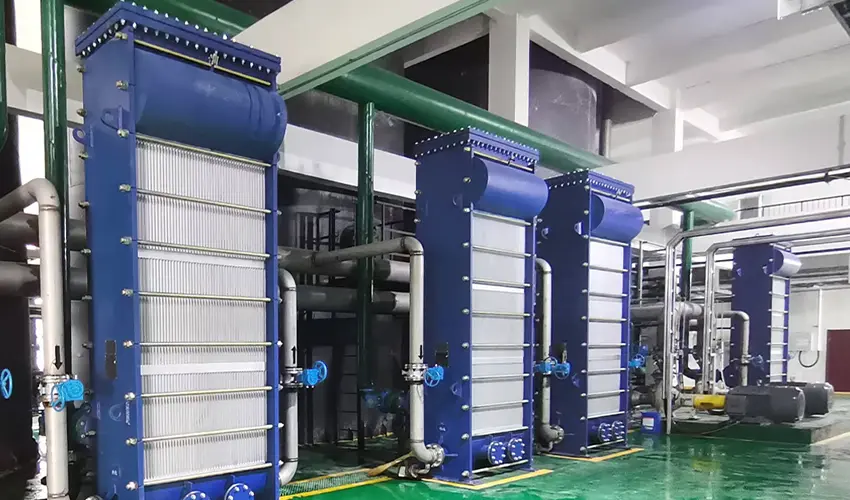
Most corn ethanol plants chasing higher yields focus narrowly on fermentation: yeast strains, enzyme dosing, temperature curves. That focus misses half the picture.

For an ethanol plant, minutes lost to an undetected process deviation mean money burned — literally. A fermentation temperature spike that goes unnoticed for fifteen minutes or a distillation column pressure fluctuation that nobody catches until the next shift review can erase efficiency gains that took months to secure.
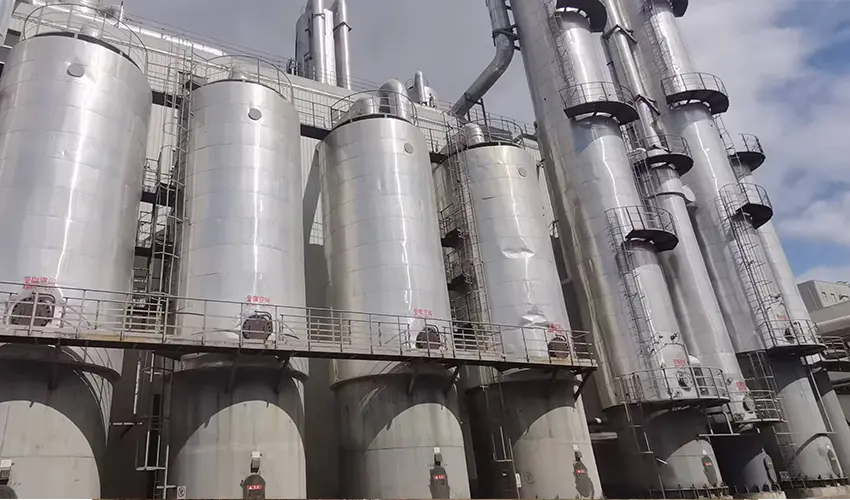
Ethanol plant energy efficiency directly determines whether a dry mill facility operates at a profit or struggles with margins.
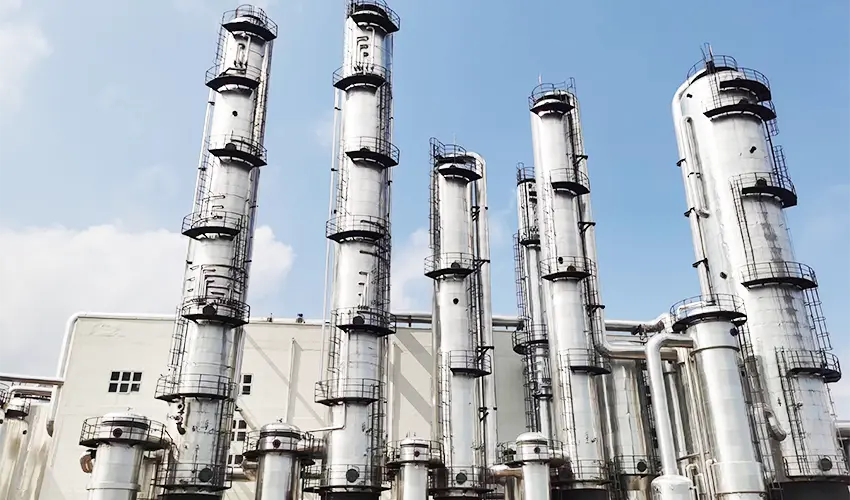
In the design of a new fuel ethanol plant, the choice between continuous fermentation and batch processing shapes more than just the fermenter floor. It determines plant-wide energy flows, byproduct quality, and long-term operational economics.
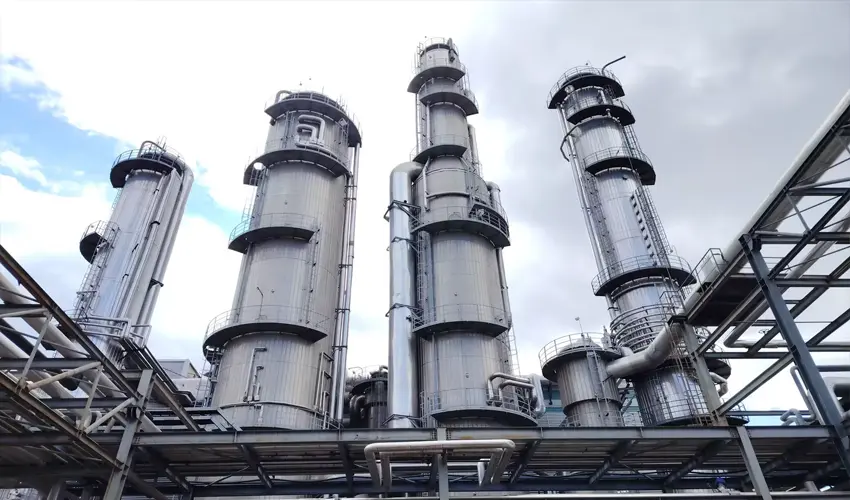
The carbon footprint of transportation fuels is weighing heavily on energy policy, agricultural strategy, and corporate sustainability commitments. When comparing bioethanol vs fossil fuel carbon emissions, most assessments stop at tailpipe CO₂ or land-use change, and treat the plant itself as a black box.
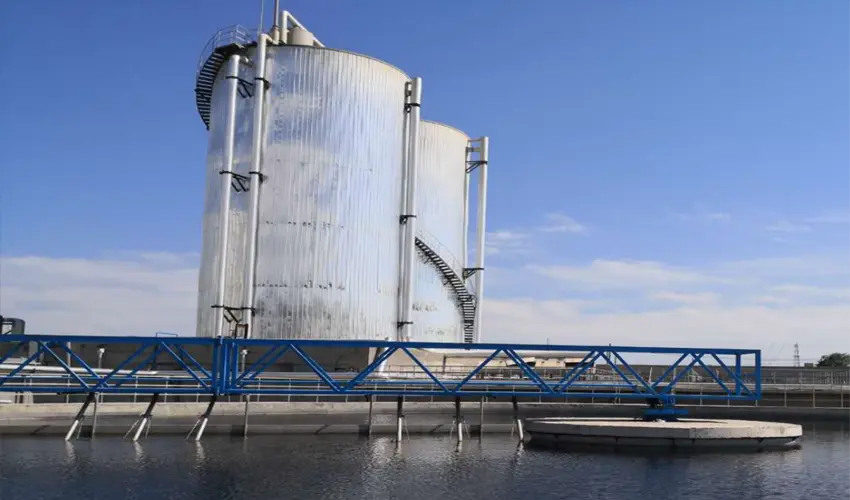
Water treatment in ethanol production is often seen as a cost center and a compliance hurdle. But when integrated with biogas recovery and process heat reuse, it becomes a driver of lower operating cost, new energy revenue, and a smaller environmental footprint. In over fifteen years working on integrated grain-to-food-energy projects, I’ve seen that the most profitable corn ethanol plants treat wastewater as a resource, not a waste.
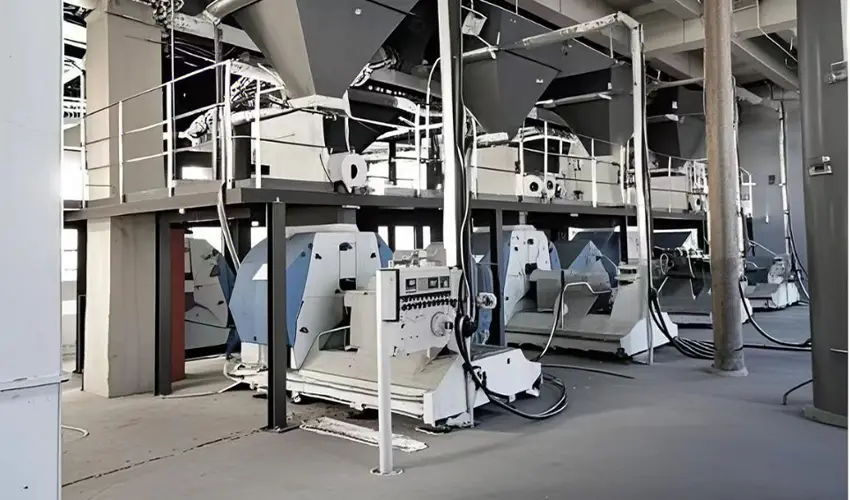
Converting corn into ethanol is a mature industrial process, but the actual conversion rate—the volume of anhydrous ethanol produced from a bushel of corn—varies far more in practice than laboratory summaries suggest.
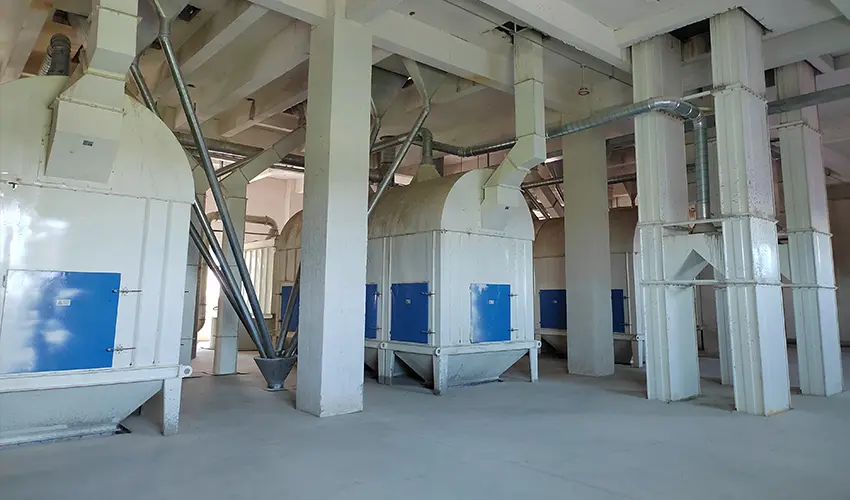
Fuel ethanol from corn represents far more than a substitute for gasoline. Over the past fifteen years, I have worked on integrated grain-to-energy projects across multiple countries, and each engagement reinforces a single insight: the environmental and economic case for corn ethanol depends entirely on the design of the plant and its integration with broader agricultural systems.
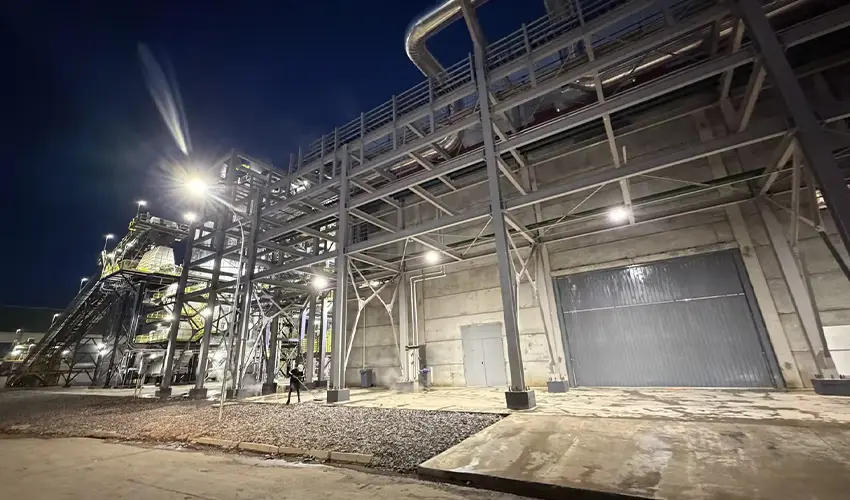
Many ethanol plants treat byproduct utilization as a secondary concern, but DDGS, CO2, and biogas collectively represent the difference between a marginal operation and a highly profitable biorefinery.
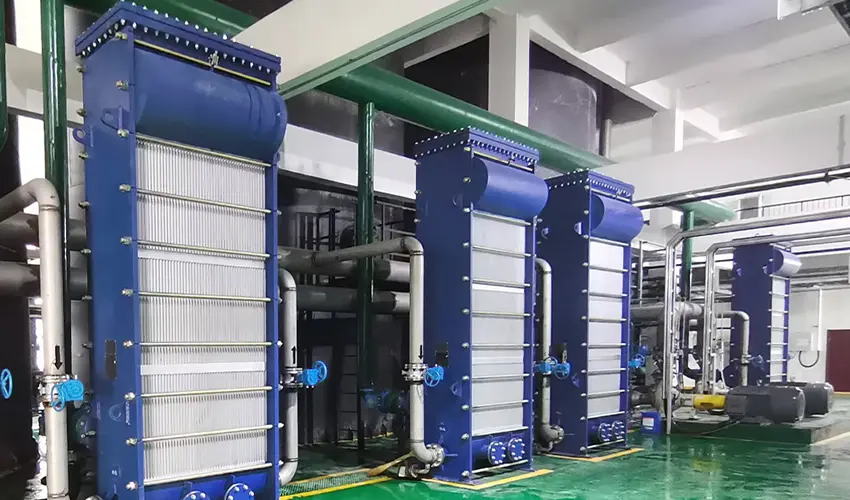
Ethanol plants are margin-driven operations where every bushel of corn counts. However, focusing relentlessly on saccharification enzyme conversion rates alone can blind a plant to the larger economic picture.
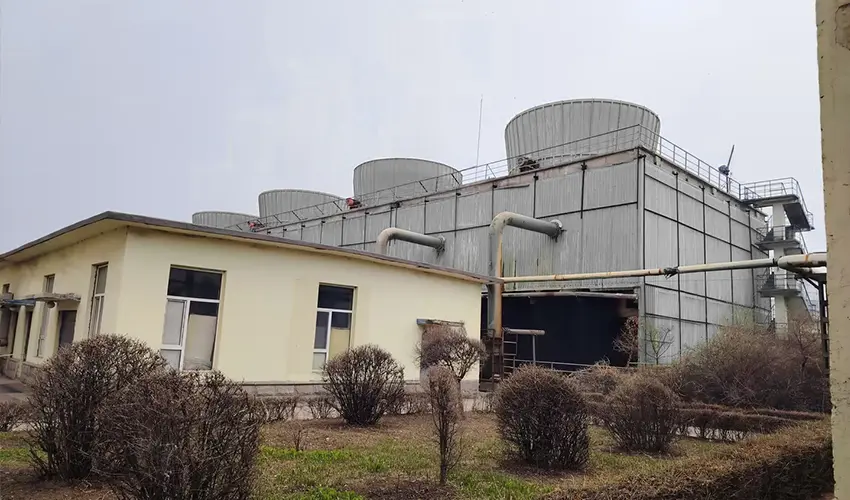
Liquefaction enzyme selection and dosage for corn ethanol isn’t a decision you can confine to a lab protocol. It sets the trajectory for heat recovery, fermentation kinetics, and the protein profile of the DDGS you sell.
bjhn@agrifamgroup.com