EN
Ethanol plants are margin-driven operations where every bushel of corn counts. However, focusing relentlessly on saccharification enzyme conversion rates alone can blind a plant to the larger economic picture. In the integrated agricultural chains AGRIFAM designs, enzymes are not just biocatalysts; they are levers that influence energy consumption, byproduct quality, and long-term sustainability. This article applies an engineering strategist’s lens to show how saccharification enzyme selection, when tied to total plant economics, turns a routine procurement decision into a competitive advantage.
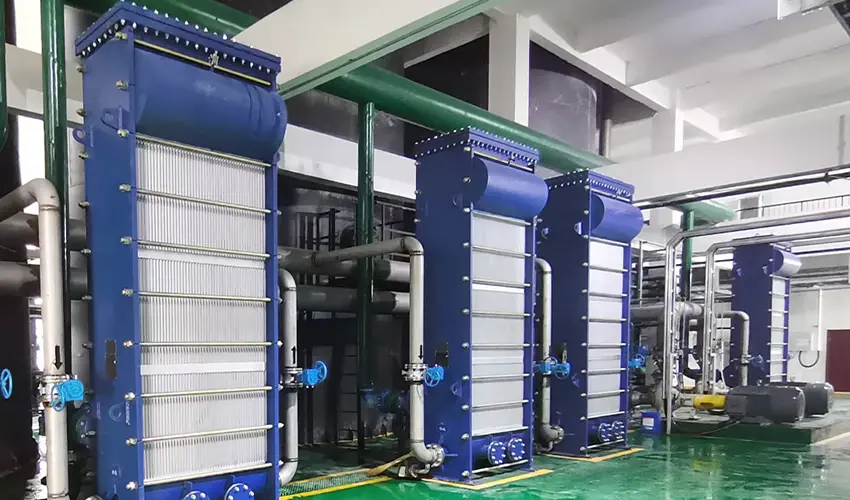
Corn ethanol production unlocks starch in two stages. First, liquefaction uses heat-stable alpha-amylase to break long starch chains into shorter dextrins, slashing mash viscosity so the slurry moves through pipes and tanks. Then saccharification enzymes, primarily glucoamylase, cleave those dextrins into glucose molecules that yeast can ferment. The sequence appears straightforward, but the real leverage sits in how completely those enzymes do their job. A single percentage point improvement in sugar yield can add millions of liters of ethanol annually at a large plant. Yet optimizing that step in isolation often ignores how it changes everything downstream. The way the mash flows, the heat required in distillation, and even the protein content of DDGS all trace back to which enzymes you choose and how you run them.
Understanding the main enzyme families is the first step toward a system-level decision.
| Enzyme Type | Primary Action | Optimal Conditions | Key Process Impact |
|---|---|---|---|
| Alpha-Amylase | Breaks starch into dextrins | 90–110°C, pH 5.5–6.5 | Reduces viscosity, enables pumping |
| Glucoamylase | Converts dextrins to glucose | 55–65°C, pH 4.0–5.0 | Feeds yeast for fermentation |
| Pullulanase | Debranches amylopectin | 55–65°C, pH 5.0–6.0 | Increases glucose yield from branched starch |
Many plants now use tailored blends that combine these activities. When pullulanase debranches the amylopectin that alpha-amylase cannot fully address, glucoamylase has more access points, pushing total sugar conversion above 98%. The difference between 96% and 98% conversion does not sound dramatic, but over a year it can mean losing or gaining hundreds of tons of fermentable sugar. The choice of enzyme formulation therefore shapes not just the sugar stream but also the energy profile of the steps that follow.
Each enzyme has a narrow performance window. Alpha-amylase demands high temperatures near the jet cooker, while glucoamylase and pullulanase work best in the cooler mash after liquefaction. Running saccharification too hot will denature the glucoamylase; too cold and the reaction slows to a crawl. pH control is equally sensitive, because calcium ions stabilize alpha-amylase but excessive calcium can interfere with downstream yeast health.
Dosage cannot be set once and forgotten. Corn quality varies seasonally, and starch granule structure shifts with growing conditions. A plant that runs a flat dosage rate month after month may be overdosing half the time and starving the reaction the other half. I have evaluated plants where a 10% reduction in enzyme dose, combined with tighter temperature profiling, lifted sugar yield by 1.8% because the enzyme was no longer fighting suboptimal conditions. The real skill is not in buying the cheapest enzyme but in tying dosage to real-time mash characteristics.
Effective saccharification does not just produce more sugar; it reduces the plant’s overall energy bill. When liquefaction enzymes cut mash viscosity, the slurry needs less power to mix and pump. In one plant our team assessed, switching to a high-thermostability glucoamylase variant cut mixing energy by roughly 12%, while the lower viscosity also improved heat transfer in the stillage evaporators. Those savings cascade into reduced steam demand and lower electricity consumption per liter of ethanol.
AGRIFAM’s integrated corn-to-ethanol solutions routinely target a 25% reduction in energy consumption through process coupling. Enzyme selection contributes directly to that target: lower mash viscosity means smaller motors, less heat input for distillation, and a slimmed-down wastewater treatment load because the condensate handles fewer solids. For a 200,000‑ton‑per‑year corn plant, cutting total energy use by even a few percentage points translates into six‑figure annual savings. If your plant’s current enzyme program has not been examined for its impact on pump amperage or evaporator steam rates, a significant lever may be sitting idle.
A common assumption is that the cheapest enzyme cost per liter of ethanol is the best choice. The more useful metric is total cost per unit of net revenue. A high‑activity enzyme blend may cost an extra two cents per bushel of corn processed, but it can deliver three to four cents per bushel in additional ethanol revenue and another one to two cents per bushel through higher‑protein DDGS. Over a 10‑million‑bushel year, that single shift adds well over a million dollars to the bottom line.
The payback calculation becomes more convincing when the plant can avoid a capital expenditure. If the existing enzyme program cannot push sugar conversion above 96%, the plant may be tempted to add a pre‑saccharification tank or lengthen residence times. A more potent enzyme formulation often achieves the same conversion gain without adding hardware, freeing capital for upgrades elsewhere. If you are considering a tank expansion solely to recover lost sugar, the faster path may be an enzyme performance review rather than a new vessel.
The protein content of DDGS is determined partly by how much starch remains after fermentation. When saccharification runs to completion, more starch is fermented into ethanol, leaving a protein‑concentrated residue. In markets where high‑protein DDGS commands a premium, the difference between 28% and 32% protein can be worth $10 to $15 per ton. A plant producing 80,000 tons of DDGS annually could see an additional $800,000 in revenue simply from enzyme‑driven protein enrichment.
That protein uplift is not automatic. It requires an enzyme strategy that targets the most resistant starch fractions, often with a pullulanase component. In my experience, plants that treat enzyme selection purely as a conversion‑rate exercise rarely capture the full DDGS value because they stop optimizing once the fermentable sugar number looks acceptable. The enzyme choice cascades through the fermenter and into the dryer, shaping the nutritional profile that a feed buyer evaluates. If your DDGS protein has stalled below market benchmarks, the fastest fix may not be a new dryer but a different enzyme.
Every percentage point of sugar conversion that slips away is money left in the fermenter. The right enzyme strategy turns that loss into profit, not just through higher ethanol yield but through lower energy consumption and a DDGS product that earns a premium. Share your current process parameters and we will model the economic improvement for your plant, incorporating your corn quality, energy rates, and byproduct markets. Send your data to bjhn@agrifamgroup.com or call 010-8591 2286.
It depends on the starch composition of the corn you are receiving. Dent corn with a higher amylopectin ratio benefits more from a pullulanase addition, whereas flinty corn with tighter starch granules may require a stronger alpha-amylase upfront to break the granular structure. I have seen plants in South America, where corn hardness varies sharply by region, switch enzyme blends seasonally and recover 1.5% more sugar within weeks.
The clearest signal is a drop in glucose in the fermenter feed while starch remains high in DDGS. If your fermentable sugar concentration drifts below target and DDGS starch exceeds 2%, the dosage is likely insufficient. A secondary check is mash viscosity at the liquefaction outlet; rising viscosity suggests alpha-amylase is not keeping pace with the starch load.
Yes. Some glucoamylase formulations carry side activities that produce small amounts of unfermentable sugars or inhibitors that stress yeast. This is why enzyme sourcing matters: a consistent, well-characterized product avoids introducing variables into the fermenter. When our team integrates an entire corn alcohol line, we qualify enzymes not just on sugar yield but on fermentation health over multiple runs.
Start with a structured trial that changes only one variable at a time, measuring sugar before fermentation, ethanol output, and DDGS protein. I recommend running the trial for at least two weeks to wash out corn‑quality noise. If you need help designing a trial that isolates the enzyme effect from other process shifts, reach out to our engineering group with your current operating data and we will lay out a protocol.
If you’re interested, check out these related articles:
Driving Global Food Conservation Through Technological Innovation







bjhn@agrifamgroup.com