EN
Many ethanol plants treat byproduct utilization as a secondary concern, but DDGS, CO2, and biogas collectively represent the difference between a marginal operation and a highly profitable biorefinery. After fifteen years of engineering integrated agricultural systems, I’ve seen that the margin between a plant that breaks even and one that delivers strong returns often lies in how comprehensively it captures co-product value. By designing the facility as a multi-stream biorefinery from the start, producers turn waste streams into dependable revenue that strengthens the entire corn-to-food-energy-feed chain.
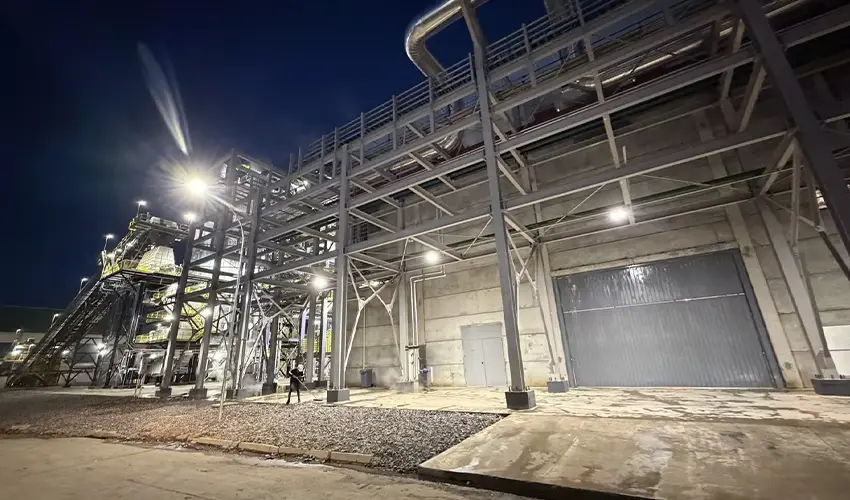
For a dry-mill corn ethanol plant, the primary product — fuel ethanol — accounts for the majority of revenue, but the co-product streams can determine whether the facility operates at a comfortable margin or a thin one. DDGS, the protein-rich distillers grains, typically represents the largest co-product revenue source. Depending on the plant’s drying capacity and the local feed market, DDGS can contribute anywhere from 10 to 20 percent of total plant income. CO2, produced in roughly equal weight to ethanol during fermentation, is often vented to the atmosphere — a lost opportunity. When captured and purified, it can command consistent prices from food, beverage, and industrial buyers. Biogas from anaerobic digestion of stillage can offset a plant’s natural gas consumption by 30 to 50 percent, or generate electricity for sale.
| Byproduct | Typical Revenue Contribution (%) | Key Driver |
|---|---|---|
| DDGS | 10–20% of total plant revenue | Protein content, market access |
| CO2 | 3–8% | Food-grade demand, proximity |
| Biogas | 3–7% (as energy offset) | Natural gas price, electricity rate |
Across our project portfolio, we have consistently found that plants with integrated co-product recovery systems achieve 15 to 25 percent higher overall revenue compared to those that sell only ethanol and wet cake. That revenue differential comes from real operational data and directly improves the plant’s resilience to corn price swings and ethanol market volatility.
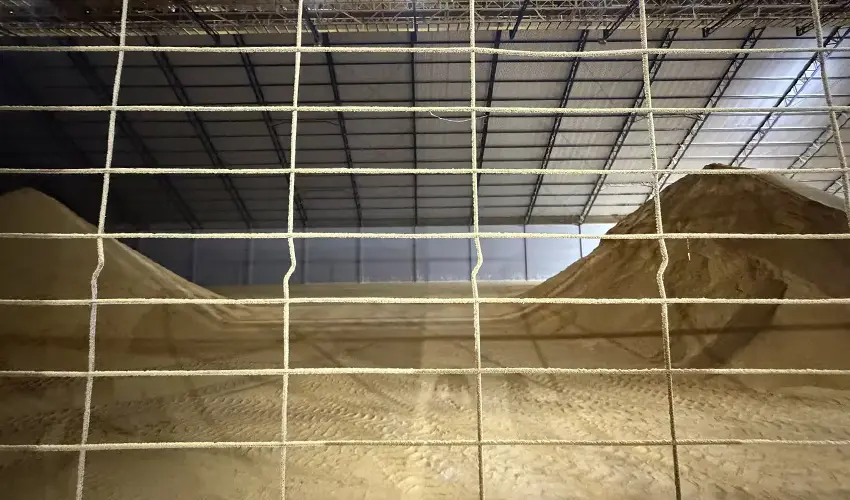
Not all DDGS is equal in the feed market. Protein content, fiber digestibility, and moisture uniformity directly influence the price a plant can negotiate with livestock producers and feed mills. The drying process is critical: excessive heat damages amino acids and reduces nutritional value, while under-drying leads to spoilage and rejection. We design plants with controlled, multi-stage drying systems that preserve the lysine and methionine content that ruminant and monogastric nutritionists prioritize. In addition, proper storage in thermal-insulated silos — a strength of AGRIFAM’s grain depot technology — prevents moisture absorption and mycotoxin growth after production. A consistent, high-quality DDGS product opens doors to export markets, where specifications are tighter but premiums are higher. We’ve seen clients move from selling DDGS at a discount to local brokers to securing long-term contracts with Asian and Middle Eastern feed compounders simply by upgrading their drying and storage infrastructure. That shift alone can add five to ten dollars per ton, which on a 100,000-ton-per-year plant adds up quickly.
Fermentation converts roughly one-third of the corn’s starch into ethanol and one-third into carbon dioxide. For a 50-million-gallon ethanol plant, that translates to approximately 150,000 metric tons of CO2 per year. Capturing it requires a series of unit operations: a foam trap, a water scrubber to remove ethanol and volatile organics, a compressor train, a dehydration system, and finally liquefaction and storage. The capital cost is not trivial — typically three to five million dollars for a plant of that scale — but the payback can be under three years when food-and-beverage-grade CO2 prices exceed 100 dollars per ton. In our project evaluations, we always map the regional CO2 market before finalizing the design. If there are bottlers, dry ice manufacturers, or greenhouse operators within trucking distance, the capture system rarely fails to justify itself. For plants in remote locations, we explore alternative uses: enhanced oil recovery, pH control in wastewater treatment, or algae cultivation. One AGRIFAM project in northeast China integrated CO2 recovery with a nearby biogas upgrading facility, using the CO2 to strip hydrogen sulfide, creating an additional revenue loop. This kind of site-specific integration is where a turnkey provider’s experience pays off — generic designs miss these synergies.
If your plant is currently venting CO2 and you are unsure about the local market potential, a brief assessment can clarify whether capture makes economic sense. Reach out at bjhn@agrifamgroup.com with your plant’s production capacity and location.
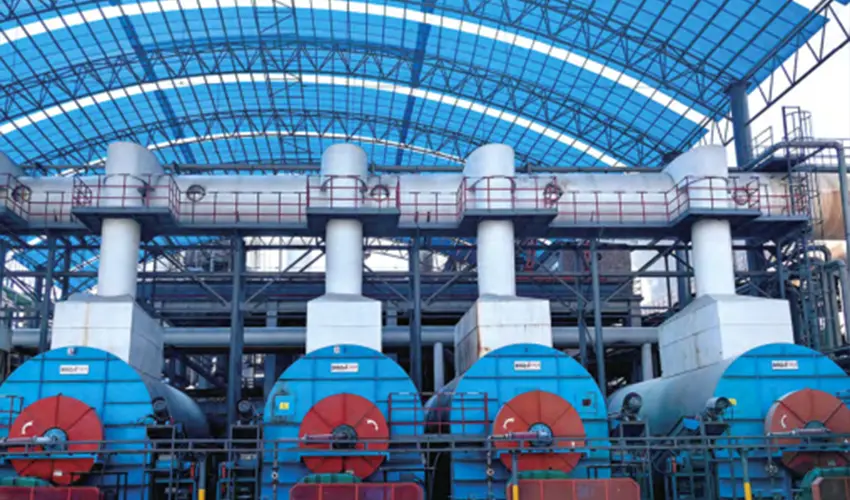
Whole stillage from distillation contains organic matter with high biochemical oxygen demand, and its disposal as wastewater is both expensive and environmentally challenging. Passing it through an anaerobic digester converts 60 to 70 percent of that organic load into biogas — a mixture of roughly 60 percent methane and 40 percent carbon dioxide. That biogas can be fed directly to a boiler, replacing natural gas, or upgraded to biomethane for injection into the gas grid. In one of our recent projects, the biogas system supplied 40 percent of the plant’s steam demand, cutting the annual natural gas bill by over half a million dollars. The secondary benefit is a dramatic reduction in wastewater treatment costs, as the effluent from the digester has a far lower organic load, making aerobic polishing simpler and cheaper. Designing the digester and the biogas handling system requires careful attention to sulfur compounds, moisture, and siloxanes, which can corrode equipment if not removed. We specify appropriate scrubbing and conditioning systems as part of the integrated design so that the biogas becomes a reliable, low-maintenance fuel source rather than a maintenance headache.
The common pitfall is treating DDGS drying, CO2 capture, and biogas generation as independent add-ons. When these systems are designed separately — or worse, retrofitted — they consume more energy, occupy more space, and require more operators than an integrated approach. A plant designed from the ground up to maximize co-product value uses the same steam to dry DDGS and regenerate CO2 scrubbers, recovers low-grade heat from distillation for digester heating, and shares control infrastructure across all unit operations. At AGRIFAM, our alcohol solution incorporates this integration from the first engineering drawing. We apply energy cascade utilization that typically reduces overall energy consumption by 25 percent compared to conventional designs. The digital management platform monitors every stream in real time, allowing operators to adjust dryer temperature, CO2 compression load, and biogas flow based on current market prices and feedstock quality. That level of control is not possible when each byproduct system operates in isolation. The result is a facility that behaves like a single organism, not a collection of machines. And when a buyer visits that plant, the operational coherence is obvious — it commands confidence that the output will be consistent.
Investors and plant managers rightly ask about the incremental capital cost. A full co-product integration package — including DDGS drying, CO2 capture and liquefaction, and biogas generation — typically adds 15 to 25 percent to the total plant investment, depending on capacity and site conditions. That number can seem steep until you model the cash flows. In a typical 50-million-gallon plant, the incremental annual revenue from DDGS quality upgrading alone can exceed one million dollars, CO2 sales can contribute another half million to one million, and biogas energy savings can cut operating costs by 500,000 to 800,000 dollars. Combined, these streams often produce a payback period of three to five years, after which they become pure profit centers. We build detailed financial models for every project, factoring in local corn prices, utility rates, and co-product market conditions. These models also stress-test scenarios — what if ethanol prices drop? What if corn spikes? In most cases, the co-product revenue streams act as a buffer, keeping the plant cash-positive even in down cycles. That stability is what lenders and equity partners want to see, and it is why we recommend that no ethanol plant be built without full co-product integration from day one.
If you are planning a new ethanol plant or upgrading an existing one, the design decisions you make today will determine your co-product revenue for decades. Send your production capacity, site location, and byproduct goals to bjhn@agrifamgroup.com or call 010-8591 2286, and we will provide a preliminary assessment of the integration opportunities specific to your project.
Typically 15 to 25 percent of total plant revenue, with DDGS contributing the largest share. That range depends heavily on DDGS quality, CO2 market access, and natural gas prices. In plants we have evaluated, co-product income has made the difference between negative and positive EBITDA in years when ethanol margins were thin.
Yes, but retrofits cost more and deliver less than integrated designs. Space constraints, existing steam balance, and piping complexity often limit efficiency gains. We always recommend a site audit first to identify which retrofit elements offer the fastest payback — often biogas generation from stillage generates the quickest return because it directly cuts the natural gas bill.
There is no absolute minimum, but plants producing under 10 million gallons per year may struggle to justify the full suite of capital investments. In those cases, we often recommend starting with biogas recovery and DDGS drying upgrades, then adding CO2 capture when the cash flow supports it. The key is building the plant with physical space and utility connections reserved for future addition — a simple step that saves enormous retrofit costs later.
Consistent protein content above 28 percent, low fiber variability, and absence of mycotoxins are non-negotiable. That requires precise control of fermentation, drying temperature, and post-production storage. Our clients who export successfully typically operate thermal-insulated silos with automated moisture monitoring and implement lot-traceable quality testing from dryer discharge to container loading. If your target market requires specific certifications, share those requirements early in the design phase so the engineering accommodates them from day one — retrofitting quality systems later almost always compromises efficiency.
If you’re interested, check out these related articles:
Driving Global Food Conservation Through Technological Innovation







bjhn@agrifamgroup.com