EN
Fuel ethanol from corn represents far more than a substitute for gasoline. Over the past fifteen years, I have worked on integrated grain-to-energy projects across multiple countries, and each engagement reinforces a single insight: the environmental and economic case for corn ethanol depends entirely on the design of the plant and its integration with broader agricultural systems. When the facility is engineered to capture every co-product and recover energy at each stage, the balance shifts from incremental improvement to genuine sustainability. This article walks through what that integration looks like in practice, from grain receiving to final fuel dispatch.
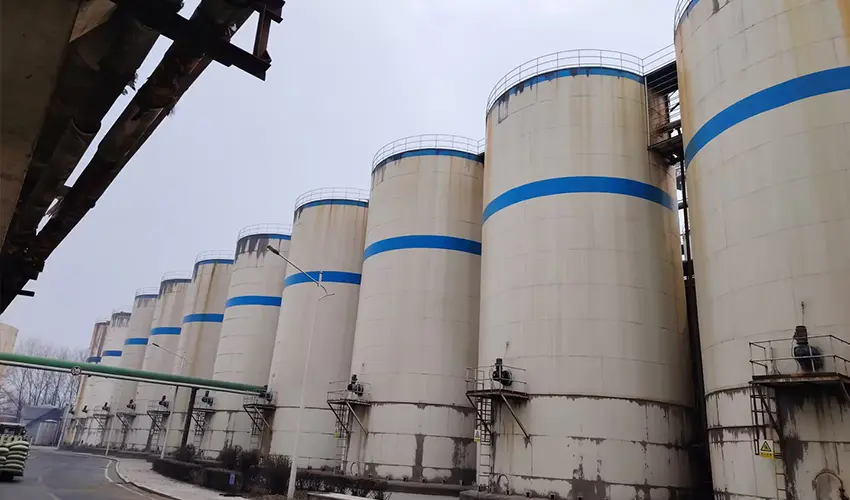
Corn ethanol functions as a closed-carbon fuel. The corn plant absorbs CO₂ during growth, partially offsetting the emissions released when the fuel burns. That biogenic balance means corn ethanol can reduce life-cycle greenhouse gas emissions by a significant margin compared to fossil gasoline, particularly when the production plant runs on renewable energy and the feedstock is sourced with low-impact farming practices. Regulatory frameworks in dozens of countries now mandate ethanol blending at rates between E5 and E85, recognizing both the air-quality benefits and the energy security value of domestically produced fuel.
The strategic dimension often missed in environmental discussions is that corn ethanol links crop production directly to transportation fuel supply chains. A grain farmer growing corn for ethanol participates in an industrial ecosystem that includes animal feed, food processing, and energy generation. That interconnection transforms ethanol from a single-product biofuel into a system-level asset for rural economies and national fuel infrastructure.
The most common route is dry grind processing. Cleaned corn is milled into a coarse flour, mixed with water and enzymes, and heated in a liquefaction step where alpha-amylase breaks starch into shorter dextrins. In the subsequent saccharification stage, glucoamylase converts those dextrins into fermentable sugars. Yeast then ferments the sugars into a dilute ethanol solution, typically reaching 10 to 15 percent alcohol by volume.
Distillation concentrates the ethanol to near azeotropic concentration, about 95 percent. The final dehydration to fuel-grade anhydrous ethanol, above 99.5 percent purity, is achieved with molecular sieve adsorption systems that selectively trap water molecules under pressure. Every step presents opportunities for energy integration: preheating mash with distillation column waste heat, recycling thin stillage to reduce water demand, and capturing CO₂ from fermentation vents.
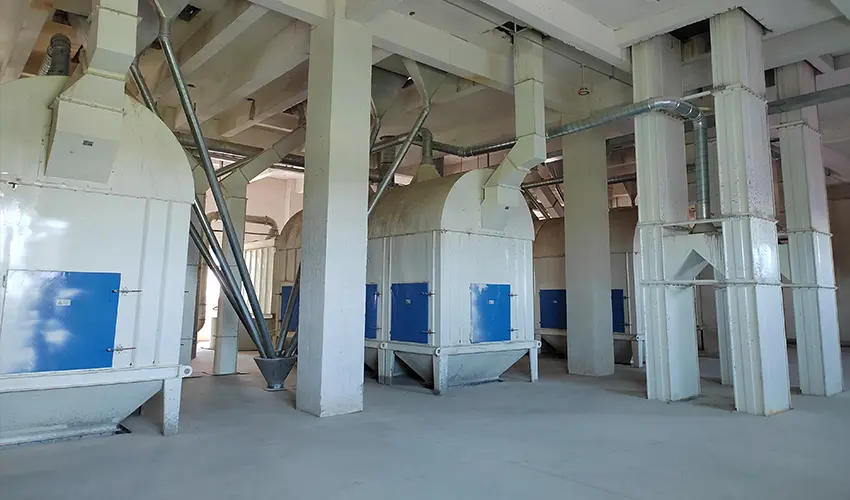
Distillation is the largest energy consumer in an ethanol plant, accounting for roughly half of total thermal demand. In our integrated alcohol projects, we apply energy cascade principles that redirect waste heat from distillation columns to upstream processes like mash preheating and evaporation. That reduces the live steam load on the boiler while maintaining process stability. The steam system is designed so that high-pressure steam first drives turbines for electricity generation, and the lower-pressure exhaust steam then serves heating duties, a sequence that squeezes maximum work from every kilogram of fuel burned.
Biogas recovered from anaerobic treatment of process wastewater further offsets fossil energy use. Treating stillage in digesters generates methane-rich biogas that can be fed directly to the boiler, cutting natural gas consumption. This closed-loop approach transforms a waste treatment obligation into a cost-reduction resource, and it is one of the most effective ways to improve the net energy ratio of a corn ethanol plant.
If your project involves complex heat integration and by-product energy reuse, confirm the specific steam balance and heat exchanger network design before locking in process configuration. Reach out at bjhn@agrifamgroup.com.
A corn kernel entering a dry grind plant yields more than ethanol. The non-starch components become a nutrient-rich animal feed known as dried distillers grains with solubles (DDGS), containing roughly 27 to 30 percent protein. For every bushel of corn processed, approximately 17 pounds of DDGS emerge, generating a revenue stream that often exceeds the cost of the raw grain. That protein feed supply chain integrates ethanol plants directly into livestock operations, creating a corn-food-energy-feed loop that strengthens agricultural economies.
Fermentation produces a similarly high-purity CO₂ stream. With appropriate capture, scrubbing, and liquefaction equipment, that CO₂ can be sold into food and beverage markets, dry ice production, or industrial gas supply chains. Additional co-products like corn oil, recovered from thin stillage prior to DDGS drying, provide further revenue diversification. The table below summarizes the major co-product streams and their typical market destinations.
| Co-Product | Typical Output per Bushel | Primary Market |
|---|---|---|
| DDGS | 17 lbs | Livestock and dairy feed |
| Food-Grade Liquid CO₂ | 17 lbs | Beverages, food processing |
| Biogas (from anaerobics) | Varies by plant | Boiler fuel or electricity |
| Corn Oil | 1.5 lbs | Biodiesel, animal feed |
| Thin Stillage (recycled) | Internal reuse | Reduced water consumption |
Plants designed with integrated co-product handling from the start convert what might be waste into dependable margins.
The path from concept to commissioned plant requires simultaneous attention to feedstock logistics, process technology selection, utility infrastructure, and regulatory compliance. Site selection must balance proximity to corn supply, water availability, and transportation access for both fuel export and DDGS distribution. Process design decisions, particularly the choice between dry grind and wet milling, or the extent of energy integration, affect capital cost and operational flexibility for decades.
AGRIFAM provides full EPC delivery for grain-based ethanol plants, covering everything from feasibility study and engineering design to equipment procurement, construction, commissioning, and operator training. The integrated project management approach tracks milestones across civil works, mechanical installation, electrical and automation systems, and process commissioning, so that schedule risks are identified early. International projects add layers of logistics coordination and local regulatory navigation, which our team has addressed across markets in Asia, South America, and Africa.
Building a corn ethanol plant that achieves true sustainability and profitability requires navigating complex tradeoffs between feedstock quality, process technology, and co-product markets. Send your project requirements and capacity target to bjhn@agrifamgroup.com or call 010-8591 2286. We will provide a preliminary engineering assessment tailored to your conditions.
Corn ethanol occupies a middle ground among first-generation biofuels. Life-cycle assessments generally show higher net greenhouse gas savings than biodiesel from palm oil, but lower savings than sugarcane ethanol produced in Brazil. The range is wide because plant design strongly influences the outcome: a plant that burns coal for process heat will show a modest carbon reduction, while a plant running on biogas and grid-exported renewable power can approach net-zero carbon intensity. The feedstock farming practices and fertilizer management are equally important variables.
Fuel ethanol intended for gasoline blending must meet ASTM D4806 in the United States or EN 15376 in Europe. These standards specify ethanol purity, water content, methanol and higher alcohol limits, acidity, and the type and concentration of denaturant required for transport. For export markets, both the fuel specification of the importing country and the denaturing rules of the shipping jurisdiction apply. Testing protocols for copper corrosion, solvent-washed gum, and inorganic chloride content are standard parts of quality assurance.
Rarely. The ethanol price alone typically cannot cover the full grain cost, energy, and operating expenses at current market levels. DDGS and CO₂ revenues are structurally embedded in the plant’s financial model. Plants that fail to monetize these co-products or that operate without efficient energy recovery face consistently negative margins. The most resilient operations are those that view the entire corn kernel as a portfolio of revenue streams, not just a source of fermentable starch.
From groundbreaking to commissioning, a typical dry grind ethanol plant requires 18 to 24 months, assuming permitting and financing are already in place. The timeline stretches for projects in remote locations or those incorporating complex by-product and energy integration systems. Civil works and equipment procurement run in parallel phases, with the critical path usually running through distillation column delivery, tank farm construction, and automation system integration. An experienced EPC contractor can compress schedules by overlapping design and procurement activities.
We work closely with clients to structure project financials and can connect developers with funding partners familiar with industrial agriculture and bioenergy projects. Our immediate contribution is a bankable feasibility study, detailed capital expenditure estimate, and a project schedule that lenders can evaluate. Share your intended capacity and site conditions, and we will prepare a preliminary financial model to support your discussions with investors.
If you’re interested, check out these related articles:
Driving Global Food Conservation Through Technological Innovation







bjhn@agrifamgroup.com