EN
In the design of a new fuel ethanol plant, the choice between continuous fermentation and batch processing shapes more than just the fermenter floor. It determines plant-wide energy flows, byproduct quality, and long-term operational economics. Continuous fermentation offers higher productivity, tighter process control, and the ability to integrate seamlessly with downstream energy recovery systems. In our work engineering complete grain-to-ethanol plants, we have found that continuous fermentation, when designed as part of an integrated system rather than a standalone unit, unlocks substantial advantages that batch processing cannot match. This article examines the technical, economic, and systemic benefits that make continuous fermentation the strategic choice for modern fuel ethanol production.
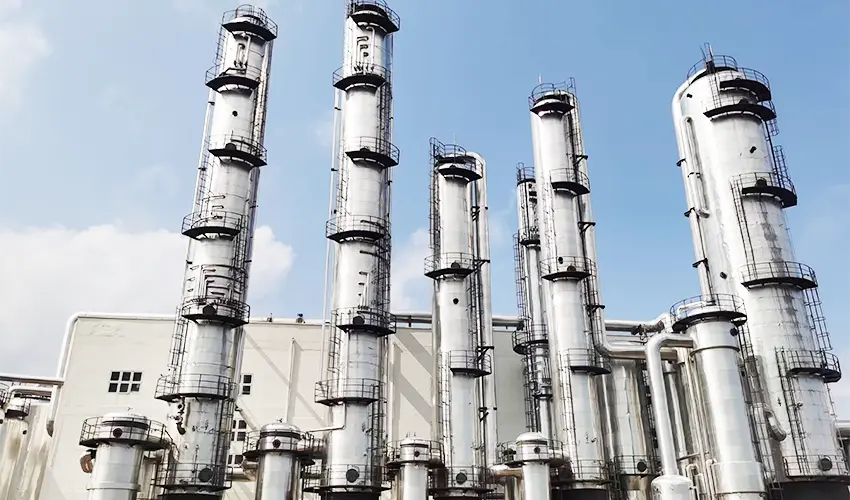
Batch fermentation runs the entire process—filling, fermentation, emptying, cleaning—in sequential cycles. A typical corn ethanol fermenter holds a fixed volume of mash for 50 to 60 hours while yeast converts sugars into ethanol. After each cycle the tank must be emptied, cleaned, and sterilized before the next batch begins. This stop-start rhythm consumes time, steam, and labor with every turnaround.
Continuous fermentation replaces that pattern with a steady-state operation. Fresh mash flows into the fermenter at a constant rate while ethanol-laden broth is simultaneously withdrawn. The system maintains a dense, active yeast culture, and fermentation conditions such as pH, temperature, and substrate concentration stay within narrow bands. By eliminating the cycle-and-clean sequence, continuous fermentation reduces effective downtime to near zero and raises annual throughput without expanding the tank farm.
Put simply, it keeps the fermenter running without interruption. Instead of working through discrete batches, the plant feeds substrate continuously and harvests product continuously. This approach stabilizes the yeast population and avoids the metabolic lag phase that slows down each new batch. The result is a higher average ethanol productivity per unit of fermenter volume.
| Parameter | Batch Fermentation | Continuous Fermentation |
|---|---|---|
| Cycle time | 50–60 hours per batch plus turnaround | Continuous, no batch downtime |
| Yeast concentration | Variable, drops after peak | High and stable |
| Ethanol productivity (g/L/h) | 1.0–1.5 typical | 1.8–2.5 achievable |
| Contamination risk | Peaks during early lag phase | Lower under steady-state with high cell density |
| Cleaning and sterilization | Between every batch | Scheduled intervals only |
| Labor requirement | Higher per unit of ethanol | Lower per unit, more automation |
The productivity gap between continuous and batch systems comes down to two factors: yeast performance and time utilization. In a batch tank, yeast cells go through lag, exponential growth, stationary, and decline phases. The actual ethanol production window is shorter than the total cycle time. Continuous fermentation, by contrast, keeps the yeast in a high-activity state throughout the campaign. A well-controlled continuous system can sustain ethanol titers of 8–10% (v/v) while pushing volumetric productivity 30–50% above an equivalent batch line.
The closed-loop liquid handling also reduces the exposure that invites contamination. In a batch plant, each new cycle introduces fresh mash, rinse water, and ambient air into the vessel. Continuous fermentation limits these entry points because the vessel is rarely emptied entirely. When a contamination event does occur, the high yeast density often outcompetes the invading organism, keeping minor upsets from becoming multi-batch losses.
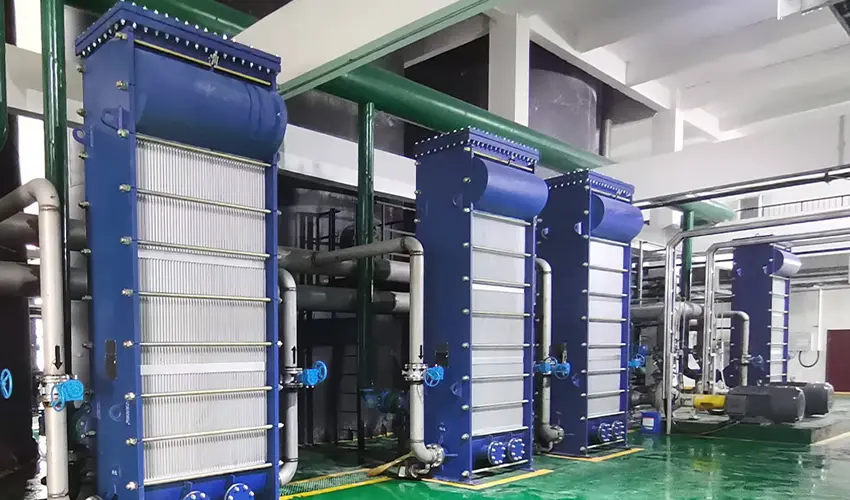
Batch fermentation is most vulnerable during the early hours when yeast cell count is low and the medium is rich in fermentable sugars. Bacteria can multiply faster than yeast under those conditions. Continuous fermentation operates at a high cell density from day one, and the steady ethanol concentration creates an environment where many common contaminants struggle to establish. This does not eliminate the need for hygiene, but it shifts the risk profile toward fewer and less severe contamination events.
The upfront investment for a continuous fermentation system is usually higher than for a batch line of the same nominal capacity. The reasons include more sophisticated process control instrumentation, sanitary pump and piping networks, and often a larger yeast propagation system to maintain the inoculum. Yet the return on that extra capital can be realized through three operating levers.
First, the same fermenter volume produces more ethanol per year because downtime shrinks. Second, energy consumption per liter of ethanol drops when the fermentation heat can be delivered at a steady temperature to downstream heat recovery systems. Third, labor costs fall because the plant needs fewer people to manage cleaning cycles and tank changeovers. When these gains are modeled over a 10-year project life, continuous fermentation often delivers a shorter payback period than batch, particularly for plants above 100,000 tons per year of corn input.
If your project involves comparing fermentation technologies for a new plant, it is worth confirming how the choice affects the entire heat and mass balance of the facility. Send your preliminary feedstock data and capacity targets to bjhn@agrifamgroup.com, and our team can outline the integrated energy picture and expected operating cost difference for your specific scenario.
Most discussions of fermentation stop at the fermenter outlet. In practice, the value of continuous fermentation becomes most visible when you look at what happens downstream. A continuous fermenter delivers a steady stream of warm beer to the distillation columns. That thermal steadiness allows the distillation and dehydration units to operate closer to their design points with fewer load swings. The waste heat from column overheads can be cascaded to evaporators that concentrate thin stillage, lowering the plant’s overall steam consumption.
In the EPC solutions we deliver for grain-based alcohol and fuel ethanol plants, continuous fermentation is a central element of a larger circular economy design. Biogas from the anaerobic digestion of process wastewater supplements the boiler fuel, and the consistent quality of whole stillage from a continuous system improves the nutritional uniformity of DDGS. When the entire plant is engineered as one integrated loop—corn in, ethanol out, with byproducts returning value—continuous fermentation proves to be far more than a substitution of one tank arrangement for another.
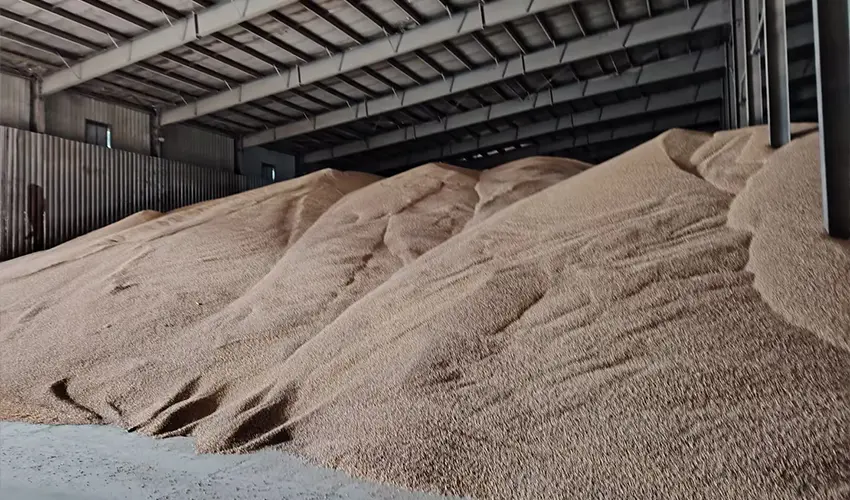
Distillation is the single largest energy consumer in a fuel ethanol plant. If the fermentation system delivers beer at a constant flow and temperature, the distillation column reboiler duty becomes predictable, and the downstream multiple-effect evaporation train can be designed for a narrower operating range. The resulting steam savings, typically in the range of 15–20% compared with a batch-fed distillation system, directly lower the plant’s operating cost per gallon and improve its carbon intensity score.
A conversion from batch to continuous is not simply piping changes. The existing tank farm layout may not suit the required cascaded reactor configuration. Instrumentation for online ethanol monitoring, flow control, and automatic yeast bleed must be added. Operators and process engineers who have spent years optimizing batch cycles need retraining to manage a dynamic steady-state instead of sequential recipes.
For greenfield projects, these challenges are easier to address because the plant layout, control architecture, and utility systems can be designed around continuous operation from the start. For brownfield retrofits, the feasibility usually depends on whether the existing distillation and evaporation units can absorb a continuous feed without major modifications. In either case, a process integration study that covers the full plant heat and mass balance is the essential first step before committing to a technology path.
Owners who adopt continuous fermentation as part of a full-chain EPC approach gain more than a step change in ethanol output. The steady-state process simplifies the traceability of raw corn through to final products, making it easier to meet fuel-grade ethanol specifications and to document sustainability metrics for biofuel certification programs. Co-product revenue becomes more predictable because DDGS protein and fiber fractions show less batch-to-batch variation. In a market where both ethanol prices and corn costs fluctuate, the operational predictability that continuous fermentation provides becomes a hedge against margin compression.
Planning a fuel ethanol project involves balancing yield, energy cost, and byproduct value. Continuous fermentation, when integrated within a comprehensive EPC solution, can reduce life-cycle costs and improve product consistency. To discuss how this technology can fit your specific feedstock and capacity requirements, send your project brief to bjhn@agrifamgroup.com or call 010-8591 2286 for a technical consultation.
Is continuous fermentation only viable for large-scale plants?
Scale matters, but the threshold is lower than many plant managers assume. Continuous systems can be economically justified at capacities as low as 50,000 tons of corn per year when overall energy integration and byproduct recovery are included in the evaluation. Below that scale, the automation cost may outweigh the throughput gain. The right answer depends on the full plant context, not just fermenter volume.
What happens to DDGS quality when fermentation shifts from batch to continuous?
One of the less obvious benefits is better DDGS uniformity. Because the whole stillage composition is stable hour to hour, the subsequent centrifugation and drying steps produce a more consistent protein and fiber profile. This consistency helps feed mills formulate rations with tighter nutritional specifications, which can command a premium in certain livestock markets.
Does continuous fermentation increase the risk of stuck fermentations?
The opposite. When a batch fermentation becomes stuck due to yeast stress or nutrient limitation, the entire tank’s contents are at risk. In a continuous system, the constant inflow of fresh substrate and outflow of beer means that a localized upset typically affects only a fraction of the total volume before process controls correct the condition. The steady nutrient supply and stable pH make stuck fermentations less likely overall.
What kind of yeast management does a continuous system require?
Continuous fermentation demands more disciplined yeast propagation and monitoring upfront. A dedicated yeast cream system or a recirculation loop that bleeds off older cells must be designed into the plant. However, once the steady state is established, the yeast population self-regulates to a large extent, and the need for tank-to-tank pitch transfers disappears. Operators spend less time managing yeast and more time monitoring process trends.
How do I know if my existing plant is a candidate for a conversion?
A practical starting point is a heat and mass balance audit. If your distillation and evaporation systems already have the turndown capability to accept a steady feed, and if tank spacing allows a cascade arrangement, a retrofit may be feasible. For many plants built before 2010, the changes can be substantial. If you are evaluating a conversion or planning a new build, sharing your current process data and target capacity with our team can help clarify the realistic scope. Reach us at bjhn@agrifamgroup.com to begin the assessment.
If you’re interested, check out these related articles:
Driving Global Food Conservation Through Technological Innovation







bjhn@agrifamgroup.com