EN

Building High-Quality China-Africa Cooperation Together – President of Zimbabwe Witnesses AGRIFAM Signing Ceremony


Deepening China-Nigeria Agriculture and Livestock Cooperation to Forge a Blueprint for Food Security – Nigerian Ambassador to China Visits AGRIFAM Huinong for Exchange and Inspection


Deepening Industrial Cooperation, Jointly Safeguarding Food Security along the Silk Road – AGRIFAM Huinong Makes Its Debut at the 9th China–Eurasia Expo

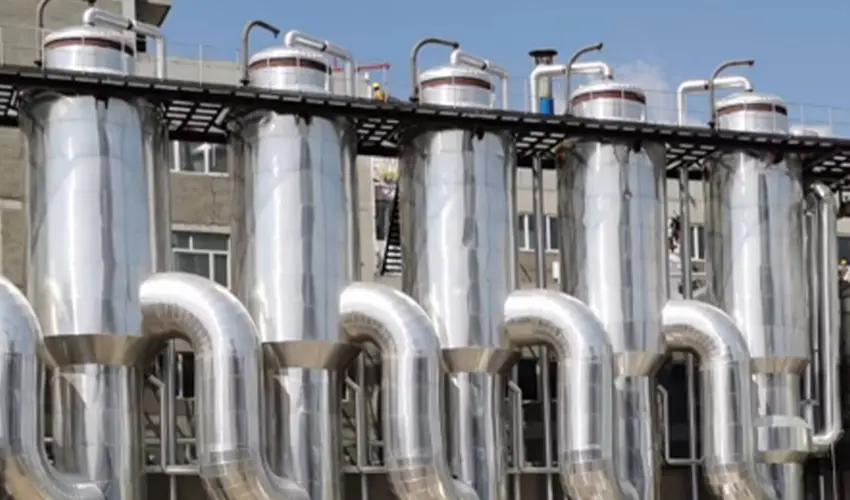
The global ethanol export market rewards producers who treat regulatory alignment not as an afterthought but as a design principle.
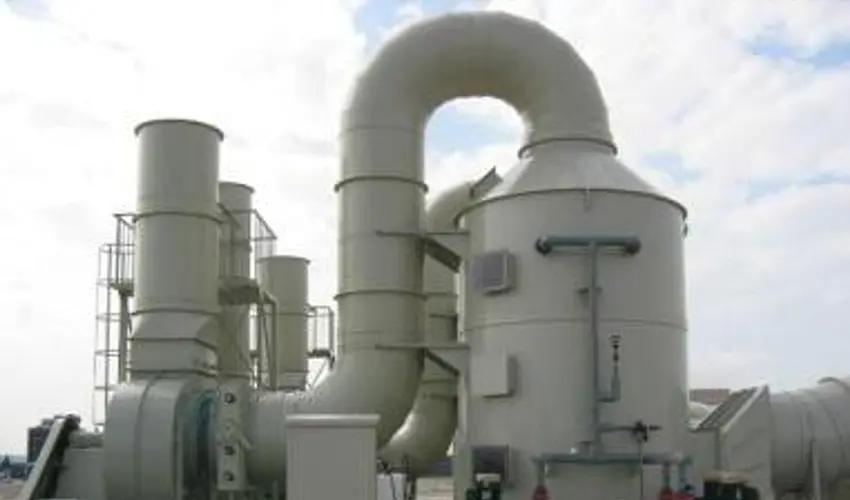
The financial case for a corn ethanol plant is rarely made or broken by ethanol spot prices alone. In nearly two decades of agricultural infrastructure planning, I have observed that the most consequential factor in payback modeling is not the sell price of ethanol but the effective monetization of what many investors treat as waste.
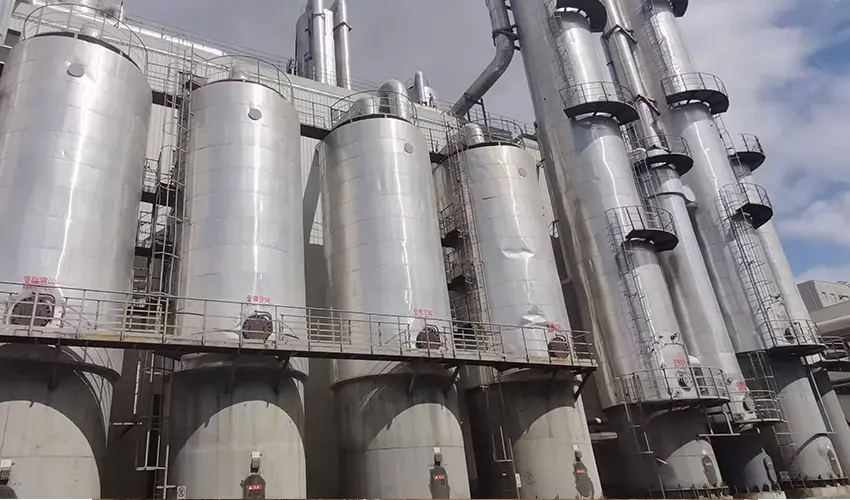
The decision between molecular sieve adsorption and azeotropic distillation for ethanol dehydration reverberates through the economics and energy profile of an entire corn-to-ethanol facility.
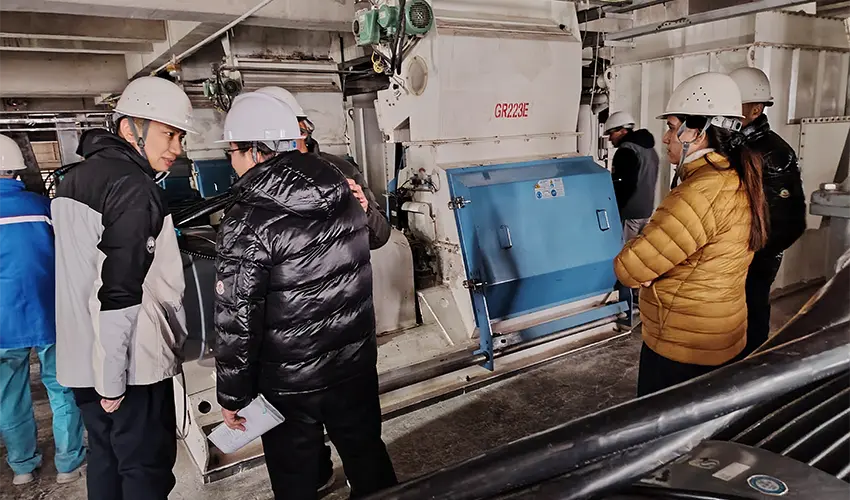
Corn ethanol plants can no longer treat sustainability as an afterthought measured in annual reports. Certification under frameworks like ISCC, RSB, or EU RED now demands that key green metrics — carbon intensity, water footprint, energy balance — are designed into the facility from the very first engineering phase.
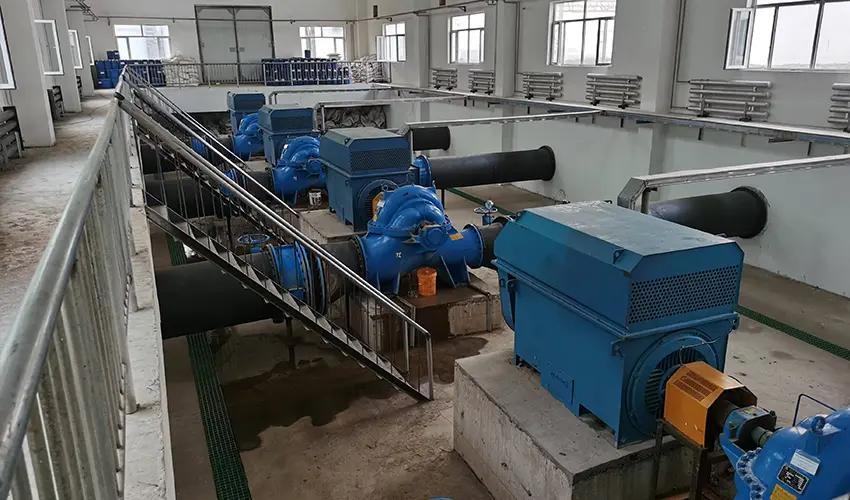
An ethanol plant that runs 24/7 yet still suffers unplanned downtime is a familiar frustration for plant managers. Ethanol plant maintenance is often treated as a reactive expense: fix it when it breaks. But preventive strategies can change that equation entirely.
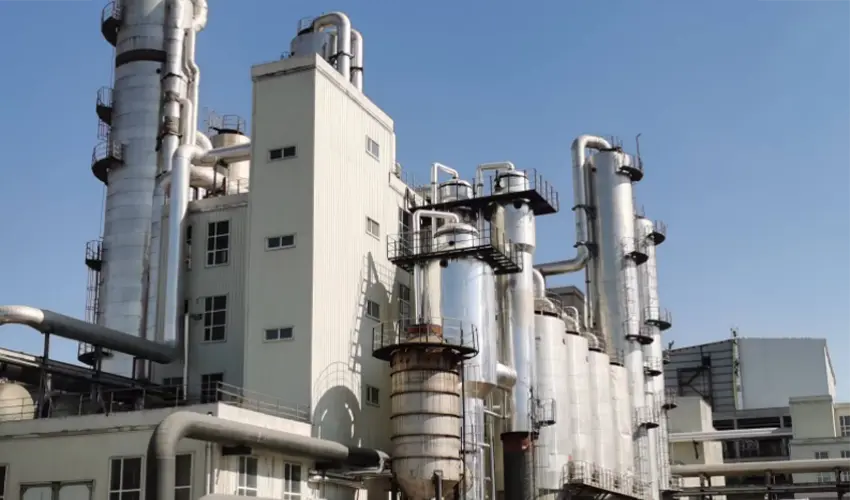
CO2 recovery from fermentation transforms a greenhouse gas liability into a high-value commercial product, but the difference between a marginal side stream and a reliable revenue line rests on how thoroughly the recovery system is integrated into the ethanol plant from the outset.
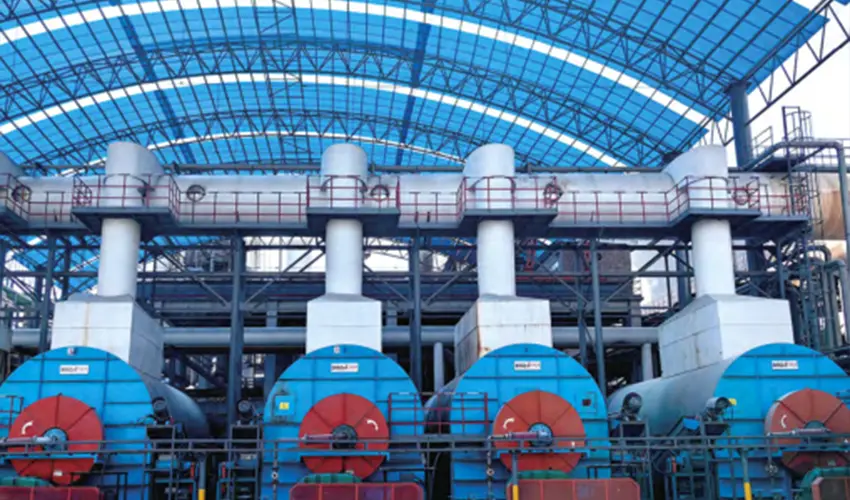
A DDGS nutrient analysis provides more than average crude protein and fat figures—it reveals a feed ingredient whose true feeding value hinges on the ethanol production processes behind it.
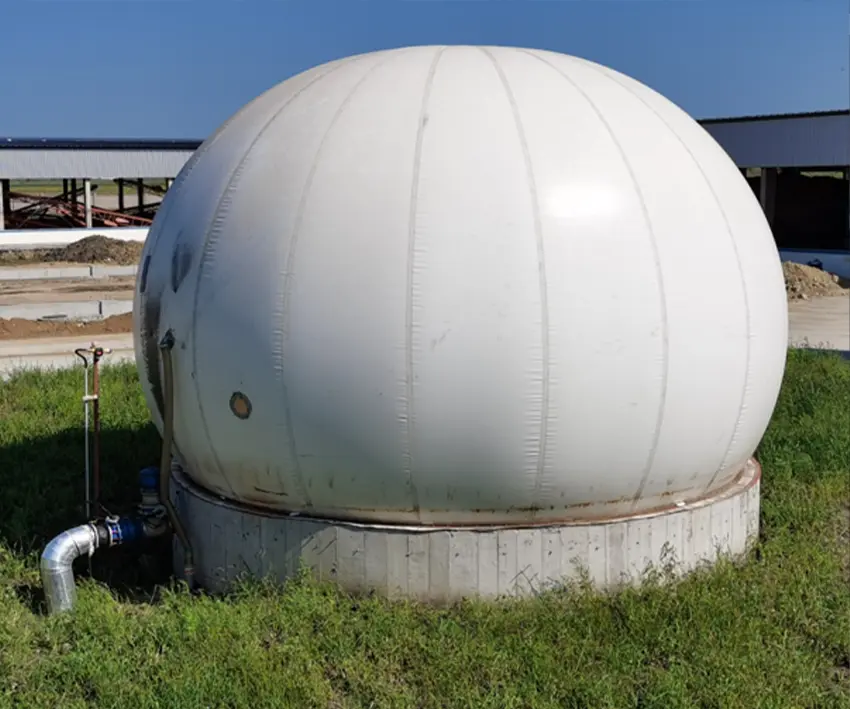
For a grain-based ethanol plant, wastewater isn’t just an environmental liability — it’s an underused energy stream. Ethanol wastewater biogas recovery through anaerobic digestion turns high-strength stillage into a renewable fuel, cutting plant energy costs and reducing discharge treatment loads.
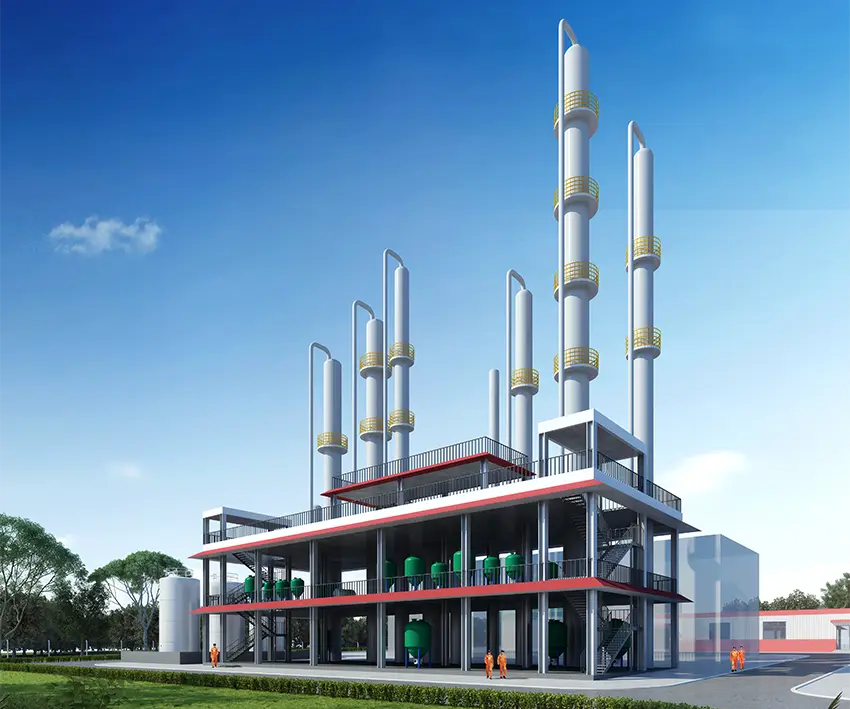
Ethanol plant automation has moved beyond simple relay logic and standalone PID controllers. Modern grain-to-fuel facilities require a unified control architecture that orchestrates feedstock handling, fermentation kinetics, distillation columns, and molecular sieve dehydration while simultaneously managing energy recovery, biogas, and DDGS byproduct streams.
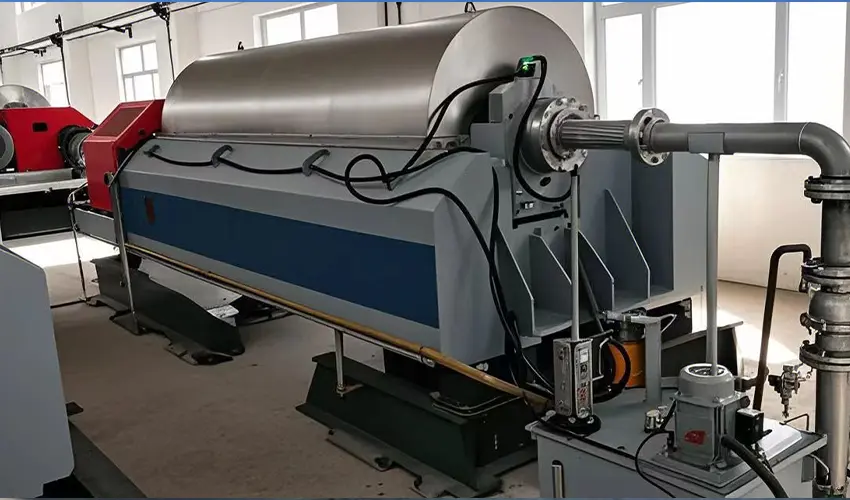
Evaluating ethanol feasibility at the project planning stage involves far more than confirming that fermentation and distillation will work. The technical capability to produce fuel ethanol from corn is well understood.
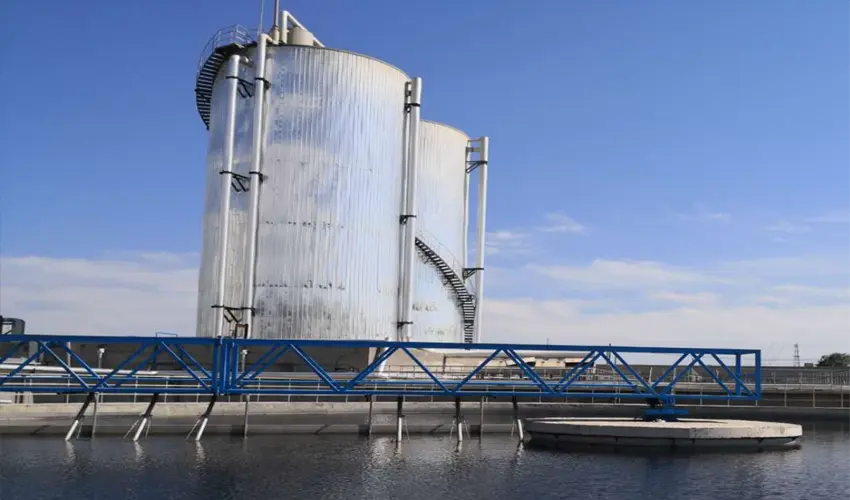
The decision to build or upgrade a corn alcohol plant ultimately hinges on selecting a technology provider that understands profitability lives in the margins beyond ethanol yield.
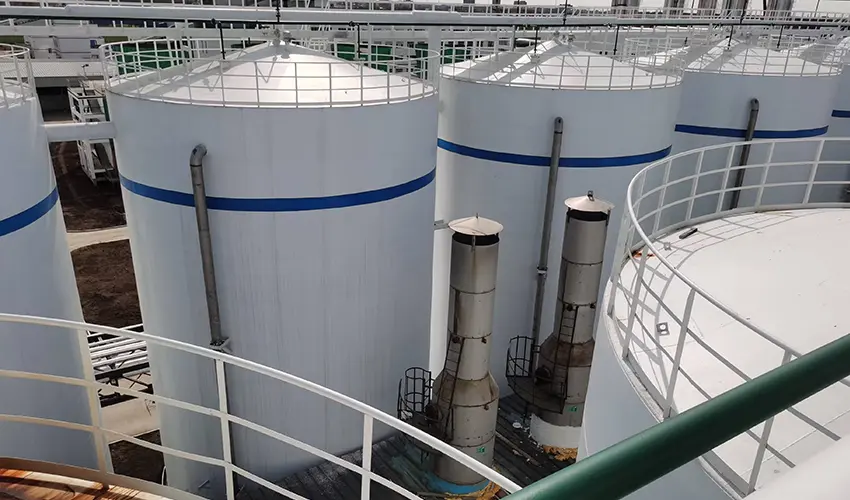
Building an anhydrous ethanol plant is a strategic investment that extends well beyond the selection of fermentation and distillation hardware.
bjhn@agrifamgroup.com