EN
Corn ethanol plants can no longer treat sustainability as an afterthought measured in annual reports. Certification under frameworks like ISCC, RSB, or EU RED now demands that key green metrics — carbon intensity, water footprint, energy balance — are designed into the facility from the very first engineering phase. During my years planning integrated grain processing facilities across Asia and South America, the plants that secured certification fastest were those where the EPC partner embedded energy cascade, water recycling, and byproduct valorization into the basic design. This article outlines the green metrics that matter, how plant design controls each one, and why a systems-level engineering approach is the only reliable path to credible certification.
A plant’s sustainability profile is distilled into a small number of quantifiable indicators that certifying bodies and regulators track. The most common are carbon intensity, water consumption per liter of ethanol, net energy balance, and the percentage of byproducts valorized rather than discarded.
Carbon intensity remains the headline number. It measures the grams of CO2 equivalent emitted per megajoule of ethanol produced, typically assessed via a life cycle analysis that includes corn farming, transportation, processing, and fuel combustion. The EU Renewable Energy Directive, for example, requires at least 50% greenhouse gas savings compared to fossil fuels for new installations, while California’s LCFS assigns a carbon intensity score that directly influences credit value.
Water footprint is equally scrutinized. A well-designed dry mill ethanol plant uses three to five liters of water per liter of ethanol, but many older plants operate at double that rate. Certifying schemes like the RSB expect progressive reduction targets and full disclosure of source, consumption, and discharge quality.
Net energy balance, the ratio of energy output in ethanol and co-products to fossil energy input, has been a contentious metric. Contemporary integrated plants achieve ratios above 2.0, meaning they produce more than double the energy they consume, largely due to energy cascade utilization and biogas recovery from thin stillage.
Several frameworks dominate international trade. ISCC EU certifies compliance with EU RED sustainability criteria covering greenhouse gas savings, land use, and traceability. The Roundtable on Sustainable Biomaterials adds social and environmental management requirements beyond carbon. U.S. plants exporting to California must comply with LCFS pathway certification, which requires detailed carbon intensity modeling and third-party verification.
Carbon intensity accounting starts with the corn field: fertilizer production, nitrous oxide emissions, and fuel use in farming. Transport to the plant and the energy consumed in grinding, liquefaction, fermentation, distillation, and dehydration all add increments. The largest carbon reductions achievable within the plant boundaries come from two design decisions: integrating a combined heat and power system that uses renewable biomass or biogas, and recovering waste heat from distillation columns to preheat process streams. In our engineering work, a properly configured energy cascade cuts thermal energy consumption by more than 25% compared to a conventional line, directly reducing carbon intensity by a corresponding margin.
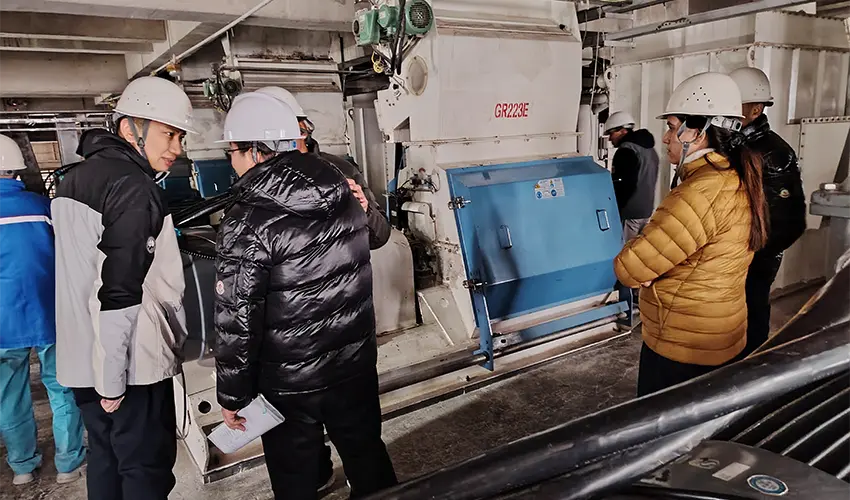
The thermal loop of an ethanol plant is not something you adjust after startup. It is locked into the engineering schematic on day one. Three integrated systems control the bulk of a plant’s energy and carbon performance: steam generation and distribution, distillation heat recovery, and the drying of byproducts.
A conventional plant burns coal or natural gas in a boiler to produce steam for liquefaction, distillation, and molecular sieve regeneration. A sustainably designed plant replaces fossil fuel with biogas from the plant’s own anaerobic digester that processes thin stillage and condensate. The biogas is burned in a high-pressure boiler, generating steam for the entire process. The additional upfront cost in biogas scrubbing and storage is typically recovered within two to three years, after which the plant operates with a dramatically lower carbon intensity and fuel cost.
Distillation is the single largest heat consumer. By installing a multi-effect evaporation scheme and mechanical vapor recompression, we recover a large fraction of the latent heat from the overhead vapor and redirect it to preheat the incoming beer feed. This cuts the steam load of the distillation train by roughly 30%. The remaining waste heat from the rectifier and stripper columns can be used to preheat corn before grinding or to warm process water, further reducing overall plant energy consumption.
If your project must meet an LCFS carbon intensity target below a certain threshold, it is worth confirming the heat integration design and biogas potential during the feasibility study stage. Reach out at bjhn@agrifamgroup.com to have our process team review your site-specific energy balance.
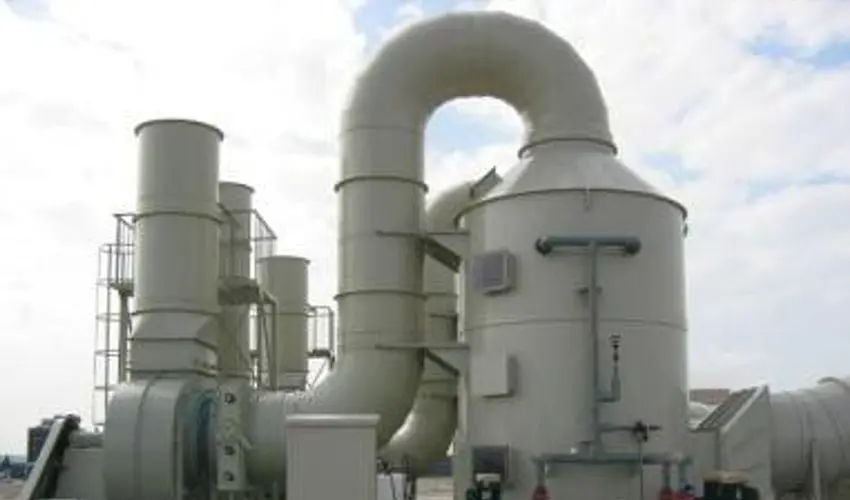
A corn ethanol plant that discharges untreated stillage and evaporative losses is leaving revenue and sustainability points on the table. The highest-performing plants today are approaching zero liquid discharge through closed-loop water circuits and comprehensive byproduct valorization.
Thin stillage from the distillation process is a high-COD stream that, if discharged, becomes a wastewater liability. Instead, it is centrifuged to recover wet cake for DDGS, while the centrifugate, backset, is recycled to the liquefaction slurry tank, reducing freshwater demand. The remaining organic load can be fed to an anaerobic digester to produce biogas, closing the loop between waste and energy. A plant handling 100,000 metric tons of corn annually can generate enough biogas to cover 40 to 60 percent of its steam demand, depending on design.
DDGS production itself contributes to the sustainability ledger. By converting what would be an environmental burden into a high-protein animal feed, the plant offsets the carbon footprint of soybean meal production. Combined with food-grade liquid CO2 recovery from the fermentation off-gas, the co-product revenue streams often equal or exceed the ethanol margin in favorable market conditions. This is the circular economy in action: corn enters, fuel, feed, CO2, and biogas leave, and nothing is wasted.
Biogas from anaerobic digestion typically contains 55 to 65 percent methane, 35 to 45 percent CO2, and trace hydrogen sulfide. After desulfurization and moisture removal, it can be burned directly in a dual-fuel boiler. Every cubic meter of biogas displaces roughly 0.6 cubic meters of natural gas equivalent. When biogas replaces coal, the carbon intensity reduction is even larger, on the order of 80 to 90 grams CO2 equivalent per megajoule of ethanol, which can push a plant’s overall life cycle analysis result from borderline to fully compliant.
Beyond the environmental credits, DDGS consistently sells at 85 to 105 percent of the price of corn, depending on protein content and local feed markets. Food-grade CO2, after purification and liquefaction, sells to beverage, greenhouse, and dry ice applications. In a recent project concept we evaluated, the combined DDGS and CO2 revenue accounted for 22 percent of total plant revenue, directly improving the project’s internal rate of return by several percentage points.
Certification is not a one-time event; it requires annual audits and continuous demonstration of compliance. Plant-wide automation and a centralized digital management platform are indispensable for this.
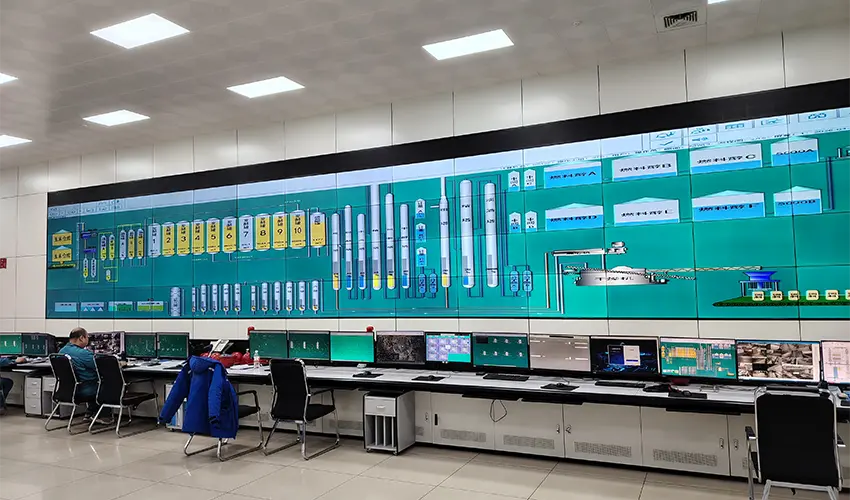
Modern ethanol plants deploy distributed control systems that collect real-time data from every unit operation: steam flow meters, electricity meters, water usage sensors, biogas flow, and product quality analyzers. The system aggregates this data into a historian that calculates daily and monthly carbon intensity, water intensity, and energy balance automatically. When an auditor arrives, the plant provides a verified, time-stamped log that covers the entire reporting period rather than a spreadsheet assembled at the last minute.
AGRIFAM’s integrated solution includes an intelligent control platform that monitors these metrics and alerts operators if any parameter drifts outside the certification envelope. The same platform supports energy cascade optimization modules that continuously adjust heat exchanger bypass flows and biogas blend ratios to minimize fossil fuel consumption. This turns sustainability from a compliance exercise into a live operating strategy.
Certifiers like ISCC and RSB require monthly mass balance accounts, greenhouse gas calculations for every batch, water consumption records, and documentation of byproduct disposition. They also audit the origin of corn feedstock to ensure deforestation-free supply. A well-designed digital management platform links directly to grain receiving and inventory systems, enabling traceability back to the farm gate without manual reconciliation.
The thread running through every metric is that isolated technology implementations rarely achieve consistent certification results. The plants that succeed are those designed as a single integrated system, grain intake to product dispatch, with every process loop connected and every energy stream cascaded.
AGRIFAM’s alcohol production solution applies the “corn, food, energy, feed” circular model. From optimal corn storage and purification to advanced continuous fermentation, multi-column distillation, molecular sieve dehydration, and full byproduct recovery, the entire chain is conceived as one engineering package. Key design choices — the biogas scrubbing train, the MVR system, the water recycle network, the DCS architecture — are specified together, not added later. This is what enables the 25 percent energy consumption reduction and 100 percent byproduct utilization that our reference plants achieve.
This integrated approach also shortens the timeline from construction to certification. When the certifier reviews the basic engineering package at the quarter-way stage, they can see that all material and energy balances are configured to meet the required sustainability thresholds. The alternative, iterating on individual equipment suppliers, often adds months of uncertainty and compliance risk.
Meeting the green metrics that fuel ethanol buyers and regulators now demand is not a matter of adding a biogas unit or a water recycling loop to a standard plant design. It requires a holistic engineering framework that treats carbon intensity, water footprint, and energy efficiency as core design parameters from the first process flow diagram. If you are planning a new corn ethanol facility or upgrading an existing one to meet ISCC, RSB, or LCFS standards, our engineering team can work with you to develop a design basis that targets your specific certification benchmarks. Send your production capacity, feedstock availability, and target certification scheme to bjhn@agrifamgroup.com or call 010-8591 2286, and we will prepare a preliminary process configuration and sustainability projection.
Once the plant is fully commissioned and producing at capacity with stable operations, the certification audit process generally takes three to six months, including documentation review, site visit, and corrective actions. The groundwork begins during engineering design: by submitting the process flow diagrams, mass balance, and energy balance to the certifier at an early stage, we can pre-qualify the plant’s compliance pathway and reduce post-startup audit time by several months.
Yes, but the feasibility depends on the current plant layout, available space, and existing utilities. Retrofitting typically involves adding a biogas recovery system, upgrading the distillation heat integration, installing water recycle loops, and implementing a DCS platform for data tracking. The most cost-effective approach is to audit the existing energy and mass balance first, then target the two or three modifications with the largest sustainability impact. We have helped plants upgrade from zero certification to ISCC EU compliance within 12 to 18 months post-retrofit.
The incremental capital expenditure for a sustainably engineered plant, including biogas recovery, enhanced heat integration, zero liquid discharge system, and advanced digital controls, ranges from 10 to 18 percent above a baseline plant. The operational savings from reduced fuel consumption, lower water purchases, and co-product revenue typically recover this premium within three to five years. When factoring in the higher ethanol price and carbon credit revenue available for certified product, the net present value often exceeds that of a conventional plant.
Certification bodies understand that agricultural feedstock variability and seasonal conditions cause fluctuations. Most schemes operate with a margin band, typically plus or minus 10 percent on key metrics, and require a corrective action plan if deviations persist. A well-integrated DCS platform continuously tracks performance against benchmarks and provides early warning, so you can adjust blending ratios, boiler fuel mix, or process setpoints before a deviation becomes a non-compliance. Share your requirements and we will confirm the compliance documentation availability and adaptive control strategy suitable for your region.
If you’re interested, check out these related articles:
Driving Global Food Conservation Through Technological Innovation







bjhn@agrifamgroup.com