EN

Building High-Quality China-Africa Cooperation Together – President of Zimbabwe Witnesses AGRIFAM Signing Ceremony


Deepening China-Nigeria Agriculture and Livestock Cooperation to Forge a Blueprint for Food Security – Nigerian Ambassador to China Visits AGRIFAM Huinong for Exchange and Inspection


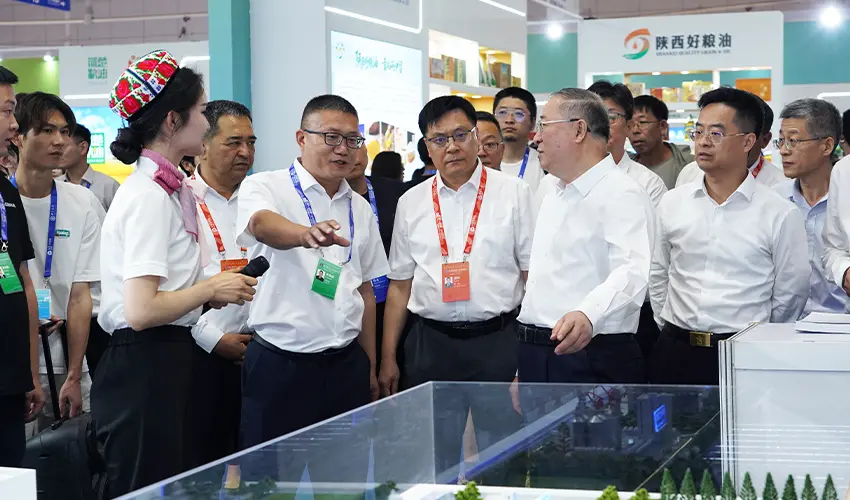
Deepening Industrial Cooperation, Jointly Safeguarding Food Security along the Silk Road – AGRIFAM Huinong Makes Its Debut at the 9th China–Eurasia Expo
![[Integrated Intelligent Breeding, Green Circular Farming-Livestock Integration] Demonstration Project for Breeding Ten Thousand Dairy Cows in Yunlong County, Yunnan](upfiles/202505280930471580084962.jpg)
The Ten Thousand Cattle Farm Project in Yunlong County, Yunnan, jointly developed by Sinohydro Bureau 14 Co., Ltd., PowerChina Northwest Engineering Corporation Limited, and Agrifam Co., Ltd. for Dali Prefecture State-owned Capital Investment and Operation (Group) Co., Ltd., covers an area of 910 acres and is expected to produce approximately 200 tons of fresh milk daily when fully stocked.

The 24th Expodireto Cotrijal International Agribusiness Fair (hereinafter referred to as the Expodireto Cotrijal) was held from March 4th to 8th (local time) in Rio Grande do Sul, Brazil, and was hosted by the state government of Rio Grande do Sul. As the largest Chinese enterprise in the international exhibition area, AGRIFAM made a splendid appearance at this Expodireto Cotrijal International Agribusiness Fair.
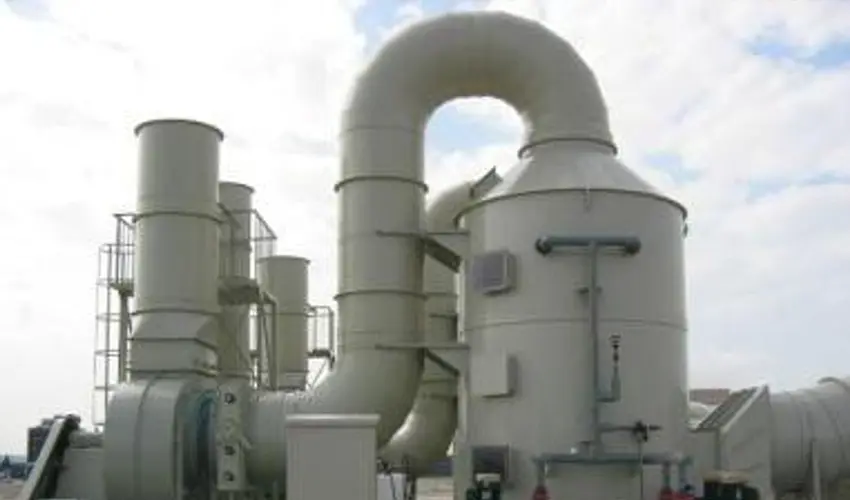
Biogas utilization in alcohol plants changes the way a distillery accounts for wastewater. Instead of treating high-COD effluent as a disposal cost, the plant processes it through anaerobic digestion and recovers methane-rich gas that can offset boiler fuel.
A fire in a corn ethanol plant does not stay local for long. Ethanol is a polar solvent that mixes with water, and corn dust from milling and drying forms a separate explosion hazard.
Corn ethanol energy balance is not a single number. It is a system result that changes with the boundary a study draws, the coproducts it credits, and the way an individual plant manages steam, electricity, and stillage.
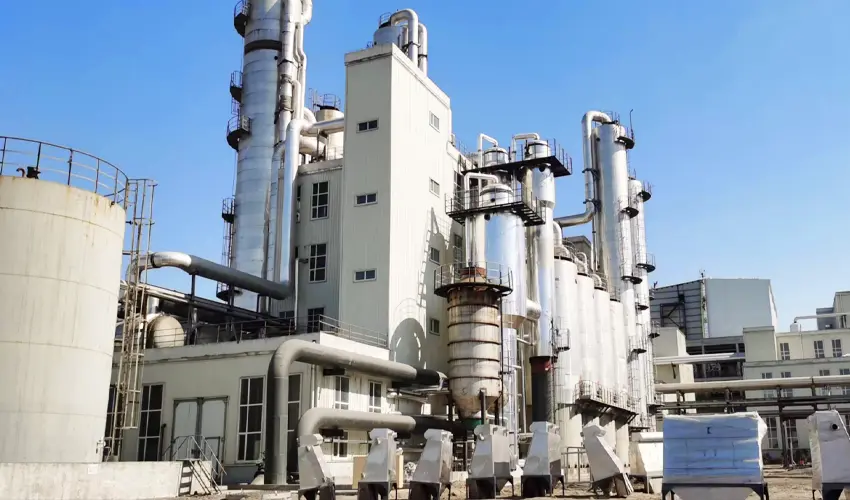
Ethanol plant instrumentation determines whether a facility runs at design yield or slowly gives away margin through steam, product, and downtime.
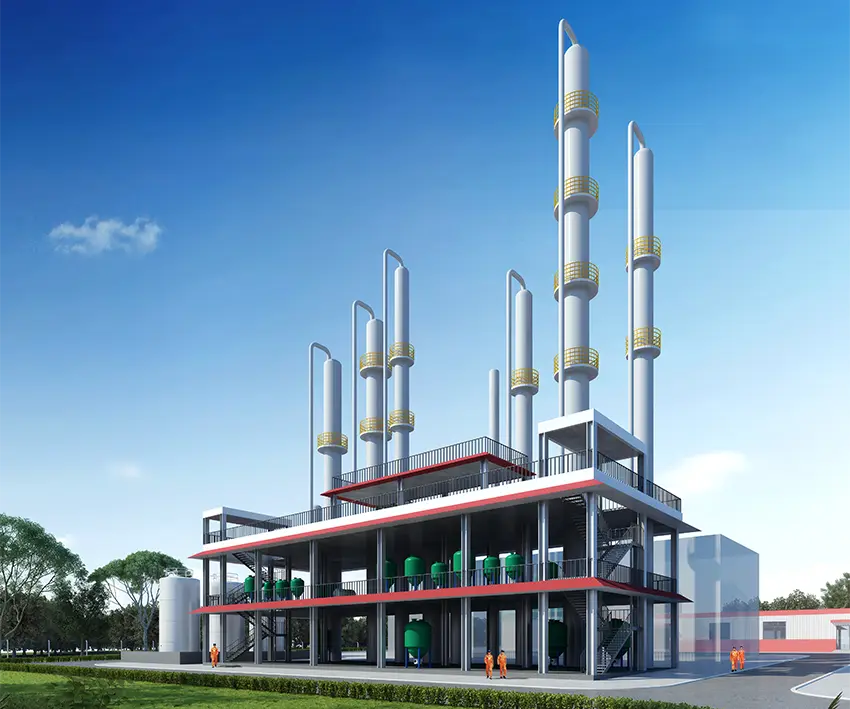
Fuel ethanol denaturant compliance is a procurement and plant design issue more than a blending afterthought. A fuel ethanol plant may produce anhydrous ethanol that meets every distillation and dehydration specification, yet fail a fuel shipment because the denaturant package was wrong or poorly documented.
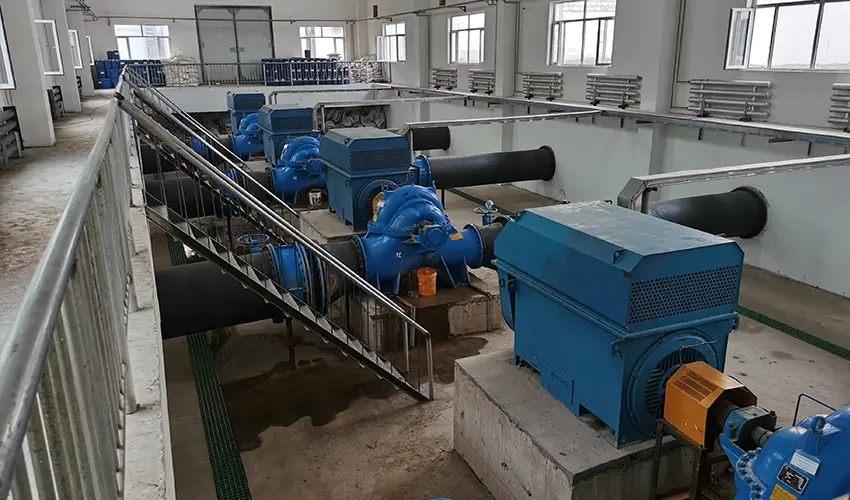
An ethanol plant CIP system that enters the design conversation after vessels are specified will create recurring downtime. In corn ethanol processing, sugars, yeast, organic acids, and fusel oils deposit inside fermentation tanks, columns, reboilers, and product lines.
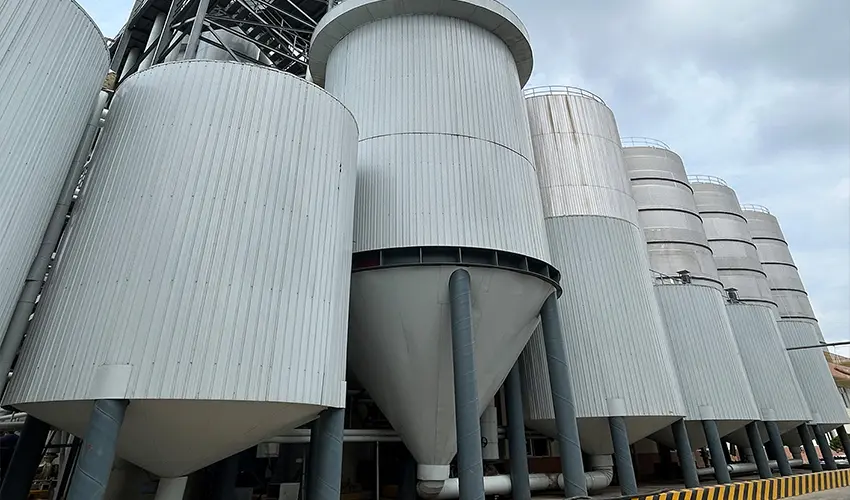
Corn flour for alcohol production succeeds or fails on two physical properties that many process guides treat as purchasing notes: particle size distribution and controlled moisture.
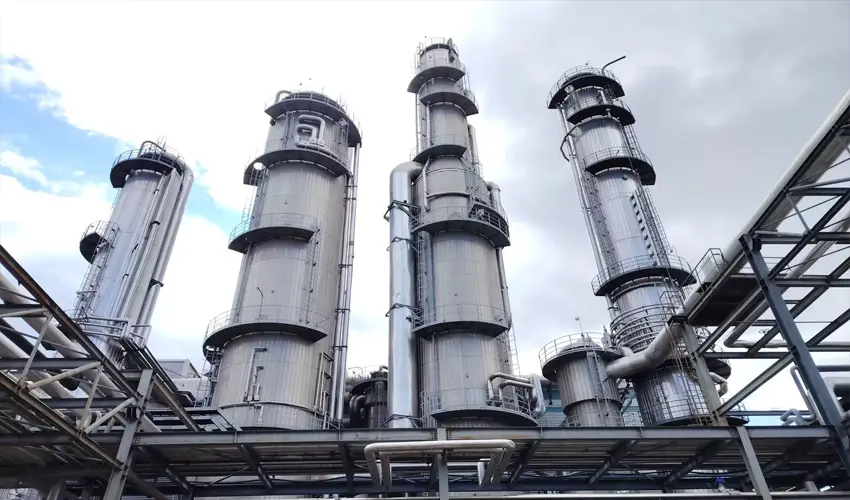
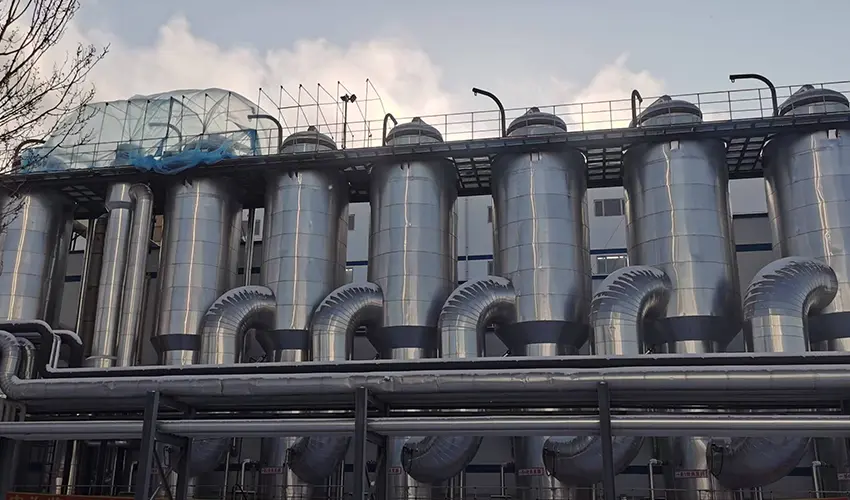
An ethanol rectification column is not a standalone filter; it is the control point where an alcohol plant earns or loses product quality and steam efficiency.
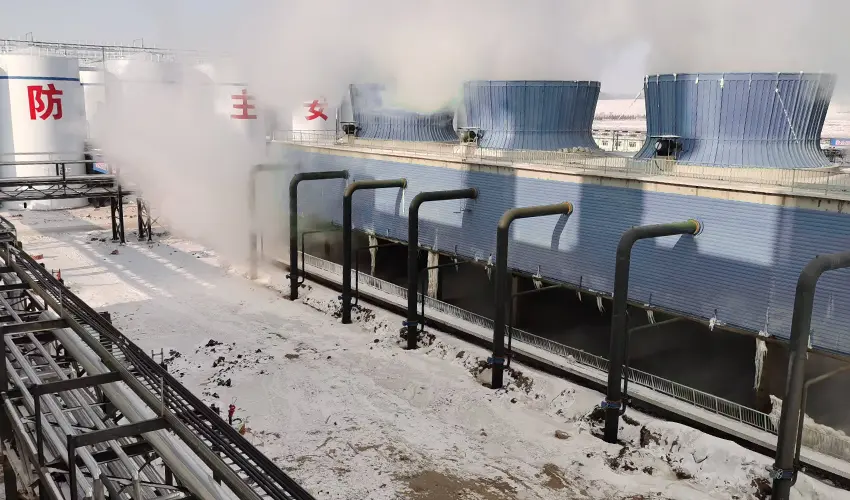
Most corn ethanol water footprint assessments begin with a single aggregated number that hides more than it reveals. Water does not disappear uniformly across a plant; it concentrates in cooling, mashing, fermentation, and distillation.
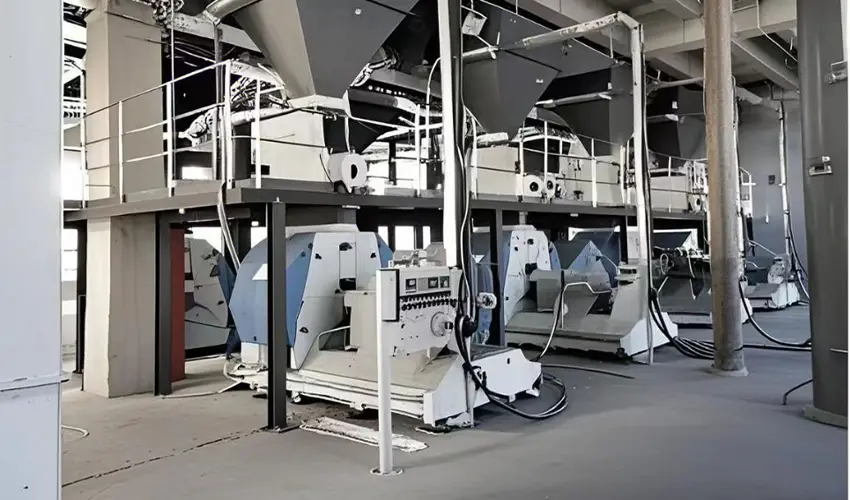
Most ethanol plant schedules fail before the first fermenter is charged. The equipment is installed, the instruments are wired, but the startup sequence still has gaps that only appear when steam, grain, and yeast meet under load.
bjhn@agrifamgroup.com