EN
Industrial biorefineries face mounting pressure to optimize thermal efficiency and raw material conversion as global demand for high-purity biofuels escalates. In modern anhydrous alcohol production, selecting the optimal front-end milling methodology represents a foundational decision that dictates downstream fermentation kinetics and overall plant profitability. While traditional dry grinding remains the industry baseline due to its low initial capital requirements, advanced semi-dry fractionation techniques offer a compelling alternative by separating non-fermentable components prior to liquefaction. This technical comparison examines how dry and semi-dry milling methods influence starch yield, energy consumption, and co-product value in commercial operations.
In standard corn alcohol manufacturing, the dry milling process represents a highly integrated, high-throughput pathway designed to process the entire grain kernel. The process begins with grain receiving and cleaning, where corn purification equipment, including rotary screens, magnetic separators, and aspirators, removes foreign materials to protect downstream machinery. Once cleaned, the whole corn kernel undergoes corn crushing for ethanol using high-speed hammer mills or roller mills to achieve a specific particle size distribution. This mechanical reduction is critical; if the grind is too coarse, starch extraction suffers, whereas an excessively fine grind increases mash viscosity and complicates solid-liquid separation.
Following size reduction, the corn flour is mixed with process water and backset to form a slurry. This slurry enters the starch liquefaction saccharification stage. Here, alpha-amylase enzymes break down the gelatinized starch into short-chain dextrins under high-temperature jet cooking conditions. After cooling, glucoamylase enzymes further hydrolyze these dextrins into fermentable glucose. The resulting mash is then pumped into the alcohol fermentation process, where Saccharomyces cerevisiae yeast converts the sugars into ethanol and carbon dioxide over a typical 48 to 72 hour cycle.
Because the entire kernel passes through the fermentation tanks, the yeast must operate in a high-solids environment containing non-fermentable fiber, germ, and protein. This presence of suspended solids increases the viscosity of the fermenting mash, which raises the electrical load on agitators and limits the maximum starch loading capacity. The bioethanol production equipment must handle these abrasive solids, leading to higher maintenance requirements on pumps, heat exchangers, and distillation trays. Despite these operational challenges, the simplicity of the dry grind process makes it the dominant choice for conventional fuel ethanol production facilities globally.
To overcome the limitations of fermenting whole grain solids, advanced grain deep processing technology utilizes semi-dry milling, also known as dry fractionation, to separate the corn kernel into its constituent parts before any water is introduced to the starch. This process begins by tempering the cleaned corn with a small amount of steam or water, adjusting the grain moisture content to approximately 15% to 22%. This controlled moisture addition softens the tough outer pericarp (bran) and increases the elasticity of the oil-rich germ, while leaving the starch-heavy endosperm relatively hard and brittle.
The tempered kernels then pass through specialized degermination machinery, such as vertical friction degermers. This equipment strips the bran and detaches the germ from the endosperm without shattering the germ structure. Sifting tables, gravity separators, and aspiration systems then isolate three distinct streams: a high-purity starch endosperm grit, an oil-rich germ fraction, and a fiber-rich bran fraction. Only the purified endosperm grits are ground into flour and sent to the slurry tank for liquefaction and fermentation.
By removing the non-fermentable germ and fiber upfront, the starch concentration in the fermentation feed increases significantly. This clean starch feed permits a higher solids loading in the liquefaction stage, which directly optimizes the volumetric efficiency of the continuous fermentation technology. Yeast cells ferment the purified glucose mash with fewer physical obstructions and lower osmotic stress, resulting in faster fermentation rates and higher final ethanol concentrations in the beer well.
When the fermented beer enters the ethanol distillation process, the absence of bulky fiber and germ solids reduces fouling in the distillation column design ethanol. The resulting crude alcohol, concentrated to 95% purity, is then directed to a molecular sieve dehydration unit. This system utilizes temperature swing adsorption or pressure swing adsorption (PSA) technology to remove the remaining water, yielding fuel grade ethanol with a purity exceeding 99.5% (V/V). The high-purity anhydrous ethanol meets the stringent standards required for fuel blending, pharmaceutical formulations, and industrial solvent applications.
The choice between dry and semi-dry milling methods directly dictates the thermal and mechanical energy balance of the entire manufacturing plant. In a conventional dry grind facility, the presence of all kernel solids throughout the process increases the volume of thin stillage that must be evaporated to produce DDGS. This evaporation process is highly steam-intensive, often consuming more than 40% of the plant’s total thermal energy.
In contrast, a semi-dry milling facility removes the germ and fiber before liquefaction, reducing the mass of non-fermentable solids entering the distillation and evaporation stages by up to 30%. With fewer solids to heat, pump, and dry, the plant achieves a significant reduction in steam consumption. To maximize these savings, modern facilities integrate an energy cascade utilization scheme. This system captures low-grade vapor from the distillation columns to preheat the incoming mash, while a waste heat recovery ethanol system reclaims thermal energy from the dryer exhaust to preheat boiler feed water.
The following table compares the operational parameters and energy profiles of these two milling methods in a standard commercial facility:
| Operational Parameter | Conventional Dry Milling | Semi-Dry Milling (Fractionation) |
|---|---|---|
| Front-End Tempering Requirement | None (direct dry grinding) | 15% to 22% moisture adjustment |
| Starch Damage during Crushing | High (mechanical and thermal stress) | Low (cushioned by moisture tempering) |
| Fermentation Mash Viscosity | High (due to suspended fiber and germ) | Low (mainly dissolved starch and protein) |
| Distillation Column Fouling Rate | High (requires frequent CIP cycles) | Low (minimal solid deposition) |
| Evaporator Steam Load | High (large volume of thin stillage) | Low (reduced stillage volume) |
| Primary Starch Conversion Rate | 90% to 92% (whole kernel access) | 88% to 91% (some starch stays with germ) |
While the corn to ethanol conversion rate per bushel of raw grain is slightly higher in conventional dry milling (as some starch inevitably remains bound to the separated germ and fiber fractions in semi-dry systems), the semi-dry method compensates for this with superior ethanol plant energy efficiency. By operating with a lower solids load, the plant reduces its overall steam demand within the ethanol plant steam system and lowers the thermal load on the ethanol cooling system. This thermodynamic optimization translates directly into lower operating costs and a highly competitive corn ethanol ROI.
If your situation involves configuring a new biorefinery or upgrading an existing facility, it is worth discussing the front-end grain separation parameters with an experienced engineering partner before committing to a specific milling technology.
Beyond the primary yield of anhydrous ethanol, the financial viability of modern biorefineries relies heavily on high-value ethanol byproduct utilization. The milling method selected determines the composition, quality, and market value of these co-products, directly shaping the facility’s circular economy ethanol model.
In conventional dry milling, the residue left after distillation is dried to produce standard DDGS protein feed, which typically contains 28% to 30% crude protein. While valuable, this feed contains high levels of fiber and fat, which restricts its use primarily to ruminant diets. Additionally, the corn oil recovered from the thin stillage post-fermentation has a high concentration of free fatty acids, limiting its market application to biodiesel production.
Conversely, semi-dry milling establishes a closed loop alcohol production framework that yields superior co-products. Because the germ is separated before fermentation, the extracted corn oil has extremely low free fatty acid levels, qualifying it for high-value human food applications. The remaining high-protein spent grains are dried to produce high-protein DDGS (HP-DDG), which boasts a protein content of 40% to 50%. This low-fiber, high-protein feed commands a premium price because it is highly digestible for non-ruminant livestock, such as poultry and swine.
Additionally, both milling methods permit the capture of carbon dioxide generated during the yeast metabolism phase. By routing the fermentation exhaust through water scrubbers and liquefaction units, the plant produces food grade liquid CO2 for the beverage and food preservation industries. The plant’s environmental footprint is further minimized by directing the ethanol plant wastewater to anaerobic digesters. This process generates biogas, which is recycled back to the plant’s boilers, reducing fossil fuel dependence and securing a highly sustainable industrial ecosystem.
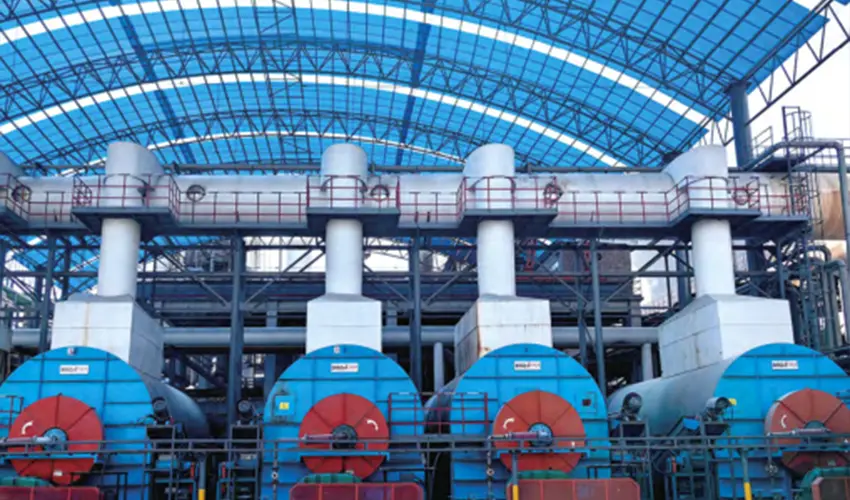
Real-world engineering data highlights the practical performance differences between these milling systems in large-scale industrial operations. As an agricultural industry chain strategist, I have monitored the operational metrics of several major corn deep processing installations globally, where the choice of milling technology directly influenced the plant’s long-term financial performance.
During our engineering work on the corn ethanol project Bolivia, AGRIFAM designed and commissioned a turnkey fuel ethanol facility. In this project, the client selected a dry milling process configuration to minimize initial capital expenditure. To optimize this setup, our engineering team integrated an advanced ethanol plant control system based on distributed control system (DCS) architecture. This digital platform monitors mash viscosity and enzyme dosage in real time, mitigating the typical fouling issues associated with whole-kernel processing. The Bolivian facility achieved its design capacity ahead of schedule, demonstrating that a well-engineered dry grind plant can deliver high efficiency when paired with modern automation.
In contrast, during our involvement in a major fuel ethanol project China, located in the grain-producing hub of Heilongjiang, the plant design utilized a semi-dry fractionation system. The facility was designed to produce high-purity fuel-grade ethanol while maximizing the value of co-products for the regional feed industry chain. By implementing semi-dry milling, the plant successfully separated high-purity germ and fiber before fermentation. This front-end separation reduced the thermal load on the distillation columns and evaporators, resulting in a 25% reduction in steam consumption per liter of anhydrous alcohol produced.
In addition, the Heilongjiang facility utilized an ethanol plant digital management platform to track the mass balance of starch, germ, and protein across the separation tables. This real-time tracking guaranteed that the starch content in the endosperm grits remained above 85%, while the oil recovery in the germ fraction exceeded 90%, aligning with our broader mission of Driving Global Food Conservation Through Technological Innovation. For facilities integrating starch and biofuel manufacturing, our corn starch processing solution delivers a highly efficient closed-loop model. The high-protein DDGS produced by the plant was immediately absorbed by local poultry farming operations, proving the economic viability of the dry fractionation model in grain-rich regions.
Selecting between dry and semi-dry milling is not merely a process decision; it is a long-term financial commitment that requires deep engineering expertise. A successful turnkey ethanol project demands an experienced ethanol production line supplier capable of integrating front-end grain handling, advanced milling, fermentation, distillation, and downstream dehydration into a single, cohesive system.
At AGRIFAM, we deliver integrated corn ethanol plant engineering solutions tailored to the specific raw material characteristics, energy costs, and co-product market dynamics of each client. Our fuel ethanol alcohol production solution covers the entire project lifecycle, from initial feasibility studies and civil engineering to equipment manufacturing, installation, and commissioning. We design our plants with a focus on resource conservation, integrating advanced ethanol production water treatment systems that recycle up to 90% of process water, thereby minimizing the environmental impact and reducing operating costs.
Whether your facility targets high-volume fuel ethanol production using a simplified dry grind process, or seeks to maximize co-product value through a sophisticated semi-dry fractionation system, our engineering team possesses the technical capability to execute your vision. We assist you in balancing initial capital expenditure against long-term operational savings to secure the highest possible return on investment.
Biorefinery operators often struggle with high energy costs, volatile grain prices, and low-value by-products that erode operating margins. AGRIFAM resolves these challenges by designing highly efficient, closed-loop production systems that maximize the value of every grain. To discuss how our custom process configurations can optimize your production efficiency and strengthen your market competitiveness, contact our engineering team today at bjhn@agrifamgroup.com or call us at 010-8591 2286.
MDPI Foods — Effects of Milling Methods on Chemical Properties of Corn Flour, 2024
AGRIFAM Co., Ltd. — Fuel Ethanol and Grain-Based Alcohol Production Solutions, 2026
In conventional dry grinding, the entire corn kernel is crushed and processed, which maximizes the exposure of all starch granules to enzymatic hydrolysis. This method typically achieves a slightly higher initial starch conversion rate. In contrast, semi-dry milling separates the germ and fiber before fermentation, which can lead to a small portion of starch remaining bound to the separated fractions. However, the semi-dry method compensates for this minor yield reduction by significantly increasing fermenter throughput and lowering downstream energy consumption during the distillation process.
Traditional dry milling processes yield standard DDGS containing high fiber and moderate protein, which is primarily suitable for ruminant feed. Semi-dry milling, or dry fractionation, removes the fibrous pericarp and oil-rich germ prior to fermentation. Consequently, the resulting DDGS protein feed, often referred to as high-protein DDGS, contains up to 50% crude protein and significantly lower fiber. This premium feed is highly digestible, making it an excellent nutritional source for non-ruminant livestock such as poultry and swine.
The optimal milling method depends on regional market dynamics and utility costs. While conventional dry milling requires lower initial capital expenditure, it incurs higher thermal operating costs due to the evaporation of large volumes of thin stillage. Semi-dry milling requires a higher upfront investment for fractionation equipment but delivers superior long-term profitability by producing high-value food-grade corn oil and high-protein feed. For a detailed financial analysis tailored to your regional grain prices and energy costs, our team is prepared to assist you in evaluating your corn ethanol ROI.
If you’re interested, check out these related articles:
Driving Global Food Conservation Through Technological Innovation







bjhn@agrifamgroup.com