EN

Building High-Quality China-Africa Cooperation Together – President of Zimbabwe Witnesses AGRIFAM Signing Ceremony


Deepening China-Nigeria Agriculture and Livestock Cooperation to Forge a Blueprint for Food Security – Nigerian Ambassador to China Visits AGRIFAM Huinong for Exchange and Inspection


Deepening Industrial Cooperation, Jointly Safeguarding Food Security along the Silk Road – AGRIFAM Huinong Makes Its Debut at the 9th China–Eurasia Expo
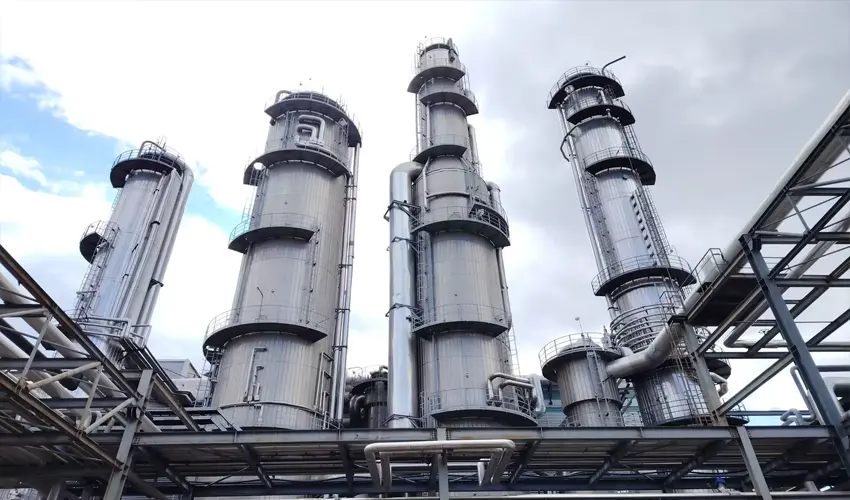
The corn alcohol industry has moved beyond simply converting starch into ethanol. Today, the focus is on engineering integrated systems that turn every kernel and every joule into revenue.

Setting up a bioethanol factory is not a matter of buying fermenters and distillation columns. It is the integration of grain handling, advanced bioprocessing, energy management, and by-product monetization into a single, efficient system that works profitably across market cycles. The journey moves from feedstock security and site feasibility through technology configuration, plant engineering, and circular economy design.
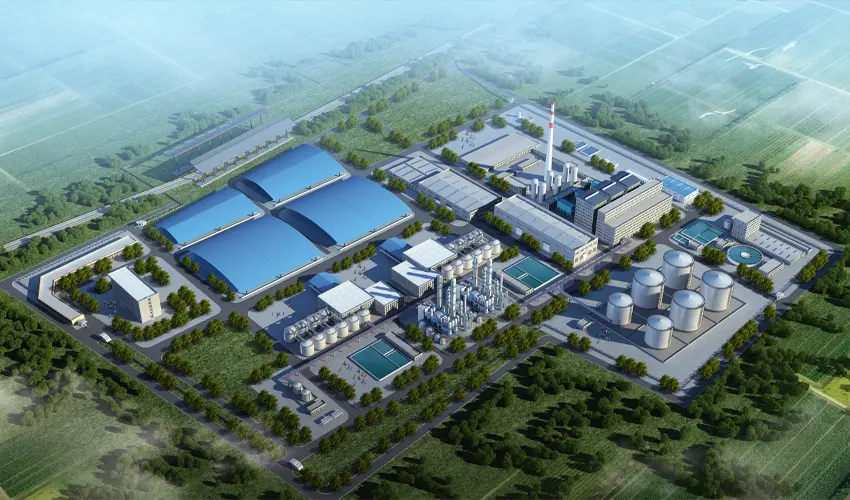
Finding an ethanol plant for sale can feel like searching for a missing puzzle piece in a complex agricultural landscape. Most listings present isolated equipment packages, but a turnkey corn alcohol production facility is fundamentally different when designed as an integrated node in a broader food-energy-feed system.
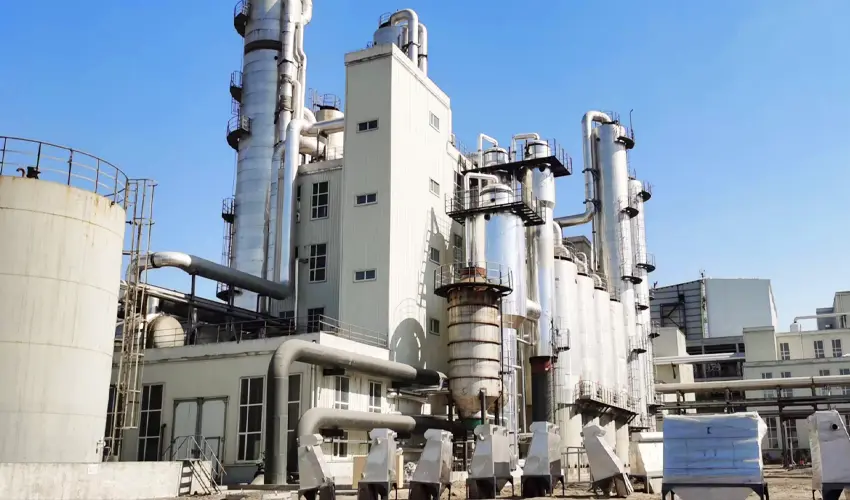
Corn-based alcohol production in China’s northeastern grain belt faces a specific challenge: how to build a plant that matches regional feedstock advantages with the energy and environmental standards expected in modern industrial projects.
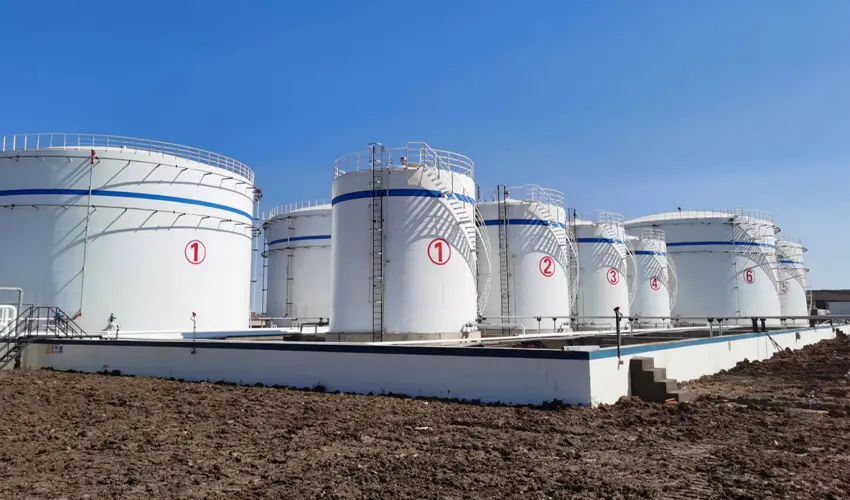
Most fuel ethanol project analyses in China stay at the policy or market forecast level, missing the operational decisions that determine whether a plant meets its nameplate capacity within budget.
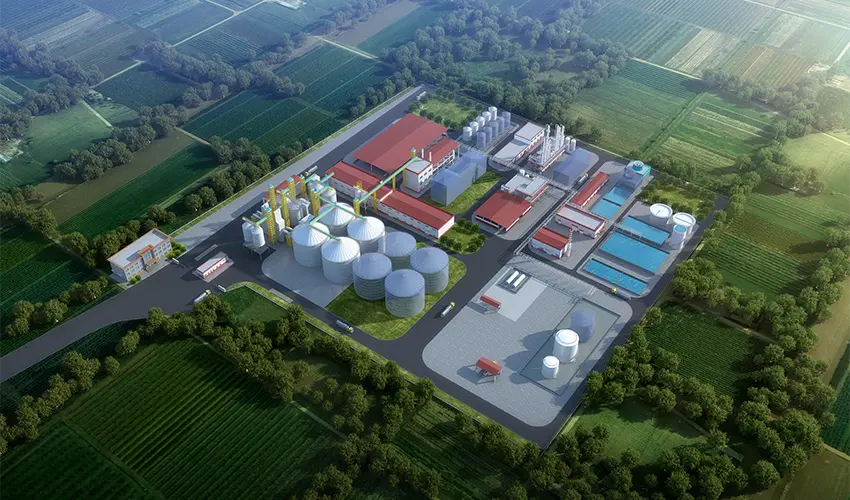
Corn ethanol projects in Bolivia succeed when designed as integrated agricultural value chains, because byproduct valorization and local feedstock integration turn a fuel plant into a sustainable economic engine.
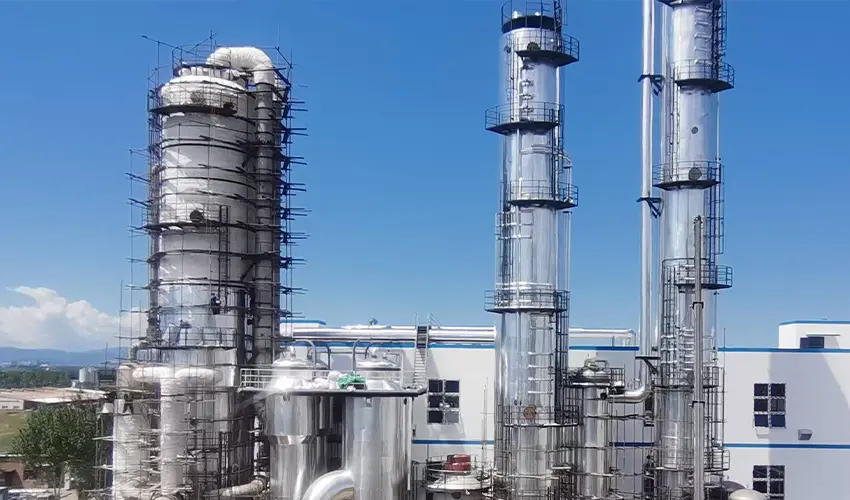
Selecting the right molecular sieve dehydration unit is one of the most consequential equipment decisions in an anhydrous ethanol plant.
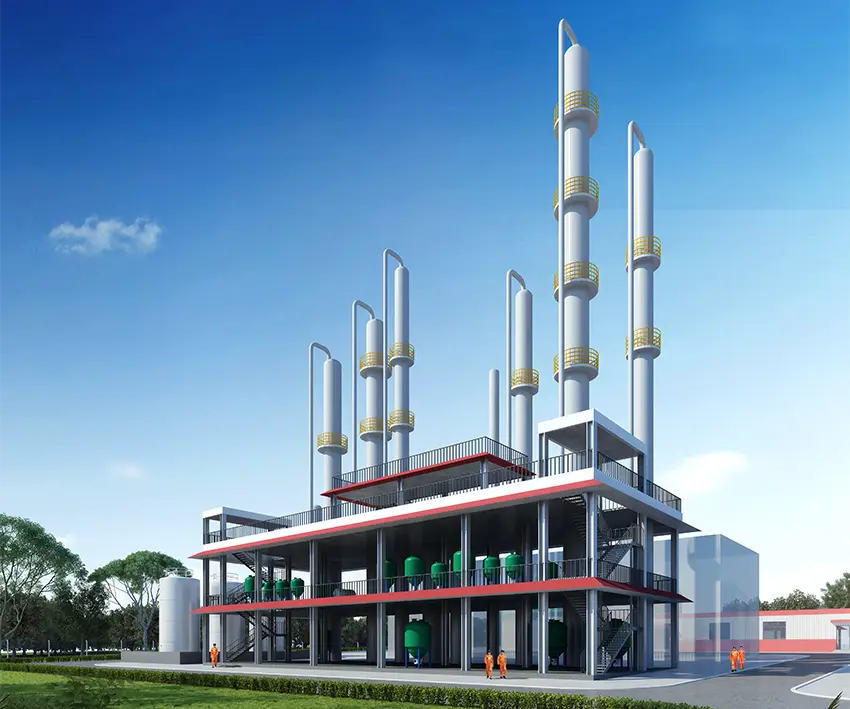
Ethanol distillation column specifications influence far more than final ethanol purity. The column’s diameter, tray configuration, and operating pressure directly shape the entire plant’s steam demand, by-product quality, and ability to switch between fuel-grade and industrial alcohol.
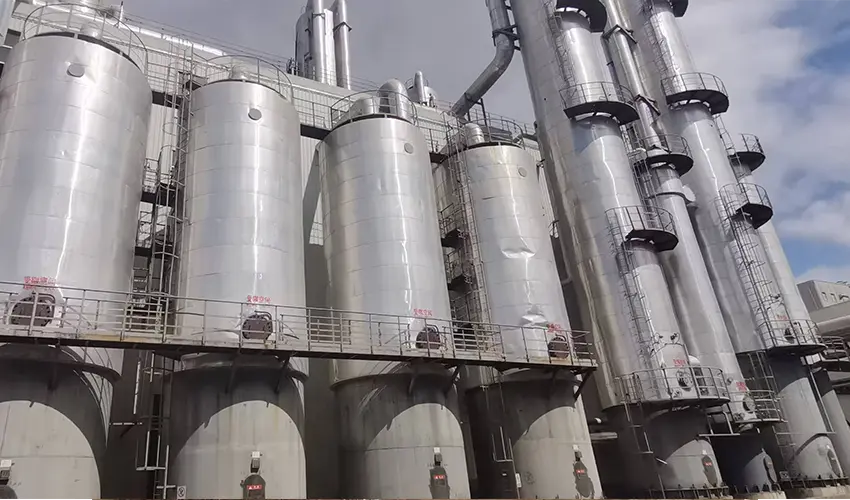
The selection of bioethanol production equipment determines not only the daily output of a corn-to-ethanol plant but also its long-term profitability and environmental footprint.
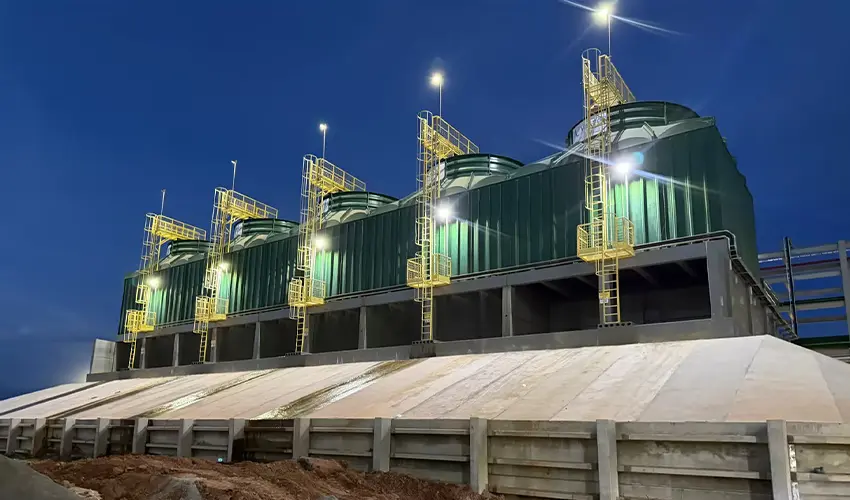
After fifteen years engineering integrated agricultural processing facilities across three continents, I’ve learned one hard rule: a fuel ethanol plant that treats its co-product streams as afterthoughts never competes at the top of the market.
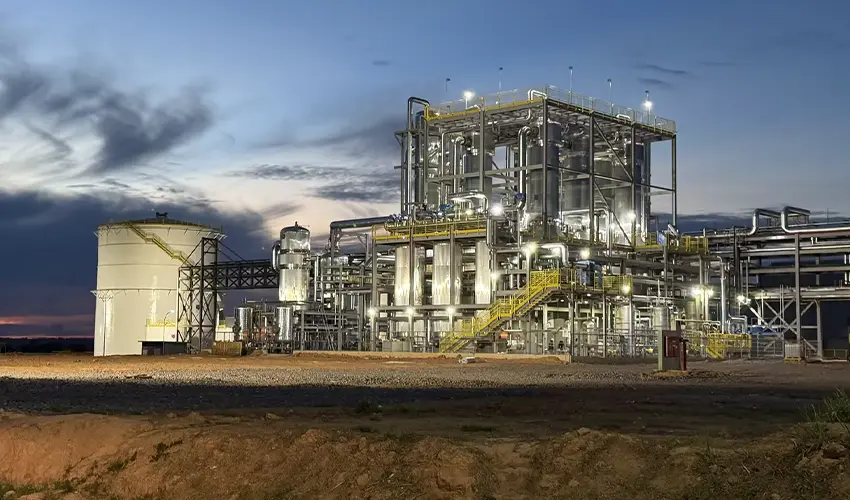
Budgeting for a corn ethanol plant is not just a tally of steel, concrete, and equipment line items. When you are planning a fuel ethanol project, the real difference between a marginal return and a project that attracts financing lies in how the by-product streams are integrated into the capital plan.
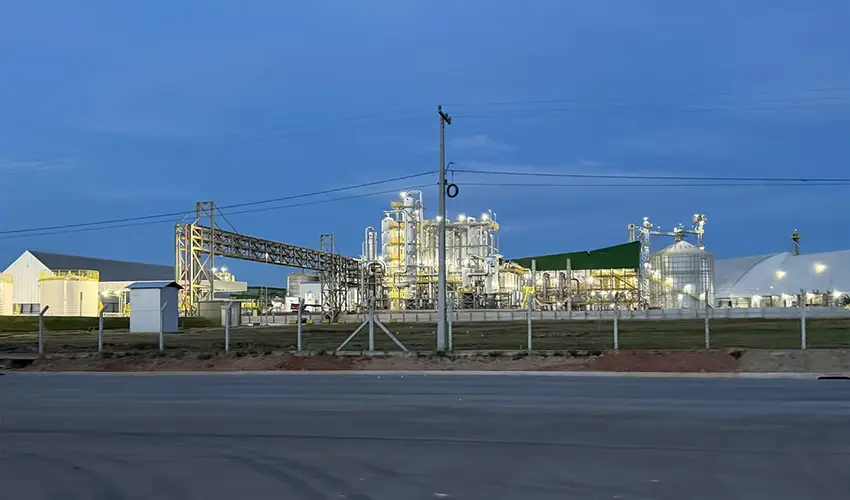
The search for a reliable food-grade liquid CO2 supplier often leads to ethanol plants, where fermentation naturally generates a high-purity carbon dioxide stream. But not every plant captures that CO2, and fewer still maintain it at food-grade quality through final delivery.
bjhn@agrifamgroup.com