EN

Building High-Quality China-Africa Cooperation Together – President of Zimbabwe Witnesses AGRIFAM Signing Ceremony


Deepening China-Nigeria Agriculture and Livestock Cooperation to Forge a Blueprint for Food Security – Nigerian Ambassador to China Visits AGRIFAM Huinong for Exchange and Inspection


Deepening Industrial Cooperation, Jointly Safeguarding Food Security along the Silk Road – AGRIFAM Huinong Makes Its Debut at the 9th China–Eurasia Expo

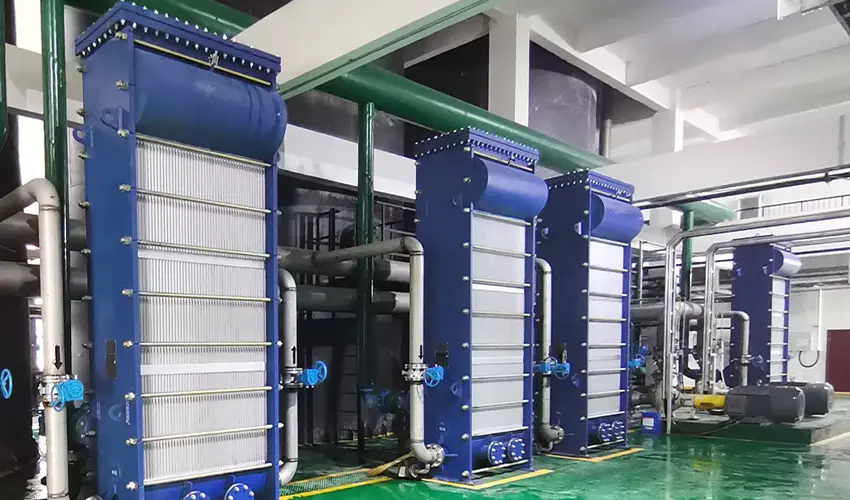
Corn ethanol producers and project developers face a recurring integration risk: they source quality individual components—a proven hammer mill here, a reliable distillation column there—then spend months reconciling mismatched throughput, control logic, and utility balances across units that were never designed to work together.
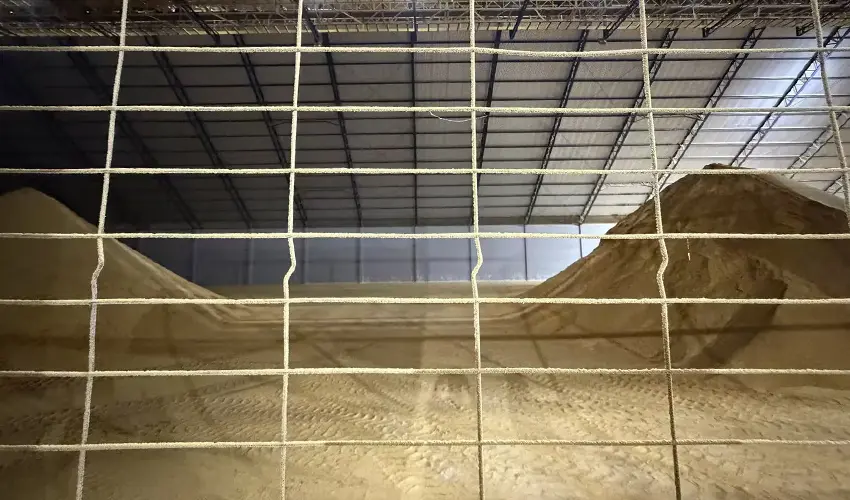
Many fuel ethanol projects limp past commissioning only to discover the licensed process package left critical gaps. The fermentation unit runs as specified, but the DDGS dryer cannot handle the spent grain volume, and the promised steam recovery never materialized.
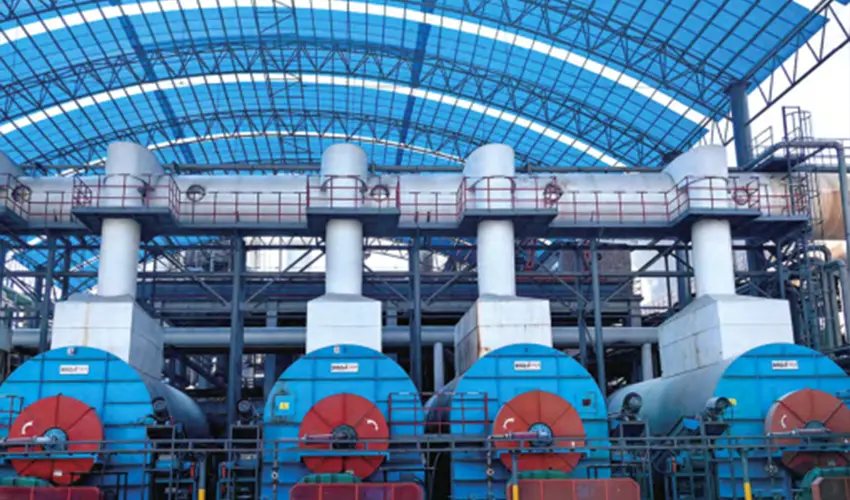
A custom ethanol solution that aligns production capacity, byproduct utilization, and energy integration with your specific feedstock and target markets delivers significantly higher long‑term profitability than a standard plant configuration.
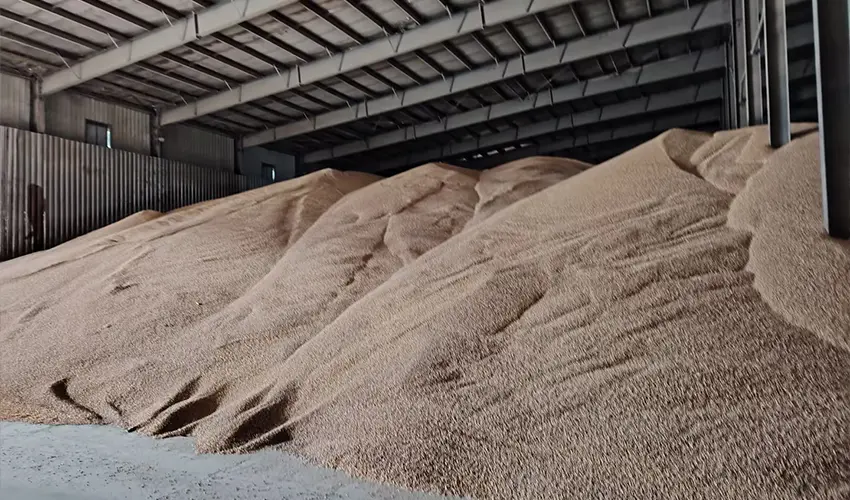
Ethanol plant capacity design succeeds when production scale is synchronized with regional corn supply and local market absorption.
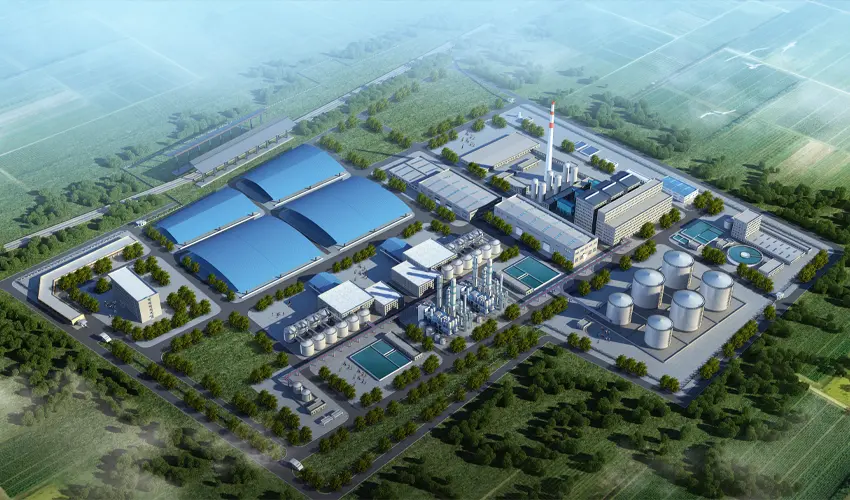
Fuel ethanol price trends depend on more than corn and oil—integrated plant design with by-product revenue can lower breakeven pricing by 15-20%, reducing market exposure. The price a fuel ethanol producer captures, and the margin they keep, are not simply gifts of the commodity markets.
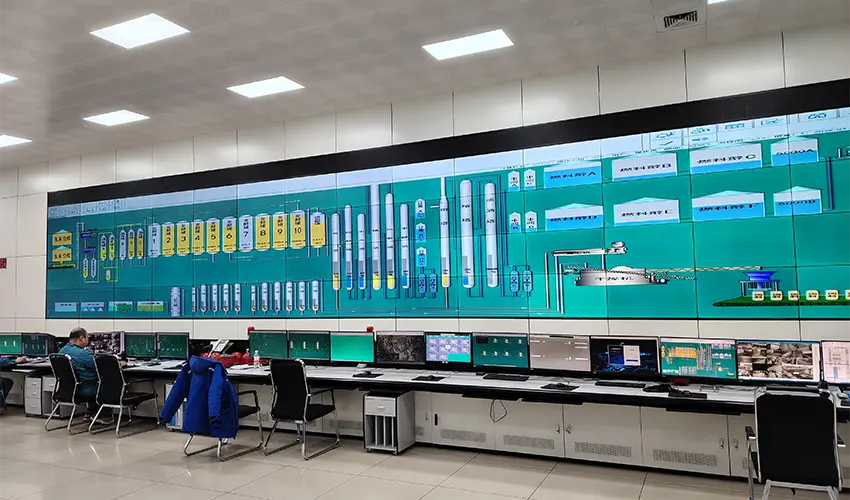
Ethanol plant commissioning is the critical bridge between construction and profitable operation, yet most projects stumble because they treat it as a linear checklist rather than an integrated system start-up.
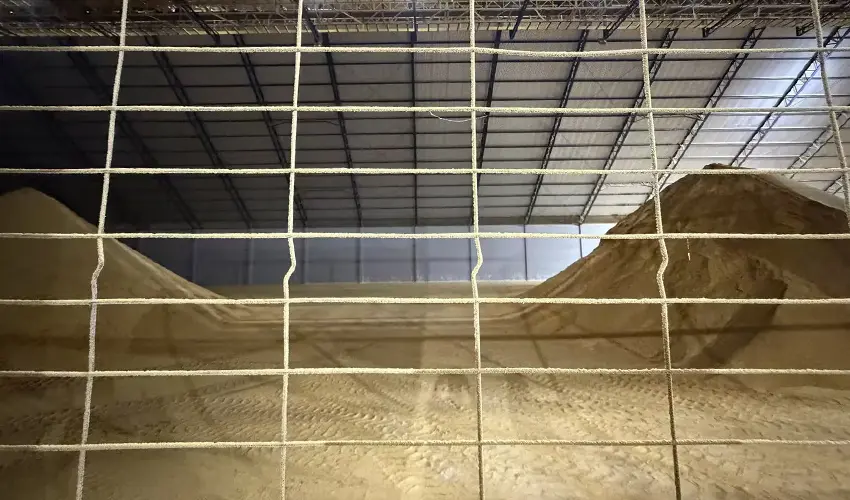
Most discussions around corn processing still orbit ethanol yields and starch conversion rates. That focus misses the larger financial equation. In a modern corn processing plant, the byproduct streams can collectively rival the revenue of primary ethanol production when the facility is designed from the start to capture them.
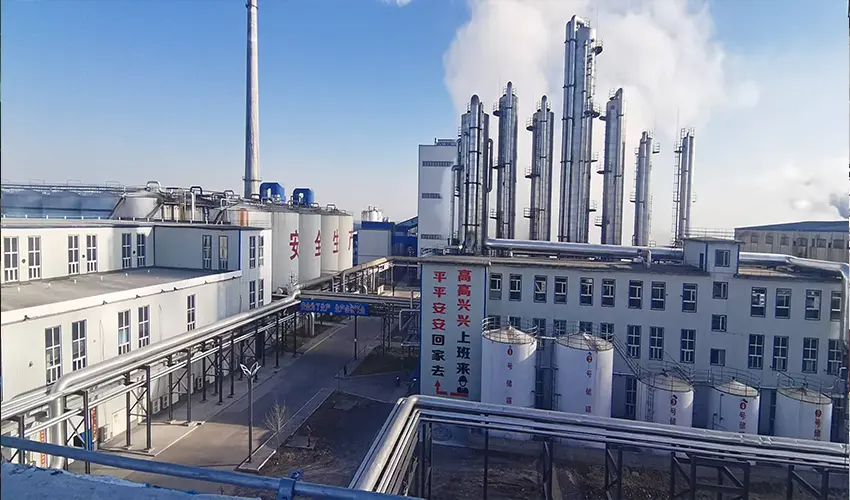
Industrial alcohol applications extend far beyond the fuel tank. For grain processors and agricultural enterprises, ethanol serves as a versatile platform chemical that enters solvents, coatings, pharmaceuticals, and a wide range of intermediate products. Yet most discussions treat industrial alcohol as a standalone commodity.
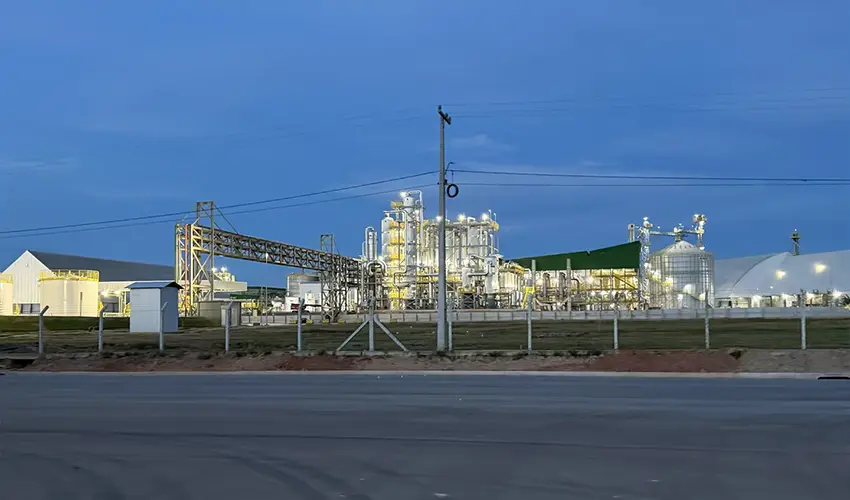
Ethanol margins are under pressure. Corn prices stay volatile, fuel demand growth is uneven, and carbon intensity requirements keep tightening.
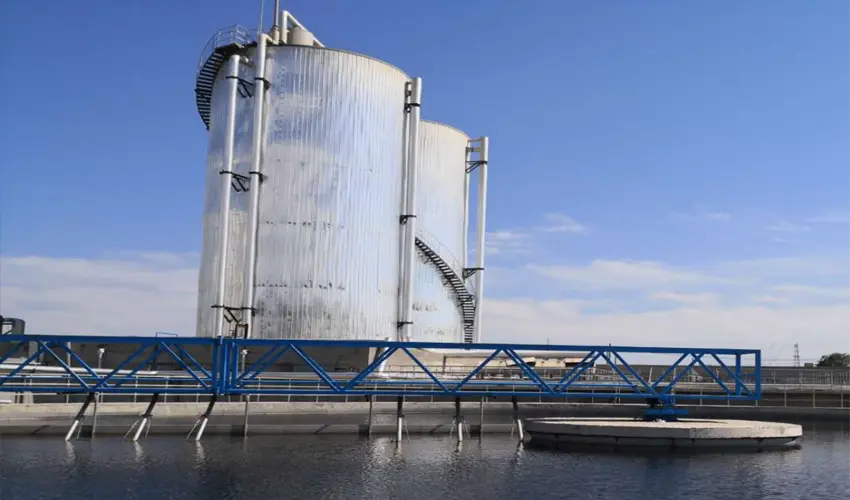
The environmental case for corn ethanol often gets reduced to a single carbon number, but that number can mislead more than it informs.
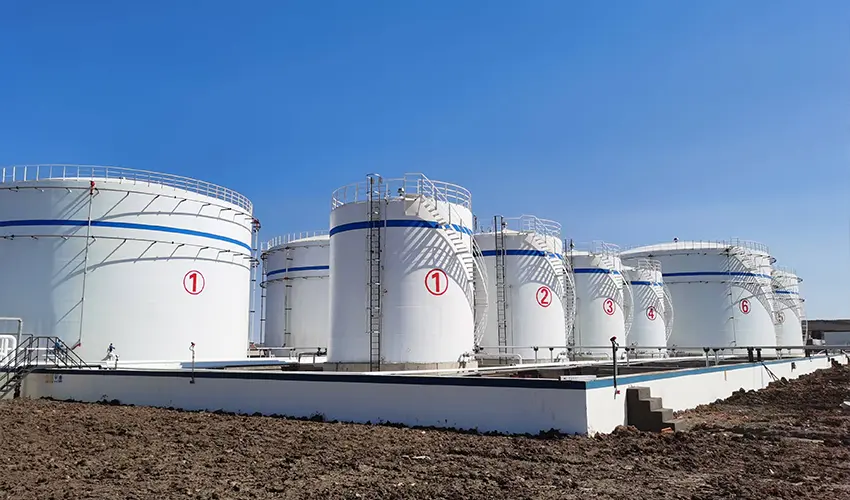
Ethanol storage and transportation safety is a critical consideration for any facility handling this flammable liquid, yet many operators treat it as a compliance checklist rather than an integrated design principle.
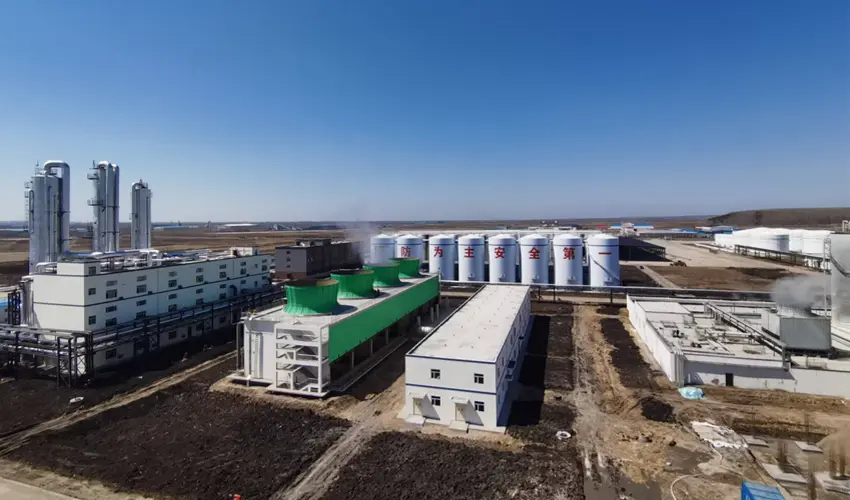
Fuel ethanol blending is a critical step in meeting renewable fuel mandates, but inconsistent ethanol quality can compromise engine performance and material durability.
bjhn@agrifamgroup.com