EN
The agricultural and animal husbandry sector is shifting faster than most people realize. Safer food, healthier livestock systems, and production methods that can actually sustain themselves over decades—these aren’t just talking points anymore. They’re reshaping how entire supply chains get built. Agrifam Co., Ltd. works across this full spectrum, connecting financial backing to equipment commissioning to the upgrades that keep operations competitive years down the line.
Emerging markets across Africa, the Middle East, and Asia don’t face a single, uniform set of obstacles. The challenges vary by geography, infrastructure maturity, and regulatory environment—and understanding these differences matters for anyone planning a food processing investment.
Infrastructure gaps hit hard in many regions. Roads that can’t handle heavy transport during rainy seasons, power grids that drop out unpredictably, cold storage that simply doesn’t exist in rural collection points—these aren’t abstract problems. They directly determine whether processed food reaches consumers in sellable condition. Regulatory frameworks add another layer of complexity. Standards differ not just between countries but sometimes between provinces, creating compliance headaches for operations trying to serve multiple markets. Climate volatility compounds everything else. Unpredictable harvests mean processing facilities need flexibility built into their design, not rigid systems optimized for conditions that no longer hold.
| Challenge Category | Africa | Middle East | Asia |
|---|---|---|---|
| Infrastructure | High | Medium | High |
| Regulatory | Medium | High | High |
| Climate Impact | High | High | Medium |
| Supply Chain | High | Medium | High |
These patterns explain why food processing solutions in emerging markets require more than equipment catalogs. They require systems thinking.
Resilient agricultural value chains don’t happen by accident. They require deliberate integration across stages that traditionally operated in isolation—farmers, aggregators, processors, distributors, and retailers all working within a coordinated system.
Post-harvest technology plays a larger role than many investors initially expect. Losses between harvest and processing can exceed 30% in some commodity categories, which means the right handling and storage systems often deliver better returns than capacity expansions. Cold chain logistics extend this principle further, maintaining product integrity across distances that would otherwise destroy value. Sustainable agriculture practices tie the whole system together. When production methods degrade soil or deplete water resources, processing capacity becomes irrelevant—there’s nothing left to process. Building these elements into food processing projects from the start addresses efficiency questions that surface later as operational bottlenecks.
Strong local partnerships consistently rank among the most important factors. Market dynamics, regulatory relationships, and operational norms vary enough that outside investors benefit enormously from partners who understand the terrain. International food safety standards matter for both domestic consumer trust and export potential—cutting corners here limits market access later. Technology choices need to match regional realities rather than simply replicating what works elsewhere. Power availability, maintenance capabilities, and workforce skills all influence which systems actually perform well over time.
Modern food processing technology has moved well beyond simple mechanization. Automation in food factories now handles tasks that require precision humans struggle to maintain over long shifts—consistent portioning, contamination detection, packaging accuracy. The productivity gains are real, but so are the quality improvements.
Energy efficiency in food processing has become a competitive factor, not just an environmental consideration. Facilities that consume less power per unit of output operate with lower costs and greater resilience against utility price fluctuations. Water management in food production matters especially in regions where water stress is already a constraint. Processing facilities that recycle and treat water effectively can operate in locations where competitors cannot.
Food packaging innovations extend shelf life in ways that reduce waste throughout the distribution chain. Quality control in food manufacturing has similarly advanced, with inline testing and traceability systems that catch problems before they reach consumers. These capabilities strengthen food safety and quality across Asian markets and other regions where supply chains stretch across long distances.
| Feature | Traditional Processing | Automated Processing |
|---|---|---|
| Labor Intensity | High | Low |
| Consistency | Variable | High |
| Energy Consumption | High | Optimized |
| Waste Reduction | Moderate | High |
| Speed | Slow | Fast |
Food processing demands vary dramatically across product categories. Dairy processing equipment must maintain strict temperature control and sanitation standards throughout operations. Meat processing solutions prioritize hygiene and throughput efficiency. Grain handling systems, including port terminal warehousing soultion and grain depot storage soultion, focus on minimizing loss during storage and transfer while maintaining quality parameters.
Fruit and vegetable processing extends shelf life while preserving the nutritional value that consumers increasingly demand. Aquaculture processing technologies support sustainable seafood production as wild fisheries face mounting pressure. This specialization explains why integrated food processing matters so much for emerging markets—generic solutions rarely perform well across the full range of agricultural products any given region produces.
Agrifam’s portfolio covers corn starch processing soultion with efficient resource utilization, alongside vital wheat gluten soultion, modified starch manufacturing soultion, and fuel ethanol alcohol production soultion. The starch sugar segment includes glucose syrup production soultion, maltose syrup production soultion, fructose glucose syrup production soultion, crystalline glucose production soultion, and crystalline fructose production soultion. Additional capabilities span maltodextrin production soultion, sorbitol production soultion, and maltitol production soultion.
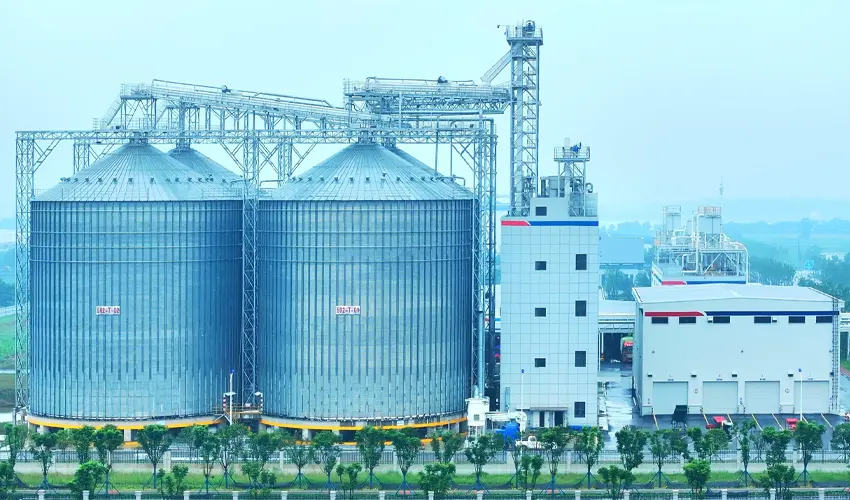
A one-stop service model addresses the fragmentation that often undermines food processing projects. When financial structuring, engineering design, equipment manufacturing, installation, and commissioning come from different providers with different incentives, coordination problems multiply.
Financial solutions for agri-business include investment guidance and structured models that account for the specific cash flow patterns of agricultural processing—seasonal inputs, working capital requirements, and payback timelines that differ from manufacturing in other sectors. Consulting services from food industry specialists inform strategic decisions before capital gets committed. Design and engineering for food plants translate strategy into buildable specifications. Manufacturing, installation, and commissioning services execute those specifications with accountability that persists through startup. Subsequent upgrading of food processing facilities keeps operations current as technology advances and market requirements evolve.
This integrated approach answers the practical question of what financial and operational support is available for new food processing ventures. The answer is: everything from concept through continuous improvement.
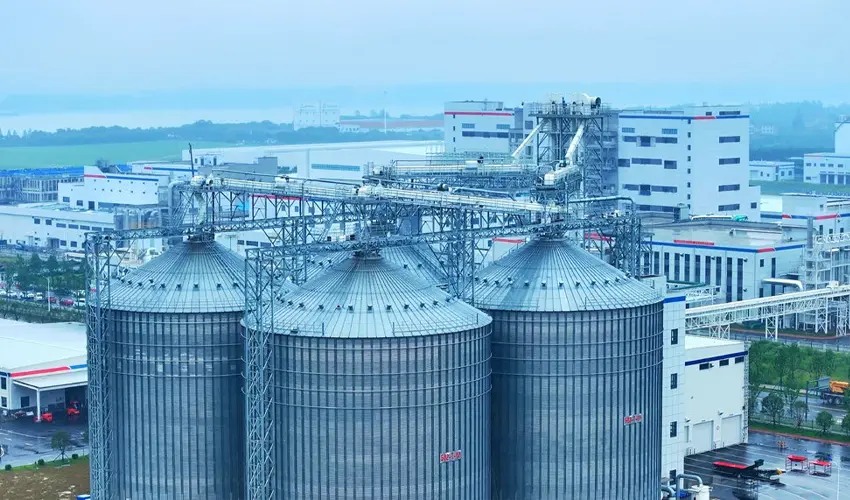
Expertise, authoritativeness, and trustworthiness in project execution aren’t abstract qualities. They show up in whether food safety standards actually get met, whether quality control in food manufacturing catches problems before they become crises, and whether regulatory compliance across different food industry frameworks gets handled correctly the first time.
Navigating regulatory complexity requires experience that can’t be acquired quickly. Integrating sustainable agriculture practices into project design requires understanding how those practices interact with processing requirements. These capabilities develop over years of actual project work, not from reading about best practices.
Partnering with organizations that have demonstrated these capabilities—through completed projects, satisfied clients, and documented outcomes—reduces the risks that derail food processing investments. The agricultural sector’s contribution to food security challenges depends partly on whether individual projects succeed or fail.
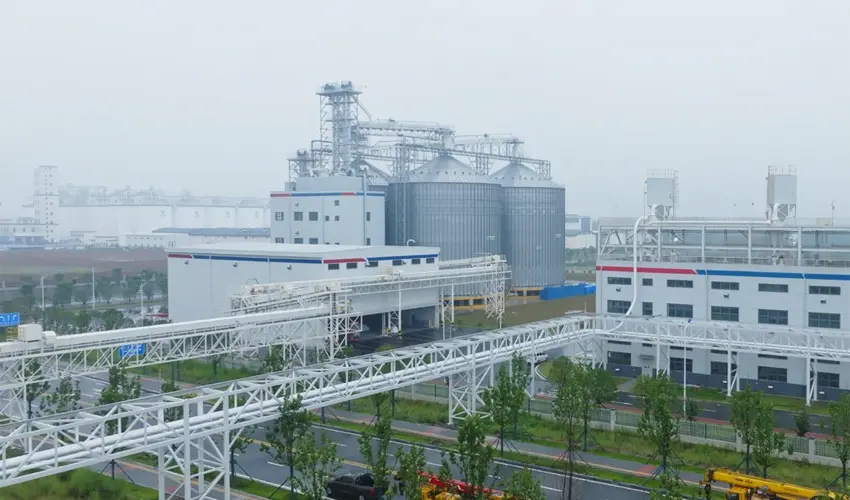
Agrifam Co., Ltd. brings together the expertise needed for food processing success across Africa, the Middle East, and Asia. From initial concept and financial planning through advanced engineering, installation, and ongoing upgrades, integrated solutions deliver efficiency, sustainability, and competitive positioning. Contact Agrifam at 010-8591 2286 or bjhn@agrifamgroup.com to discuss your project and build a safer, healthier, and more profitable agricultural future.
Agrifam structures financial solutions around the specific requirements of agricultural and animal husbandry projects. This includes project financing assistance, investment guidance, and financial models designed for the cash flow patterns typical of food processing—seasonal raw material purchases, working capital cycles, and payback timelines that differ from other manufacturing sectors. These services apply across operations in Africa, the Middle East, and Asia.
Food safety and quality depend on systems, not just intentions. Agrifam integrates international food safety standards and quality control systems throughout processing solutions—from equipment selection and hygienic design principles to operational protocols and regulatory compliance documentation. This systematic approach maintains standards from farm to table regardless of regional variations in oversight intensity.
Customization is the default approach, not an exception. Agricultural landscapes across Africa, the Middle East, and Asia produce different crops, raise different livestock, and support different aquaculture species. Processing systems designed for one context rarely perform optimally in another. Agrifam’s engineering teams design systems specifically adapted for local products, ensuring processing efficiency and product quality match regional specialties rather than forcing products into generic processing frameworks.







bjhn@agrifamgroup.com