EN
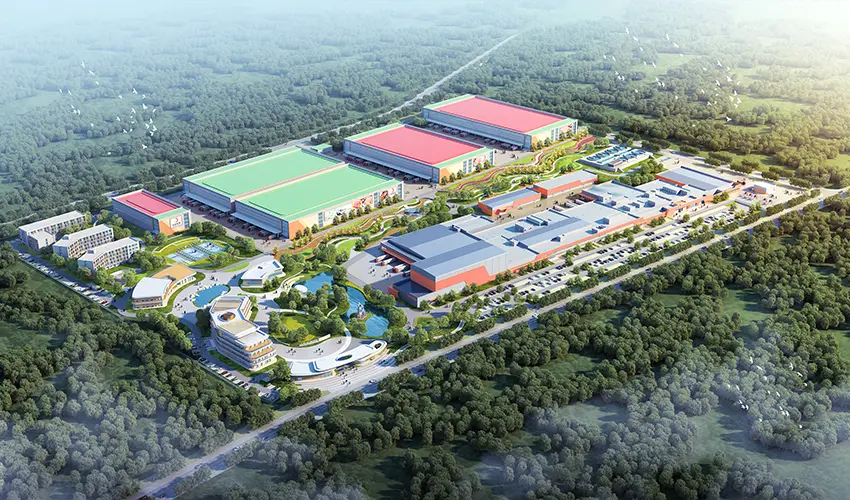
The Dekang Food Engineering Project captures something I’ve come to appreciate about large-scale agri-food work: the gap between a good idea and a functioning facility is enormous, and closing that gap requires more than technical skill. It demands coordination across disciplines that rarely speak the same language. This project brought together process engineers, food scientists, construction teams, and logistics specialists under a single framework. The result was a food processing facility that met stringent industry demands while staying on schedule—a combination that sounds simple but rarely happens without deliberate integration.
The Dekang project started with a recognition that food processing plant design cannot be treated as a series of isolated decisions. Equipment selection affects building layout. Building layout affects utility routing. Utility routing affects operational costs for decades. We approached this as a single interconnected system rather than a sequence of handoffs between specialists.
The regulatory landscape for food processing facilities has grown more complex over the past decade. Traceability requirements, environmental permits, and food safety certifications each impose constraints that ripple through the design process. Our project lifecycle management approach addressed these constraints early, during the planning phase, rather than discovering conflicts during construction.
This food engineering project incorporated automation and process control systems that were specified alongside the civil engineering work. The result was a facility where sensors, conveyors, and quality checkpoints were designed as integral components rather than afterthoughts. A turnkey project solution like this reduces the coordination burden on clients and eliminates the finger-pointing that often occurs when multiple contractors share responsibility for a single outcome.
Food safety in large-scale food processing facilities depends on system design, not just operator training. The Dekang project implemented quality control systems that made compliance the default condition rather than something requiring constant vigilance.
Automation played a central role. Temperature monitoring, contamination detection, and batch tracking were built into the production line. Human intervention was required only for exceptions, not for routine verification. This approach reduced both food safety incidents and labor costs simultaneously.
| Metric | Before Project | After Project |
|---|---|---|
| Food Safety Incidents | High | Near Zero |
| Operational Throughput | Moderate | Significantly Increased |
| Energy Consumption | High | Reduced |
The throughput improvements came from eliminating bottlenecks that previous facility designs had accepted as inevitable. Supply chain optimization reduced raw material holding times. Process sequencing minimized changeover periods between product runs. These gains compound over years of operation.
Large-scale food engineering projects succeed or fail based on decisions made before construction begins. Risk assessment must identify potential failure points across equipment, supply chain, and regulatory compliance. Engineering procurement construction management requires clear accountability and communication protocols that prevent small problems from cascading into schedule delays.
Cross-disciplinary collaboration matters more than individual expertise. A brilliant process engineer who cannot communicate with civil contractors creates problems that offset their technical contributions. We structure project teams to ensure that specialists understand how their decisions affect adjacent disciplines.
Regulatory requirements deserve early attention. Permits, certifications, and inspections follow timelines that construction schedules must accommodate. Proactive engagement with regulatory bodies prevents surprises that can halt progress for weeks or months.
The Dekang project treated energy consumption as a design parameter rather than an operational afterthought. Food processing facilities consume substantial energy for heating, cooling, and mechanical processes. Small percentage improvements in efficiency translate to significant cost savings over a facility’s operating life.
Heat recovery systems captured thermal energy from cooking and sterilization processes. This recovered heat prewarmed incoming materials and reduced the load on primary heating systems. The payback period for these systems was measured in months, not years.
Waste management in food production facilities presents both challenges and opportunities. Organic waste streams can generate biogas through anaerobic digestion. The Dekang project incorporated waste processing systems that converted production byproducts into energy inputs, reducing both disposal costs and purchased energy requirements.
Water usage optimization addressed another significant operating cost. Closed-loop cooling systems, efficient cleaning protocols, and wastewater treatment for reuse reduced both water consumption and discharge volumes. These sustainable food processing techniques align environmental responsibility with economic performance.
Energy efficiency in food plants starts with understanding where energy actually goes. Detailed energy audits identify the largest consumption points and the interventions with the best return on investment. Often, the biggest opportunities involve heat recovery, insulation improvements, and motor efficiency upgrades rather than exotic technologies.
Renewable energy integration makes economic sense for many food processing facilities. Solar installations can offset daytime electrical loads. Biomass from agricultural operations can fuel combined heat and power systems. The specific mix depends on local conditions, utility rates, and available feedstocks.
Carbon footprint reduction follows naturally from energy efficiency improvements. Lower energy consumption means lower emissions, regardless of the energy source. When combined with renewable energy and waste-to-energy systems, food processing facilities can achieve substantial reductions in their environmental impact while improving their cost structure.
The Dekang project demonstrated the value of maintaining single-point responsibility throughout a food engineering project. When one organization handles feasibility studies, detailed design, equipment manufacturing, civil construction, installation, and commissioning, accountability is clear and coordination is simplified.
This integrated approach addresses a common problem in agricultural infrastructure development: the gap between what designers specify and what contractors build. When design and construction operate under unified management, specifications reflect constructability and construction reflects design intent.
Financial support for food engineering projects often determines whether good ideas become operational facilities. We work with clients to structure financing that matches project cash flows, reducing the burden during construction phases when expenses are high and revenue is zero.
Agrifam provides services spanning the entire project lifecycle for food engineering projects. Initial feasibility studies assess technical viability and economic returns. Detailed engineering design translates concepts into specifications that contractors can execute. Equipment manufacturing ensures that process systems meet performance requirements.
Civil construction oversight maintains quality standards and schedule adherence. Installation and commissioning verify that completed systems perform as designed. Ongoing support services address the inevitable adjustments that operational experience reveals.
Our expertise covers corn starch processing soultion, vital wheat gluten soultion, modified starch manufacturing soultion, fuel ethanol alcohol production soultion, and various starch sugar production solutions. Each application has specific requirements, and our experience across these categories informs our approach to new food processing plant design challenges.
The Dekang project offers a window into where food engineering is heading. Intelligent agriculture solutions are moving from experimental to standard practice. Sensors, data analytics, and automated control systems are becoming baseline expectations rather than premium features.
Food production scalability remains a central challenge. Global population growth and changing dietary patterns create demand that existing facilities cannot meet. New food processing facilities must be designed for expansion, with utility systems, site layouts, and process flows that accommodate future capacity increases.
Intensive farming practices are evolving in response to land constraints and environmental pressures. Vertical integration from agricultural production through processing to distribution creates opportunities for optimization that fragmented supply chains cannot capture. The agri-food industry trends point toward larger, more integrated operations that can achieve economies of scale while maintaining quality and traceability.
Your agricultural and food engineering projects deserve the integrated expertise that the Dekang project demonstrates. Contact us today at 010-8591 2286 or bjhn@agrifamgroup.com for a personalized consultation. Discover how our comprehensive solutions can address your specific requirements from initial concept through successful commissioning.
Food safety standards compliance begins during design, not during operation. We integrate HACCP principles into facility layouts, equipment specifications, and process flows. Quality control systems include automated monitoring, contamination detection, and batch traceability that operate continuously without relying on manual checks.
Our food processing facilities incorporate physical barriers between raw and processed materials, controlled air handling to prevent cross-contamination, and sanitary design principles that facilitate effective cleaning. These design decisions make food safety the natural outcome of normal operations rather than something that requires constant attention and intervention.
A turnkey project solution eliminates the coordination burden that clients typically bear when managing multiple contractors. Single-point responsibility means that problems get solved rather than blamed on someone else. Schedule delays in one area trigger immediate response rather than contractual disputes.
Agricultural infrastructure development involves specialized knowledge that most clients do not possess internally. A turnkey approach provides access to that expertise without requiring clients to develop it themselves. Cost-effectiveness improves because integrated planning eliminates redundant work and catches conflicts before they require expensive rework.
Energy efficiency in food plants represents one of our core competencies. We design and implement heat recovery systems, renewable energy integration, and process optimization that reduce energy consumption and operating costs. Waste heat from cooking, sterilization, and refrigeration systems can be captured and reused rather than released to the environment.
Sustainable design extends beyond energy to include water management, waste reduction, and material selection. We help clients achieve both economic viability and environmental responsibility through integrated solutions that address multiple sustainability dimensions simultaneously. The operational cost savings from these approaches typically justify the investment within the first few years of operation.







bjhn@agrifamgroup.com