EN
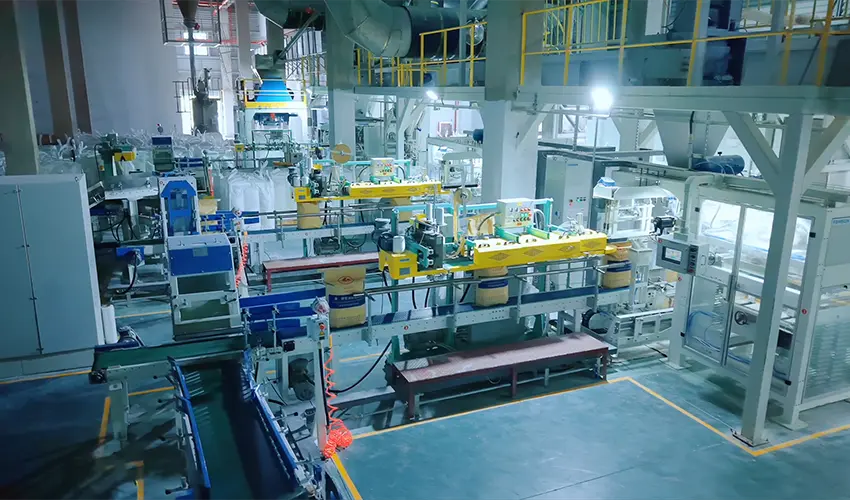
Food processing has changed dramatically over the past decade. Walk through any modern facility today and you’ll notice something striking: the quiet hum of machines doing work that once required dozens of hands. I’ve watched this shift happen across operations of all sizes, and what stands out isn’t just the technology itself—it’s how these systems connect to create something genuinely different from traditional production lines. The integration of intelligent transport, automated packaging, and robotic stacking has become the backbone of facilities that need to move faster while maintaining the kind of consistency that manual processes simply cannot match.
Intelligent transport systems sit at the foundation of modern food processing efficiency. Automated guided vehicles and smart conveyor networks handle internal logistics in ways that fundamentally alter how materials flow through a facility. These systems cut manual labor requirements significantly while addressing contamination risks that come with traditional handling methods.
Real-time tracking provides visibility into every movement. Materials don’t sit waiting at transfer points because the system anticipates where they need to go next. This prevents the bottlenecks that plague conventional setups and keeps throughput consistent throughout shifts. The data these systems generate also supports predictive maintenance—equipment issues get flagged before they cause unplanned stops.
Intelligent transport systems typically deliver around 20% reduction in transport time and roughly 15% fewer handling errors. The automation eliminates the stop-and-start pattern of manual movement, creating continuous flow that keeps downstream processes fed without interruption. IoT connectivity means operators can adjust routing on the fly when production schedules shift. The result is higher productivity with more consistent product quality across batches.
Packaging automation addresses two challenges simultaneously: keeping products intact and adapting to what different markets require. Primary packaging solutions, secondary packaging solutions, and end-of-line packaging systems work together to reduce waste while extending how long products stay fresh.
Modified atmosphere packaging has become standard for products where freshness matters. The technique replaces air inside packages with gas mixtures that slow spoilage—a straightforward concept that requires precise execution. Packaging robotics handle this with the consistency that manual operations cannot sustain over long shifts. Quality control automation catches problems before products leave the line, keeping facilities compliant with regulations that grow stricter each year.
Flexible packaging options matter more than they once did. Retailers want different configurations, export markets have specific requirements, and seasonal products need packaging that can scale up or down quickly.
For a deeper understanding of how technological advancements drive food preservation, explore our insights on Driving Global Food Conservation Through Technological Innovation.
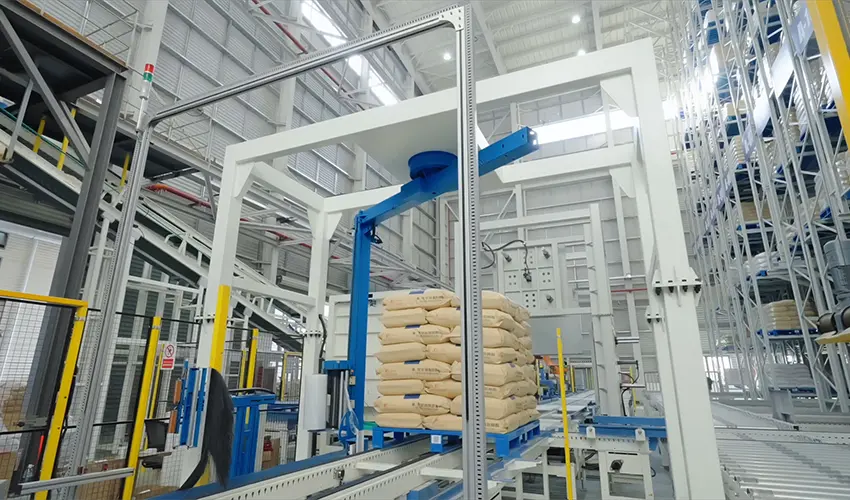
Robotic stacking solutions handle what happens after processing ends. Palletizing robots and depalletizing systems take over the repetitive lifting that wears workers down and creates injury risks. The economic case is straightforward: these systems run continuously without the fatigue that affects human performance during long shifts.
Integration with warehouse automation and automated storage and retrieval systems maximizes how facilities use their space. Products move directly from packaging lines into storage positions without the staging areas that traditional operations require. The reduction in handling steps also means less product damage—a cost that adds up quickly in high-volume operations.
Labor availability has become a genuine constraint for many facilities. Robotic stacking addresses this directly while improving the working conditions for employees who remain focused on tasks that benefit from human judgment.
Connecting these individual systems creates something more valuable than the sum of parts. AI-driven automation and IoT integration allow different stages of production to communicate and adjust based on what’s happening elsewhere in the facility.
Data analytics enables predictive maintenance that catches problems before equipment fails. A sensor detecting unusual vibration in a motor triggers an alert days before the component would have caused a line shutdown. This kind of anticipation changes how maintenance teams work—they fix problems on schedule rather than responding to emergencies.
Traceability systems track products through every stage. When a quality issue surfaces, the data exists to identify exactly which batches might be affected. This precision limits recalls to what’s actually necessary rather than requiring broad product withdrawals that damage both finances and reputation.
Robotic packaging and stacking integration delivers precise handling that reduces product damage, continuous operation that increases throughput, and improved worker safety by removing personnel from repetitive physical tasks. The systems optimize material flow while maintaining the hygiene protocols that food production requires. Labor cost reductions follow naturally, though the consistency improvements often prove equally valuable.
Scalability matters because production requirements change. Facilities that invest in automation need systems that grow with demand rather than requiring replacement when volumes increase. Modular machinery design allows capacity additions without rebuilding entire lines.
Energy efficiency has moved from nice-to-have to essential. Equipment that consumes less power reduces operating costs and helps facilities meet environmental compliance requirements that tighten regularly. Resource conservation—water, packaging materials, energy—contributes to sustainability goals while improving the bottom line.
The machinery choices made today determine operational costs for years ahead. Systems designed with future adaptation in mind protect that investment.
End-to-end automation provides competitive advantage through efficiency and consistency that fragmented systems cannot achieve. Facilities respond faster to market changes when their systems communicate and adjust together. The integration also reduces vulnerability to labor shortages and operational disruptions—problems that affect competitors still relying on manual processes.
Agrifam Co., Ltd. provides integrated solutions covering intelligent transport, packaging, and stacking automation. Our support spans financial planning, design, manufacturing, installation, and ongoing system upgrades. Contact us to discuss how these technologies fit your specific operation.
Email: bjhn@agrifamgroup.com | Phone: 010-8591 2286
Intelligent food processing machinery tackles rising labor costs, strict food safety regulations, inconsistent product quality, operational inefficiencies, and the growing need for supply chain transparency. Advanced transport, packaging, and stacking systems provide practical solutions to each of these pressures that modern facilities face.
Agrifam builds hygiene protocols and food safety standards into all intelligent transport, packaging, and stacking machinery. This includes food-grade materials, designs that clean easily, automated cleaning-in-place systems, and real-time monitoring that prevents contamination. All systems support HACCP compliance throughout the production process.
Yes. Agrifam designs and manufactures modular intelligent transport, packaging, and stacking solutions that adapt to different food product types. The approach ensures optimal handling, processing, and packaging efficiency for specific product requirements rather than forcing operations to work around generic equipment.
ROI depends on project scope, but intelligent food processing automation typically delivers returns through lower labor costs, reduced product waste, better operational efficiency, improved food safety compliance, and higher throughput. Agrifam provides financial consulting to help clients project realistic returns for their automated transport, packaging, and stacking investments.
Agrifam provides commissioning, training, ongoing maintenance services, and upgrade programs after installation. This support ensures intelligent transport, packaging, and stacking solutions perform well over their full lifecycle and adapt as operations evolve.





bjhn@agrifamgroup.com