EN
The agricultural sector is shifting in ways that feel less like gradual evolution and more like a fundamental rethinking of how food gets produced. Across North Africa, the Middle East, and Central Asia, I've watched operations struggle with the same tension: the need to produce more while using less, to meet stricter safety standards while keeping costs manageable. Integrated feed mill solutions have emerged as the practical answer to this challenge, connecting every stage from raw material sourcing through final product delivery into a coherent system. Agrifam Co., Ltd. has built its approach around this reality, developing one-stop service models that address the full agricultural industry chain rather than isolated pieces of it.
Agrifam provides integrated feed mill solutions designed specifically for the agricultural conditions across North Africa, the Middle East, and Central Asia. The approach covers the entire agricultural industry chain, from securing raw materials to delivering finished products, with safety, health, and efficiency built into each stage. Modern agriculture demands integrated systems because fragmented operations simply cannot achieve the consistency that sustainable development requires. These solutions work equally well for upgrading existing infrastructure or establishing new high-performance facilities. The comprehensive service model improves customer experience by handling complex processes that would otherwise require coordinating multiple vendors, delivering measurable gains in both productivity and environmental performance.
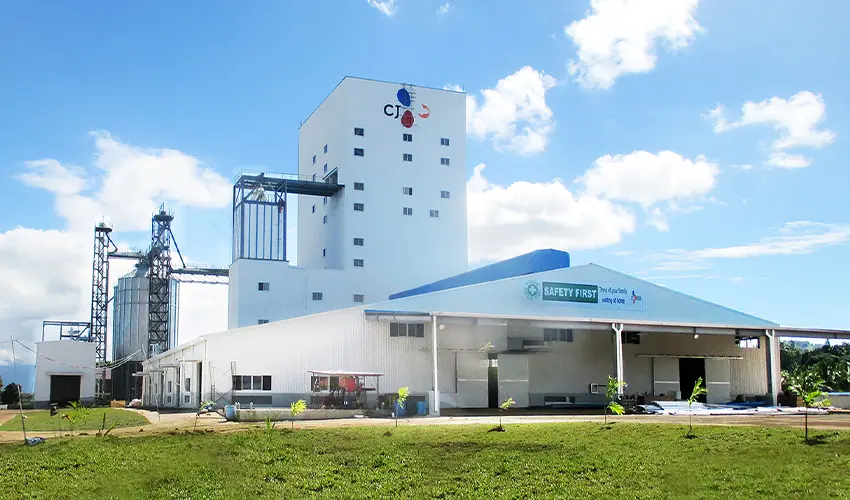
Integrated feed mill solutions matter so much in these regions because the operating environment presents challenges you won’t find elsewhere. Climate variability affects raw material availability in ways that can shift dramatically between seasons. Regulatory frameworks differ significantly across borders, and what works in one market may require substantial modification for another. Agrifam’s customized feed solutions address these realities directly, building operational resilience into the system design. The focus stays on establishing robust feed safety standards while optimizing raw material sourcing within MENA markets. This expertise ensures regulatory compliance and supports market diversification for regional agricultural enterprises. Addressing these specific regional feed mill challenges gives local producers the stability they need to pursue growth with confidence.
Feed mill design in these regions must account for climate conditions that would stress conventional systems. Energy efficient feed mills incorporate technologies that reduce consumption without sacrificing throughput. Water management in agriculture becomes critical where supplies are limited or unpredictable, so responsible water use gets built into every stage of the production cycle. Local raw material utilization reduces transportation costs while supporting regional economies and shortening supply chains. These design choices work together to improve overall efficiency and sustainability, matching global best practices to local conditions.
Large-scale feed projects require financial structures that make sense for the investment timeline and regional banking environments. Agrifam provides comprehensive financial support alongside expert project management, guiding clients from initial planning through final commissioning. This includes assistance with securing funding and building financial plans that work within local constraints. Turnkey feed mill solutions cover consulting, design services, manufacturing, installation, and commissioning as a unified package. This integrated approach removes the complexity that typically fragments large projects, ensuring seamless delivery and a better customer experience throughout.
Achieving genuine feed mill efficiency and sustainability requires attention to intelligence, operational performance, and environmental protection working together. Intelligent feed systems use data analytics and automation in feed mills to adjust production processes continuously, cutting waste while pushing output higher. Quality control feed measures integrate at every stage, maintaining consistent product quality and safety across batches. Sustainable feed production practices include reducing energy consumption, optimizing how resources get used, and implementing environmental protection feed mills that meet increasingly strict standards. These priorities reflect a vision for agricultural operations that are smarter, more efficient, and genuinely responsible.
Advanced feed processing technologies make a measurable difference in both animal nutrition and product safety. Agrifam’s expertise covers manufacturing, installation, commissioning, and upgrading equipment to current standards. Advanced feed processing methods like extrusion technology and pelleting efficiency improvements create feed that animals digest more completely, extracting more nutritional value from the same inputs. Precise application of feed additives optimizes nutritional profiles for specific livestock requirements. Comprehensive equipment procurement services ensure access to the latest innovations, producing safer and healthier animal feed products. This commitment to technological advancement supports better livestock performance and contributes to overall food safety across the supply chain.
If you’re interested, check 《Driving Global Food Conservation Through Technological Innovation》.
A farm-to-table approach transforms feed production because it creates an integrated supply chain where quality, traceability, and market responsiveness connect at every point. This strategy starts with careful raw material sourcing that verifies the integrity of inputs before they enter the system. It continues through every stage of feed supply chain optimization, covering processing, storage, and distribution as linked operations rather than separate functions. Robust food safety traceability systems provide transparency and accountability from ingredient origin through final product. This comprehensive view supports livestock health management and enables rapid response to market shifts, building consumer confidence while advancing sustainable agricultural value chain development.
Agrifam’s commitment continues well past initial project completion, emphasizing long-term partnership and thorough post-installation support. Dedicated feed mill technical support and continuous upgrading services maintain operational excellence over time. The focus on enhancing customer experience builds relationships grounded in trust and shared success. Long-term agricultural partnerships include training programs and expert guidance that maximize both the lifespan and efficiency of installed solutions. This sustained dedication helps clients achieve their strategic objectives while maintaining competitive advantages in evolving markets.
Realize the full potential of your agricultural enterprise through Agrifam Co., Ltd.’s integrated feed mill solutions. Work with specialists who provide expert consulting, innovative design, precision manufacturing, and comprehensive support covering financial assistance through post-installation upgrades. Reach out today to build safer, healthier, and more efficient livestock production operations. Email: bjhn@agrifamgroup.com | Phone: 010-8591 2286
Agrifam Co., Ltd. provides comprehensive financial support as part of the one-stop service for feed mill projects across North Africa, the Middle East, and Central Asia. The team assists clients in identifying funding opportunities and structuring financial plans that account for regional banking conditions and project timelines, supporting feasibility from initial design through commissioning.
Automation in feed mills drives profitability through increased operational efficiency, lower labor costs, and reduced waste. The quality benefits come from precise ingredient mixing, optimized processing parameters, and fewer opportunities for human error. Consistent product quality leads to better animal performance and stronger market positioning for the finished feed.
Sustainable feed production practices deliver benefits that compound over time. Environmental impact decreases through energy conservation and improved waste management. Resource efficiency improves as systems mature and operators gain experience. Brand reputation strengthens as buyers increasingly prioritize sustainability credentials. These practices also build resilience against environmental shifts and economic pressures that will shape the agricultural sector in coming decades.






bjhn@agrifamgroup.com