EN

Building High-Quality China-Africa Cooperation Together – President of Zimbabwe Witnesses AGRIFAM Signing Ceremony


Deepening China-Nigeria Agriculture and Livestock Cooperation to Forge a Blueprint for Food Security – Nigerian Ambassador to China Visits AGRIFAM Huinong for Exchange and Inspection


Deepening Industrial Cooperation, Jointly Safeguarding Food Security along the Silk Road – AGRIFAM Huinong Makes Its Debut at the 9th China–Eurasia Expo

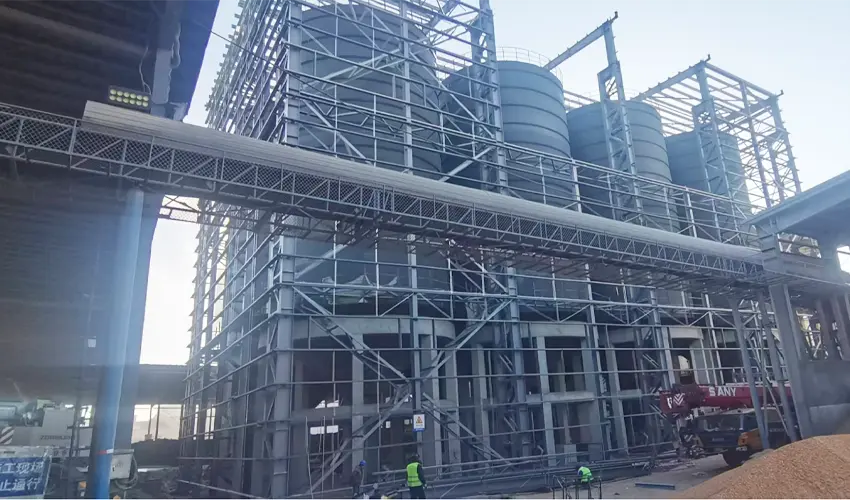
Fuel ethanol blending is not only a downstream fuel problem. It starts with grain selection, fermentation control, dehydration depth, and plant logistics. For procurement teams and project developers comparing E10, E15, and E85 supply, the specification differences determine storage materials, denaturant use, water tolerance, and engine compatibility.
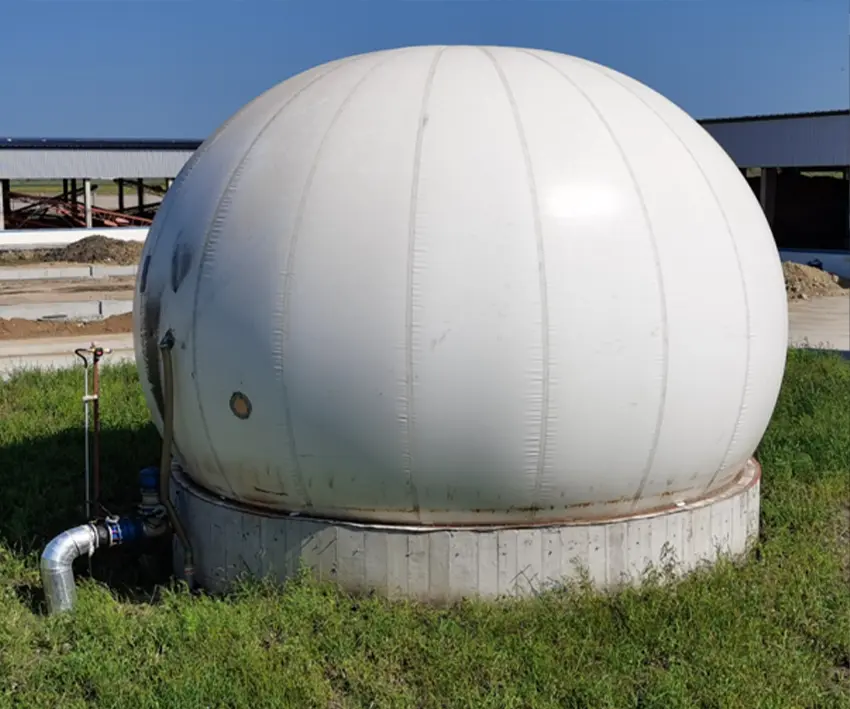
Ethanol plant project management succeeds when co-product integration and energy recovery are treated as schedule drivers, not afterthoughts. In our work across grain-to-alcohol development, we have seen timelines slip and budgets stretch because byproduct streams, utilities, and commissioning were sequenced too late.
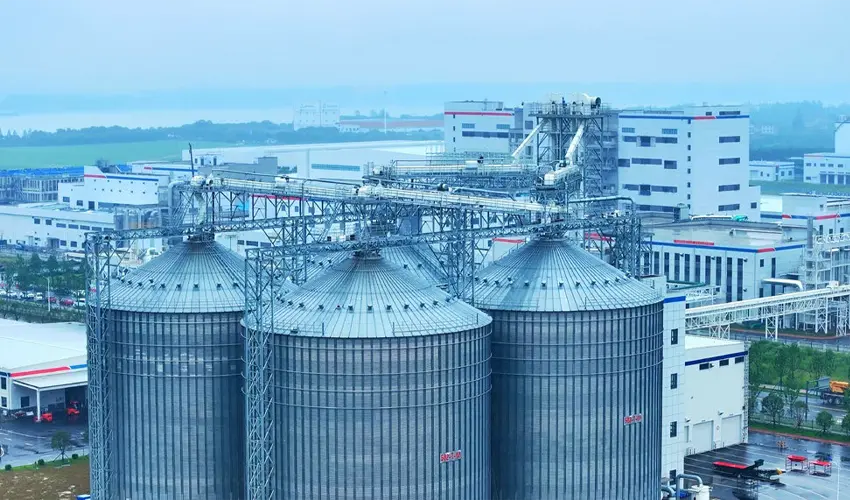
Corn ethanol market analysis usually stops at national supply tables and headline price curves, but plant developers need a sharper question: will the margin hold after the plant is built? In our work across grain storage, alcohol process integration, and livestock feed chains, I have seen feedstock basis risk and co-product offtake decide projects more often than the ethanol price itself.
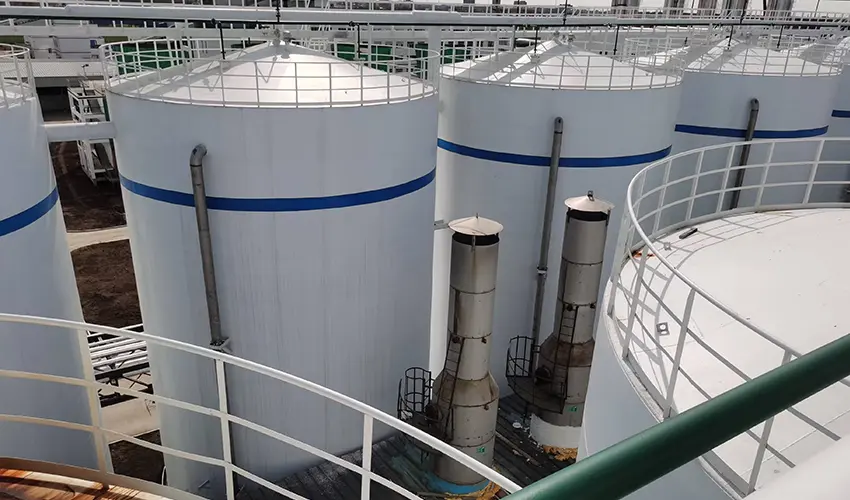
Ethanol process optimization rarely starts with a single piece of equipment. It starts with a hard look at where energy and corn disappear before they become revenue.
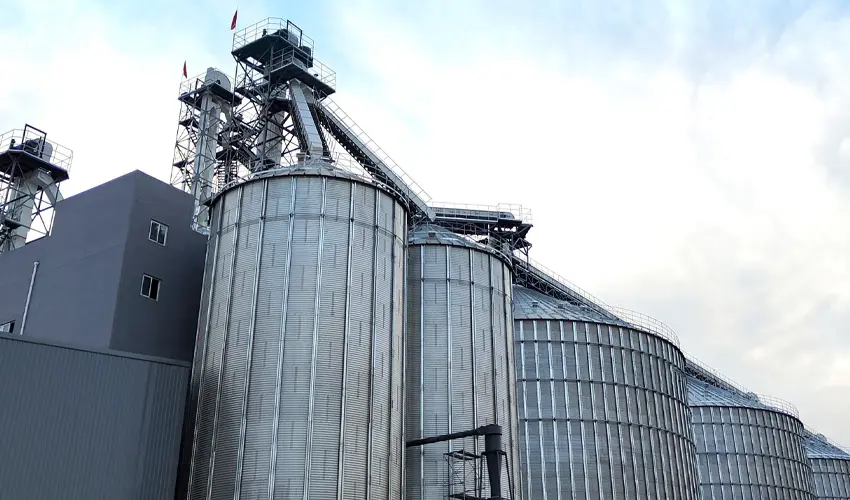
Bioethanol carbon neutrality is a plant-level design outcome rather than a single technology switch. In fuel ethanol production, most carbon is released before a litre reaches the terminal, through corn receiving, milling, fermentation heat, distillation steam, and stillage handling.
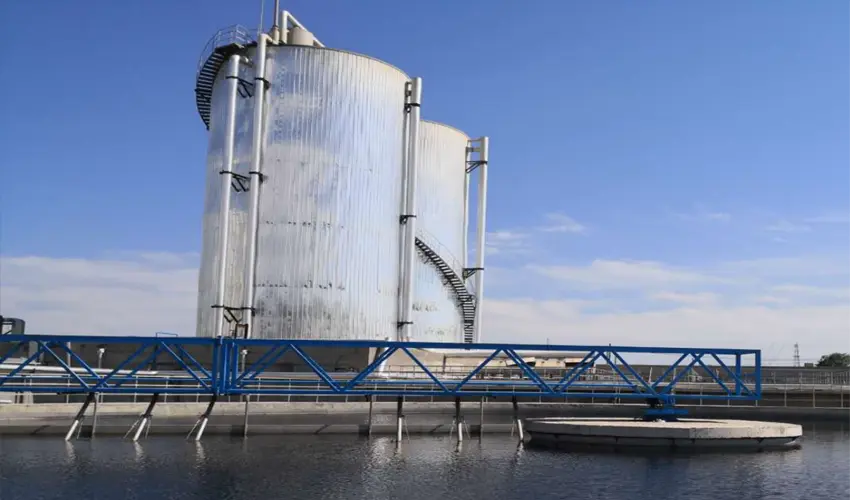
Ethanol plant water consumption is usually framed as a fixed operating cost, but in a corn processing facility the largest reductions come from how water streams are connected rather than from any single treatment unit.
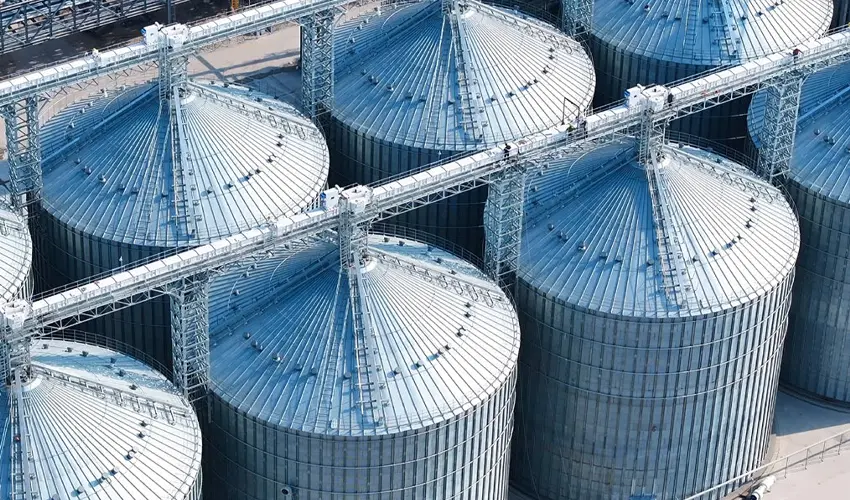
Poor corn storage for ethanol can quietly erode fermentable starch and ethanol yield before the grain reaches the hammer mill. In the integrated fuel ethanol projects we plan, storage is not treated as a holding step.

Ethanol plant safety depends less on the fuel tank at the fence line than on the dust, vapor, and energy interfaces inside the process. The engineering decision that matters most is made before equipment is ordered: zone classification, relief paths, and HAZOP actions set during design.
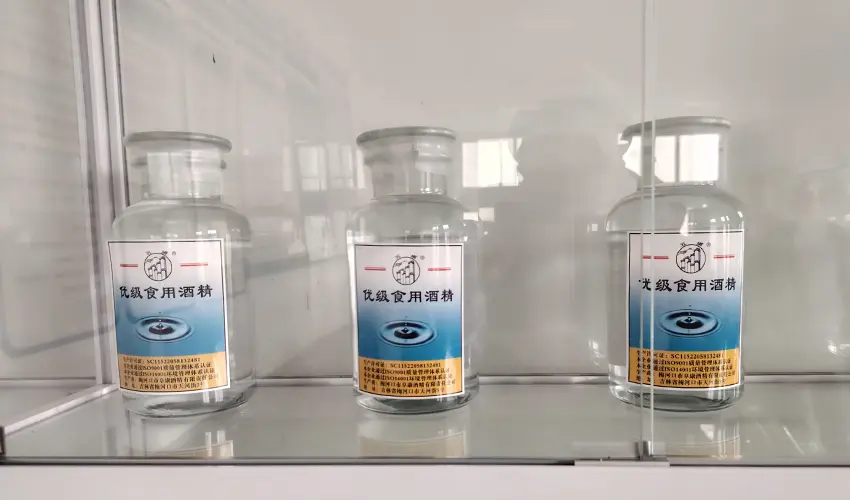
Neutral alcohol for beverages does not earn its name by distillation strength alone. A spirit made from high proof ethanol can still taste harsh, fruity, or vaguely agricultural if the wrong fermentation byproducts survive the rectifier.
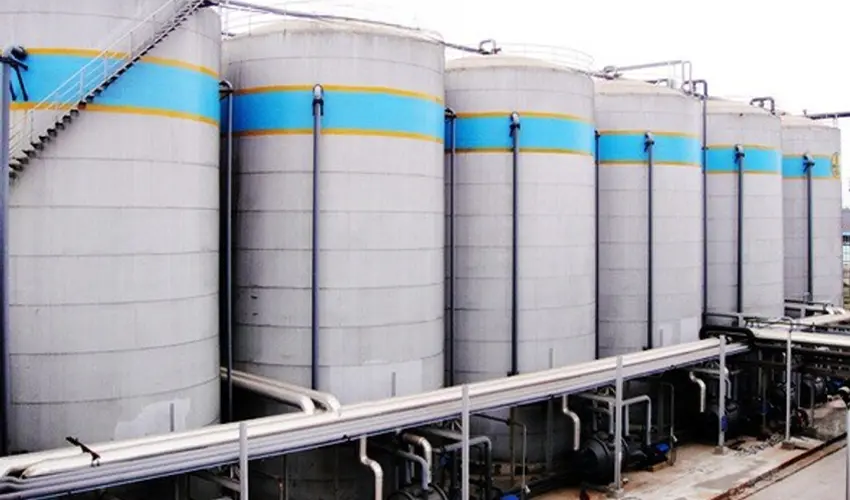
Electronic grade ethanol specifications define the purity window a batch must meet before it can touch a wafer line, and the limits that matter most are not the ethanol assay alone.
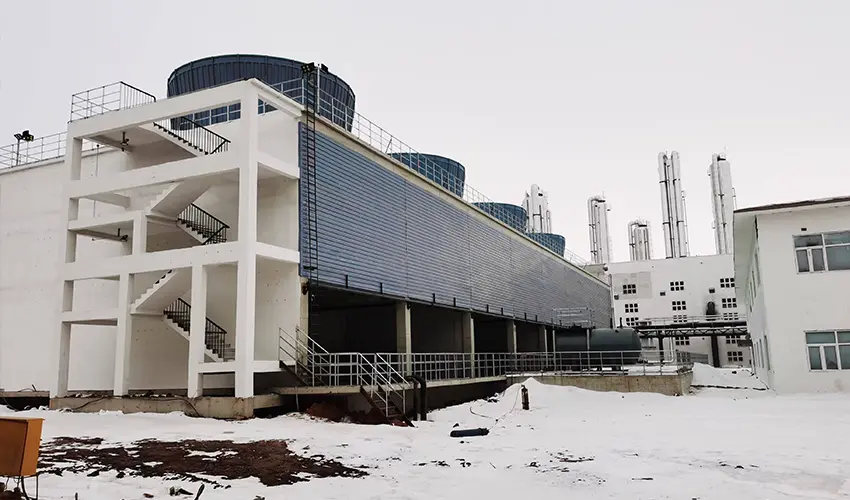
Medical alcohol production is not merely about achieving a high ethanol concentration. It is a regulatory manufacturing activity governed by Good Manufacturing Practice (GMP) standards and clean room requirements that intersect every process stage, from raw grain intake to final sterile filling.
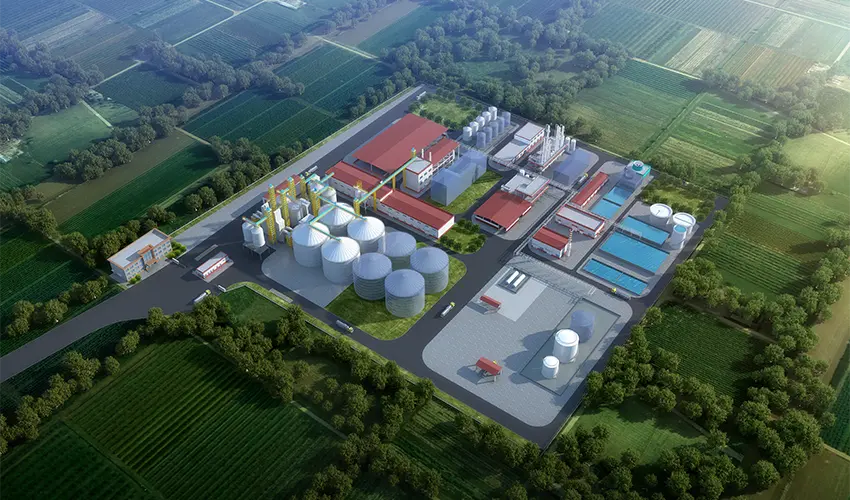
Fuel ethanol specifications determine whether a batch of ethanol meets the requirements for blending into gasoline and entering global fuel markets.
bjhn@agrifamgroup.com