EN

Building High-Quality China-Africa Cooperation Together – President of Zimbabwe Witnesses AGRIFAM Signing Ceremony


Deepening China-Nigeria Agriculture and Livestock Cooperation to Forge a Blueprint for Food Security – Nigerian Ambassador to China Visits AGRIFAM Huinong for Exchange and Inspection


Deepening Industrial Cooperation, Jointly Safeguarding Food Security along the Silk Road – AGRIFAM Huinong Makes Its Debut at the 9th China–Eurasia Expo

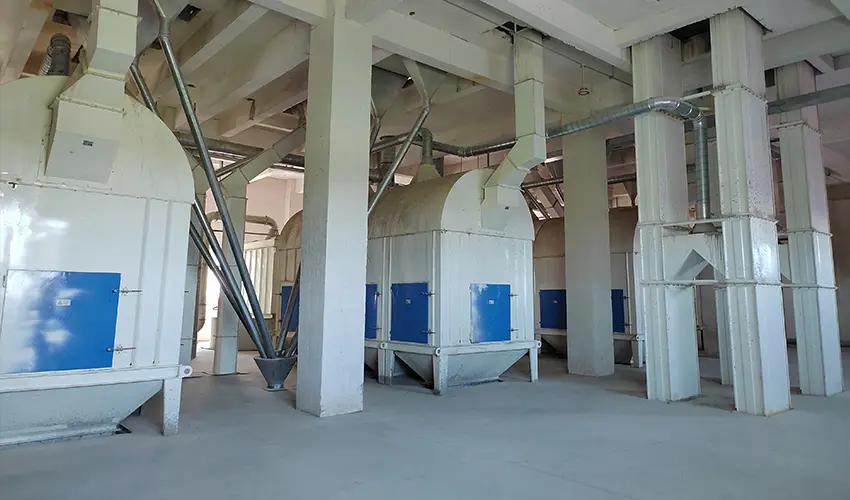
In corn processing, the quality of the final product—whether starch, ethanol, or food-grade flour—starts with the first few meters of the production line.
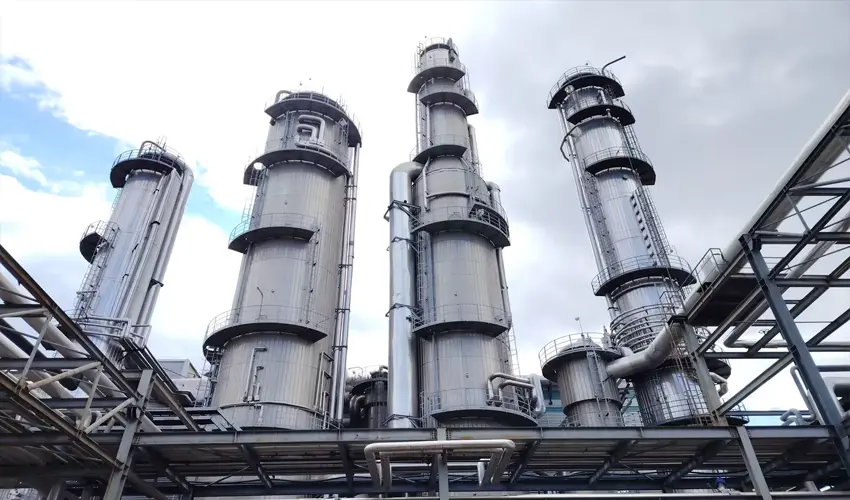
Continuous alcohol fermentation is often discussed as a vessel engineering challenge, but in practice, stable high ethanol yields depend more on yeast management as a system-wide problem.
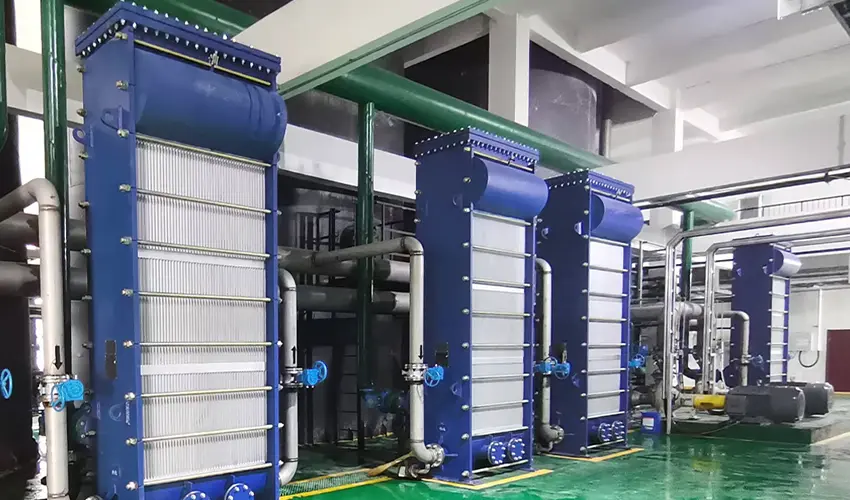
Every corn ethanol plant faces a common tension: the starch conversion step determines both ethanol yield and energy consumption, yet enzyme selection often gets treated as a commodity decision rather than a system design parameter.
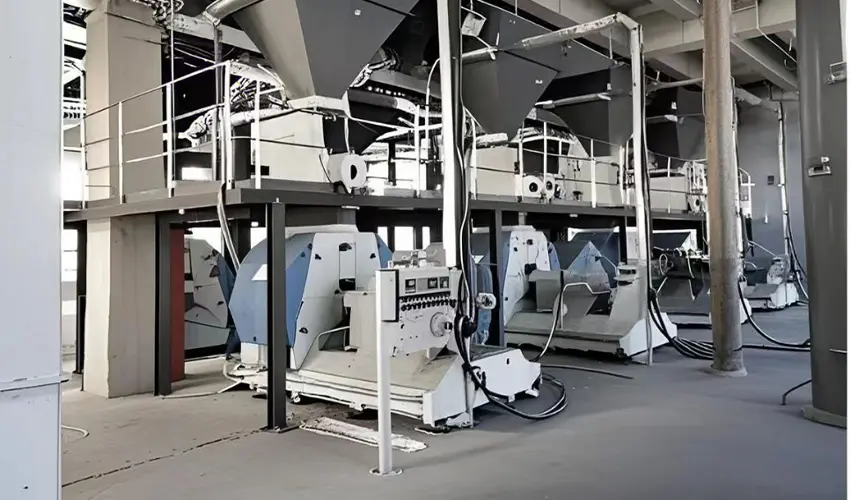
For a corn-based alcohol plant, the crushing and milling stage is not a peripheral operation; it is the foundation that determines ethanol yield, energy consumption, and the quality of distillers grains (DDGS).
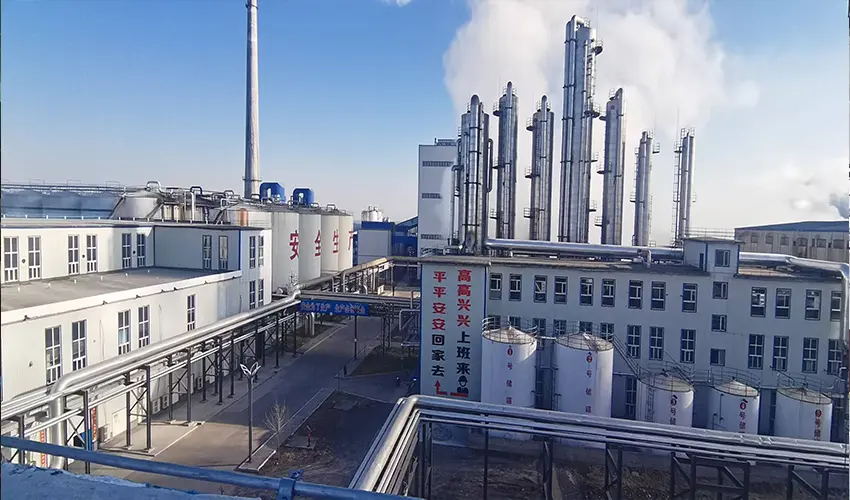
Producing anhydrous ethanol at commercial scale requires a dehydration step that moves product from 95% purity to over 99.5%, a technical leap that defines fuel quality and downstream market eligibility.
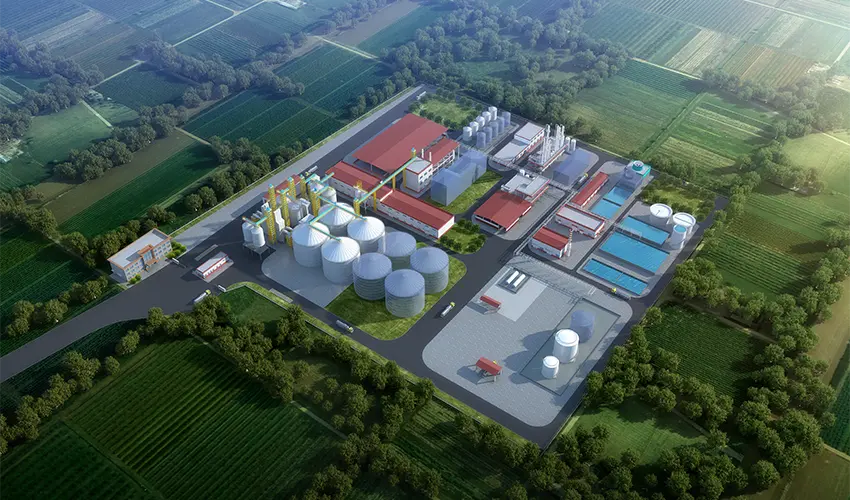
Producing anhydrous ethanol economically at scale demands more than a distillation column and a zeolite bed. In my fifteen years planning integrated agri-food systems, I have seen too many projects where the dehydration step becomes the bottleneck—not because the technology is flawed, but because it was selected in isolation from the plant’s overall energy and mass balance.
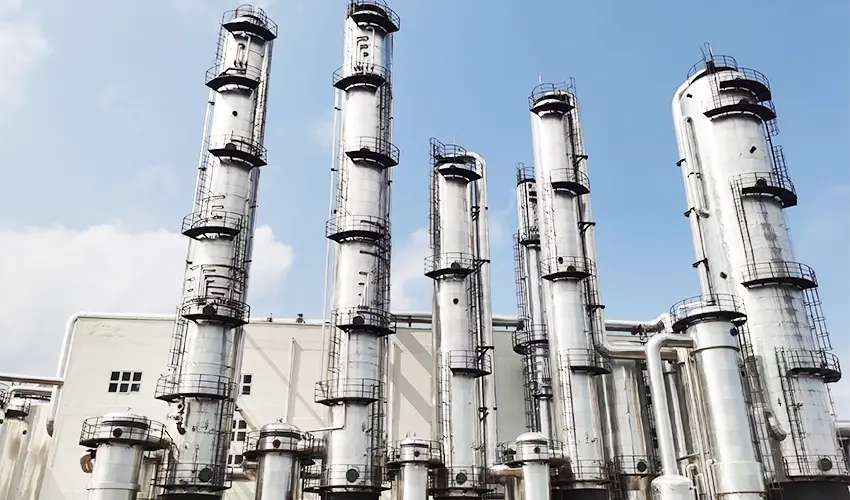
Grain deep processing technology now powers integrated systems that convert corn into fuel ethanol, edible alcohol, and biofuel co-products.
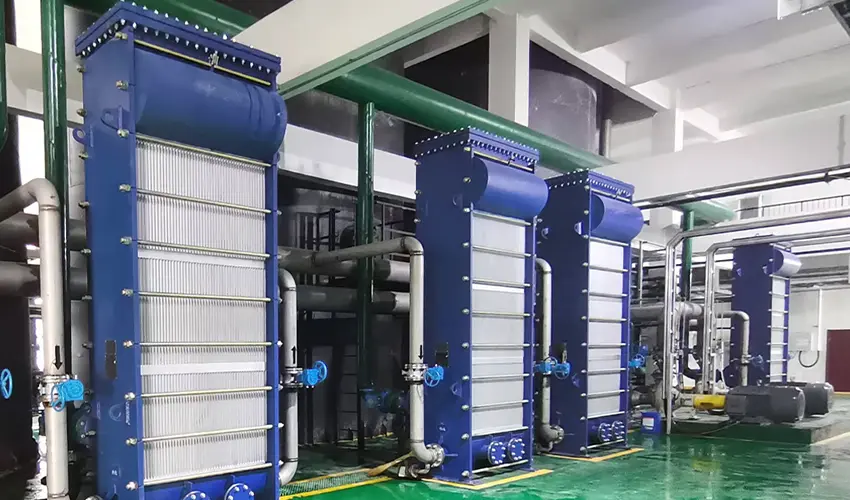
Single-product corn processing plants leave significant revenue on the table. Corn deep processing solutions that integrate starch, alcohol, and feed co-product streams capture the full value of every kernel, turning what would be waste into marketable output.
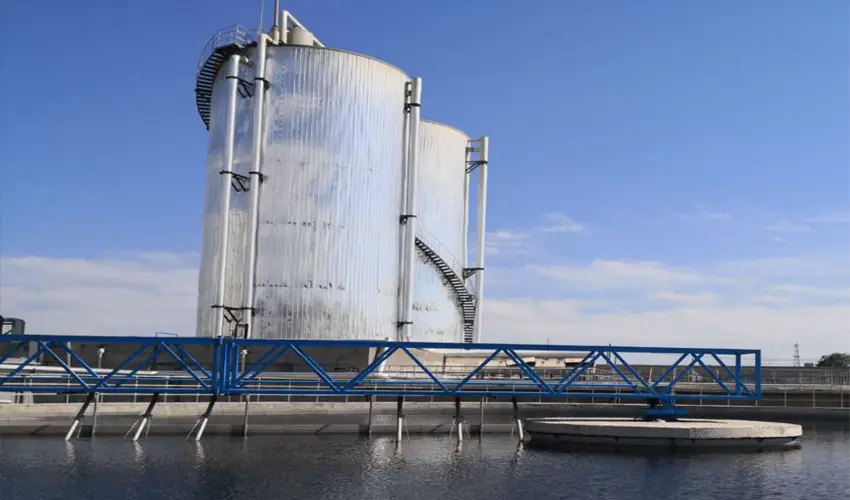
Biogas utilization in ethanol plants turns a disposal cost into a strategic energy asset. The stillage and organic waste streams that emerge from distillation carry a dual burden: high-strength wastewater requiring treatment and a missed opportunity for energy recovery.
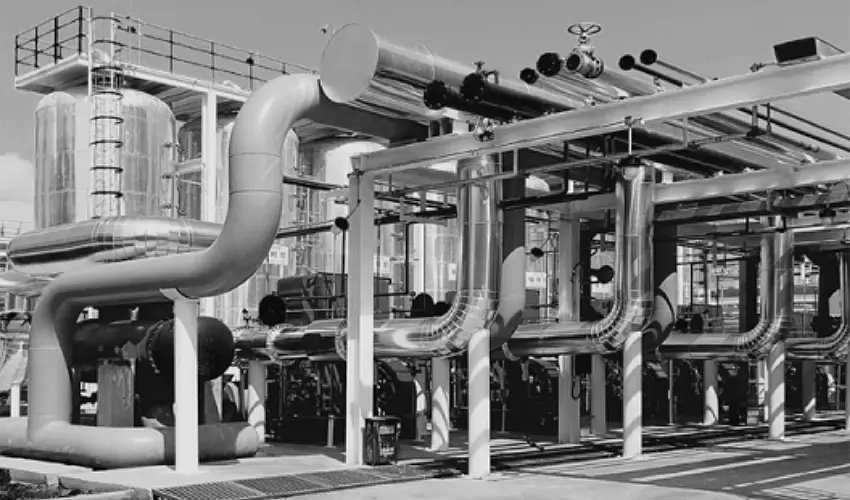
When ethanol plants ferment corn or other grains, they produce not just alcohol but a stream of nearly pure carbon dioxide. For every kilogram of ethanol, roughly equal mass of CO2 is released.
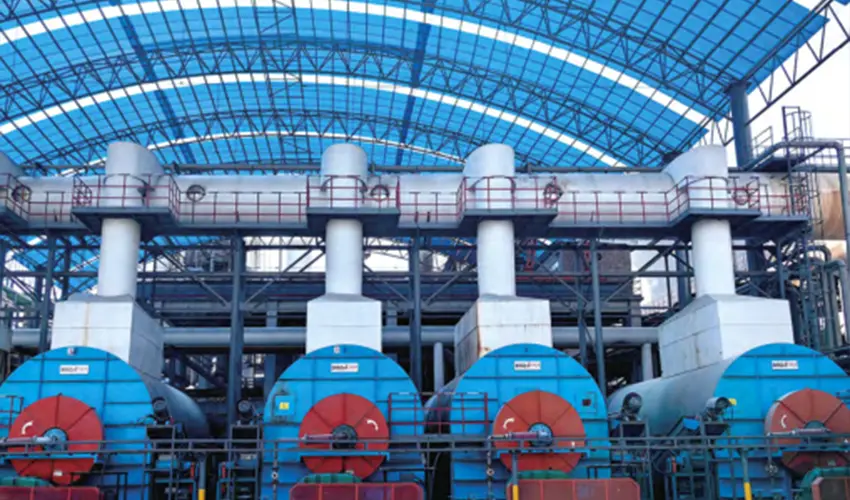
Corn ethanol plants convert starch into fuel, leaving behind protein, fat, fiber, and minerals that become distillers dried grains with solubles, known as DDGS protein feed.
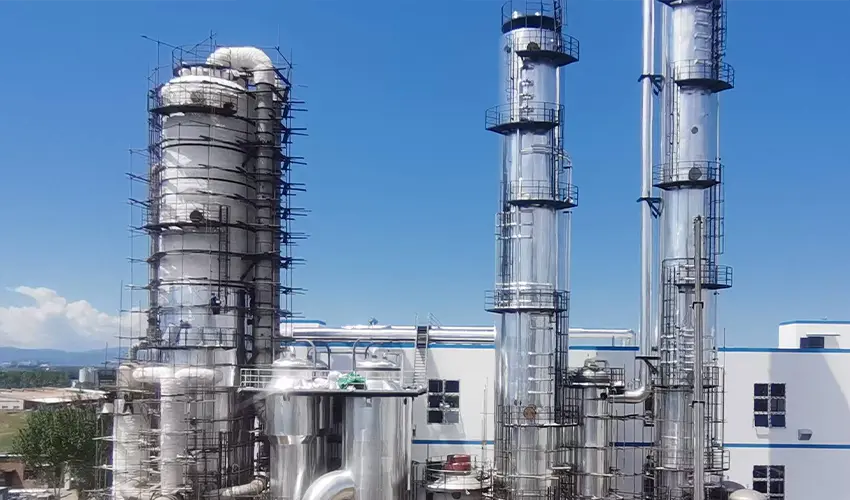
Procurement teams sourcing medical alcohol encounter a market where certificates of analysis can look identical while the manufacturing systems behind them vary dramatically.
bjhn@agrifamgroup.com