EN
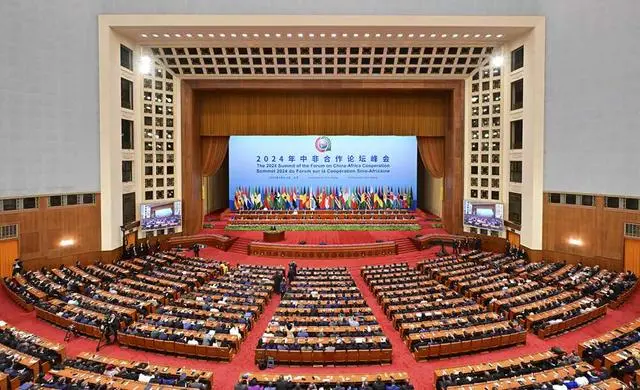
Building High-Quality China-Africa Cooperation Together – President of Zimbabwe Witnesses AGRIFAM Signing Ceremony

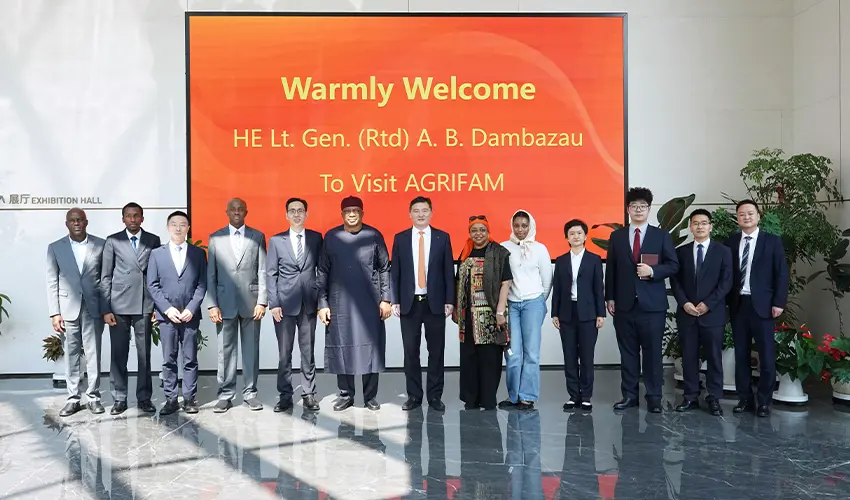
Deepening China-Nigeria Agriculture and Livestock Cooperation to Forge a Blueprint for Food Security – Nigerian Ambassador to China Visits AGRIFAM Huinong for Exchange and Inspection

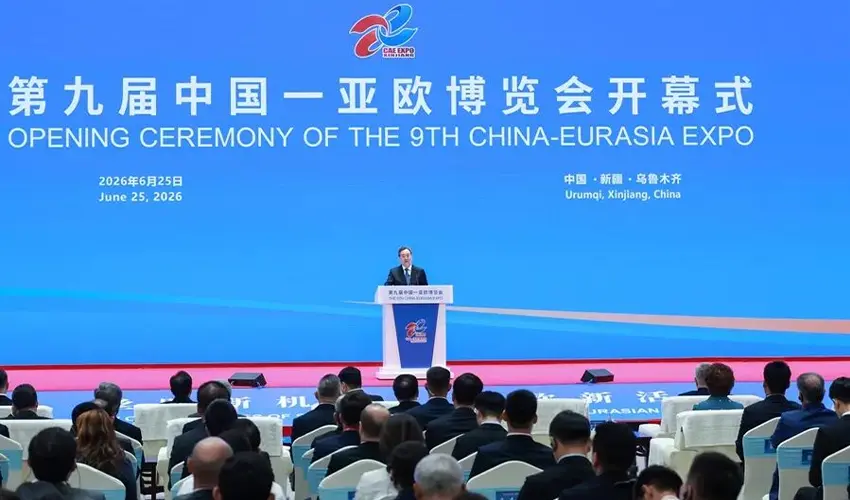
Deepening Industrial Cooperation, Jointly Safeguarding Food Security along the Silk Road – AGRIFAM Huinong Makes Its Debut at the 9th China–Eurasia Expo
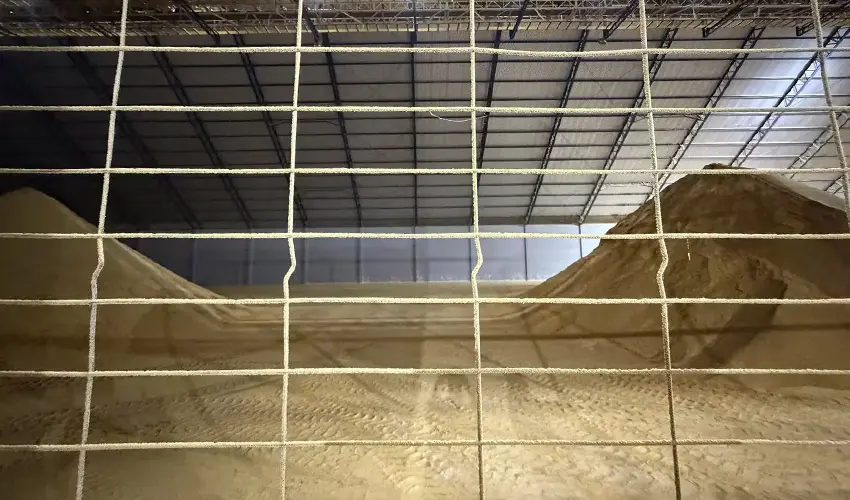
Selecting a DDGS feed supplier involves more than comparing price per metric ton. I have seen across integrated livestock and ethanol projects that the nutritional consistency of distillers dried grains with solubles depends far more on upstream process control than on a certificate of analysis.
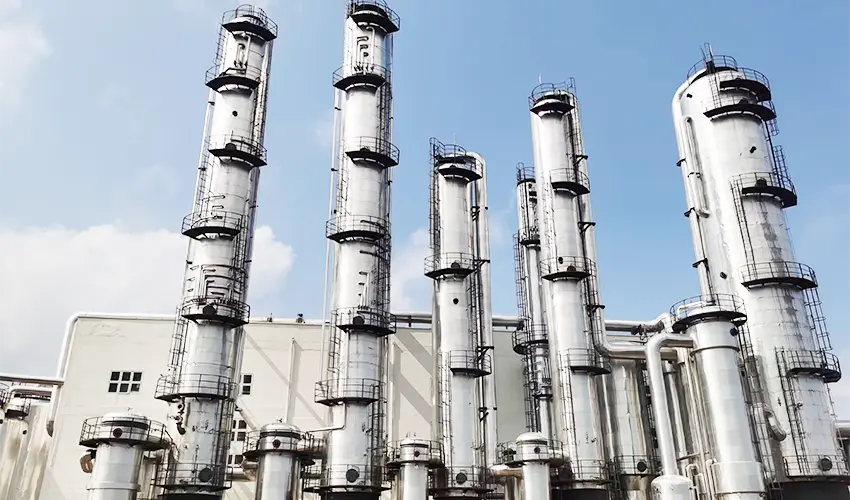
The decision to source edible alcohol begins with a specification, but it should not end there. Neutral spirit for food and beverage production carries demands that go well beyond ethanol percentage—organoleptic neutrality, traceable feedstock lineage, and batch-to-batch consistency all depend on infrastructure that most buyers never see.
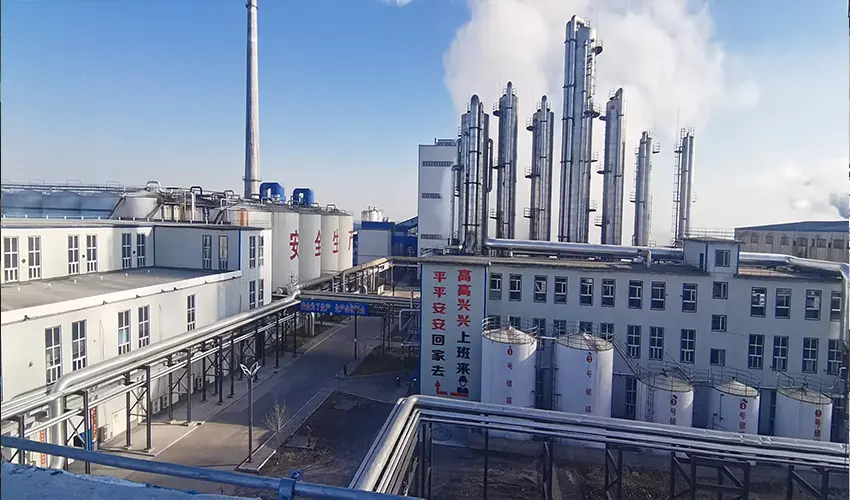
Sourcing medical alcohol for pharmaceutical or disinfectant production goes beyond verifying a GMP certificate. For procurement teams and brand owners, the real assurance lies in an integrated manufacturing model that controls quality from raw grain to the final sealed container.
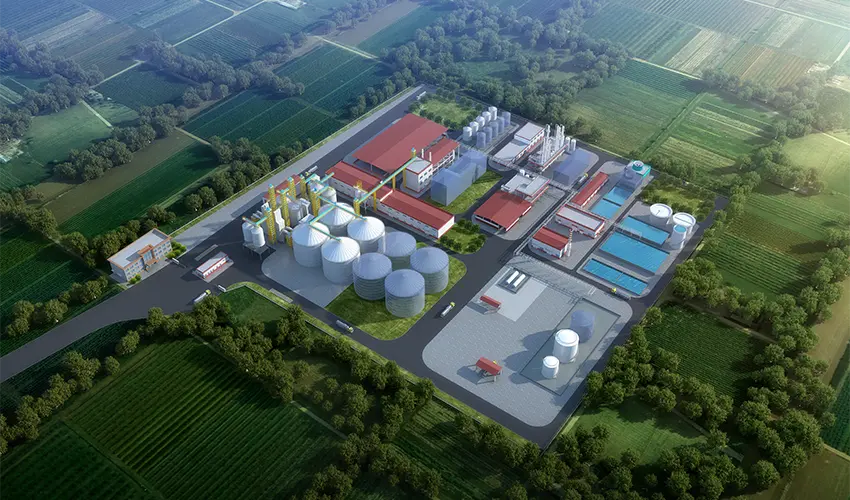
In fuel ethanol production, selecting an ethanol production line supplier who understands that equipment is only half the story can make the difference between a plant that meets its targets and one that consistently underperforms.
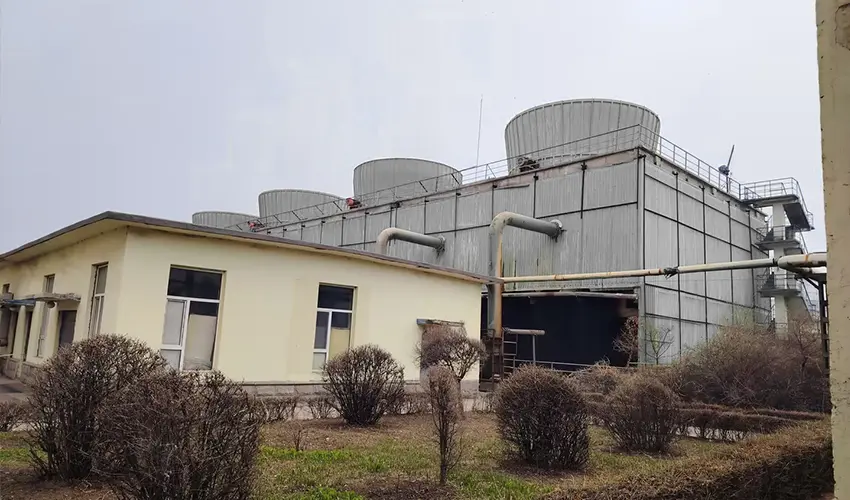
Building a corn ethanol plant is not a purchase of isolated equipment. It is the construction of an integrated system where grain intake, milling, fermentation, distillation, dehydration, by-product handling, and energy recovery must function as one continuous loop.
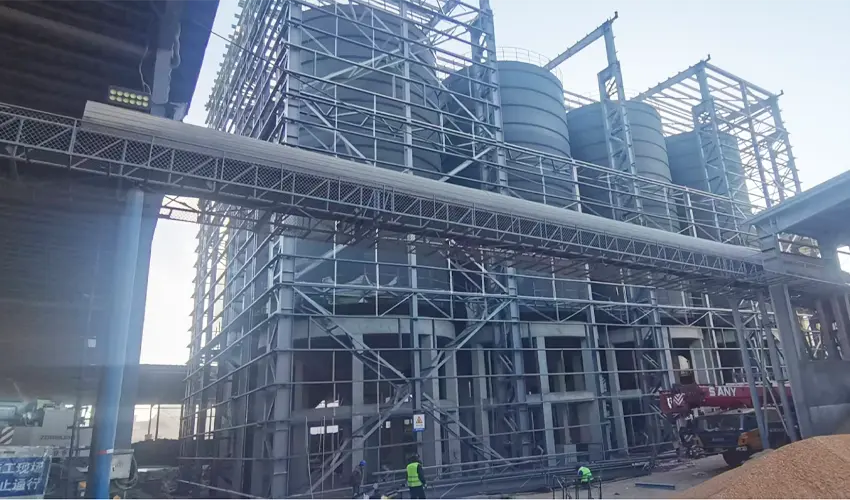
Selecting an anhydrous ethanol manufacturer that can meet custom industrial specifications is far more complex than ordering off‑the‑shelf fuel ethanol.
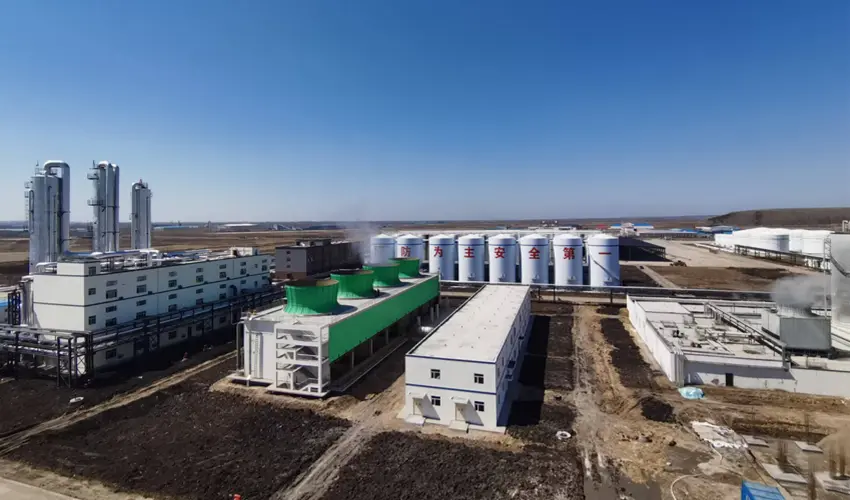
Fuel ethanol supplier selection is a strategic decision that extends far beyond price per liter and delivery schedules.
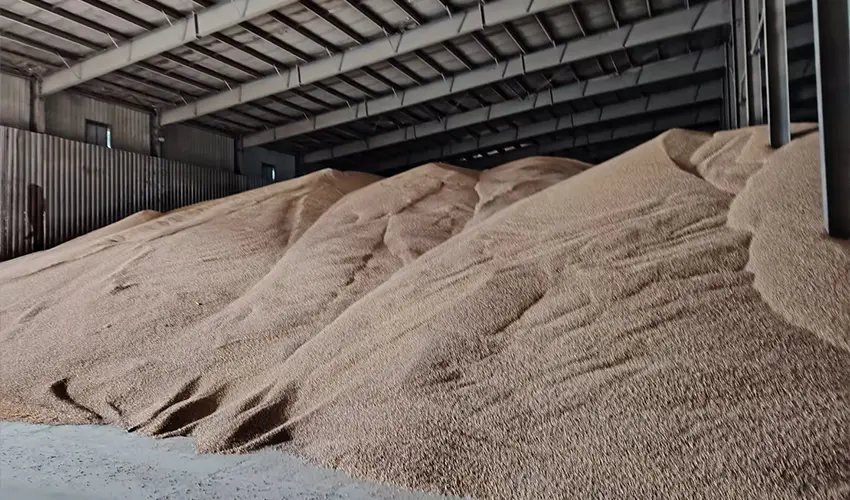
Most grain alcohol plants recover the obvious co-products: distillers grains for feed, maybe some CO₂ if the economics line up. A genuinely closed-loop alcohol production system goes further.
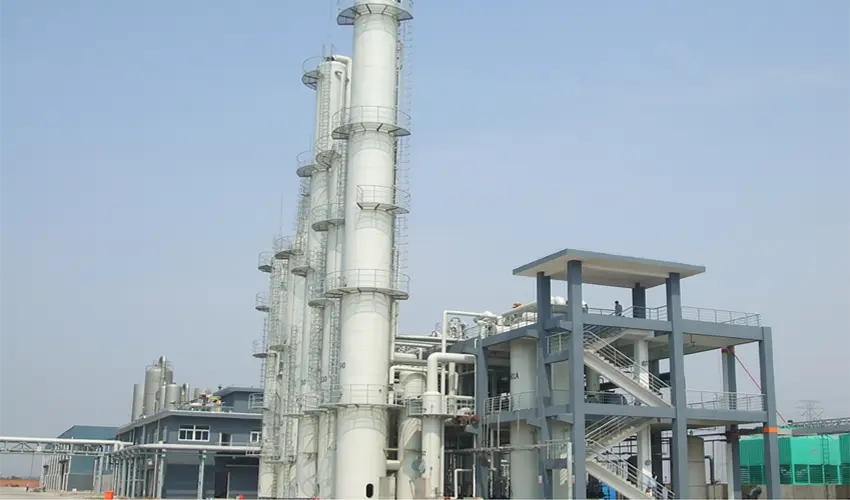
Ethanol plant digital management has moved beyond simple SCADA screens. Today, integrated intelligent control platforms connect every unit operation—from corn intake to anhydrous ethanol loading—into a single decision-making system.
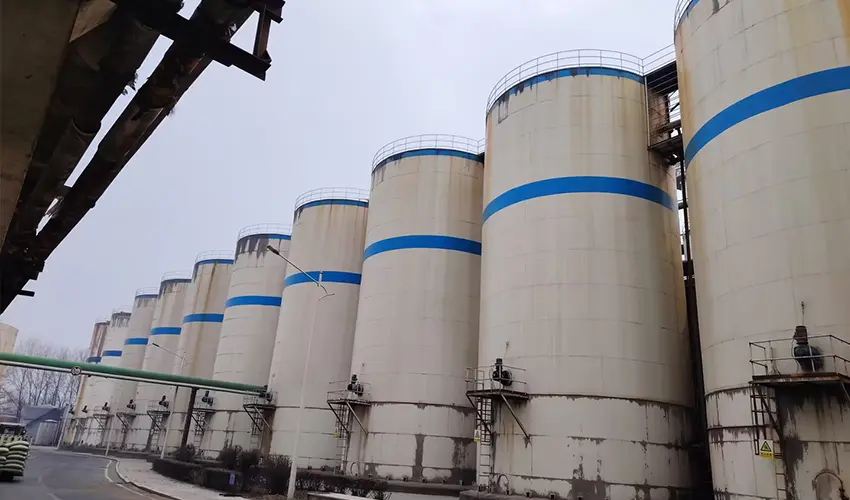
After feedstock, steam is the largest operating cost in an ethanol distillation plant. Distillation and dehydration often account for 40–50% of total thermal energy consumption, and waste heat recovery systems offer the most direct path to lowering that figure.
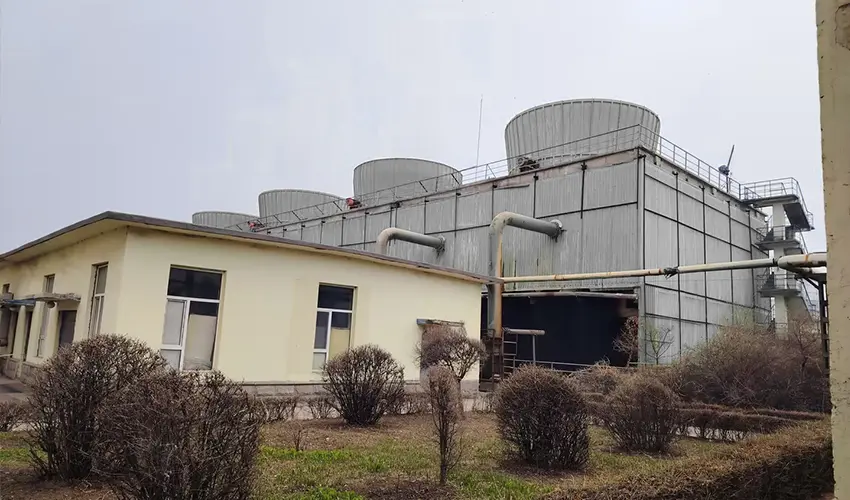
In corn ethanol and industrial alcohol production, distillation and evaporation consume over 60% of total plant energy, making energy cost the single largest margin pressure. Our team at AGRIFAM has integrated energy cascade utilization systems into multiple fuel ethanol and industrial alcohol facilities, achieving a 25% reduction in energy consumption without sacrificing throughput.
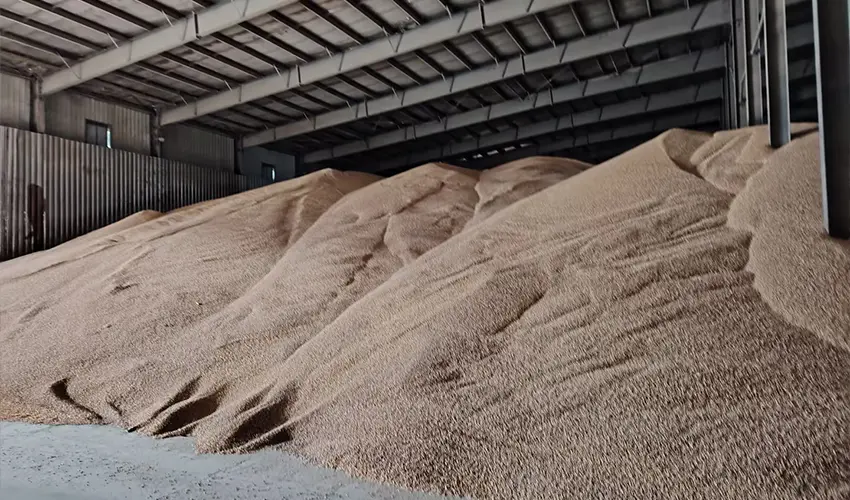
As the agricultural sector confronts rising input costs and tightening sustainability mandates, the traditional corn ethanol plant is evolving into something far more valuable: a multi-stream resource hub. Circular economy in ethanol production means designing a facility that transforms a single corn kernel into fuel, food-grade CO₂, high‑protein animal feed, and renewable energy, eliminating waste streams entirely.
bjhn@agrifamgroup.com