EN

Building High-Quality China-Africa Cooperation Together – President of Zimbabwe Witnesses AGRIFAM Signing Ceremony


Deepening China-Nigeria Agriculture and Livestock Cooperation to Forge a Blueprint for Food Security – Nigerian Ambassador to China Visits AGRIFAM Huinong for Exchange and Inspection


Deepening Industrial Cooperation, Jointly Safeguarding Food Security along the Silk Road – AGRIFAM Huinong Makes Its Debut at the 9th China–Eurasia Expo
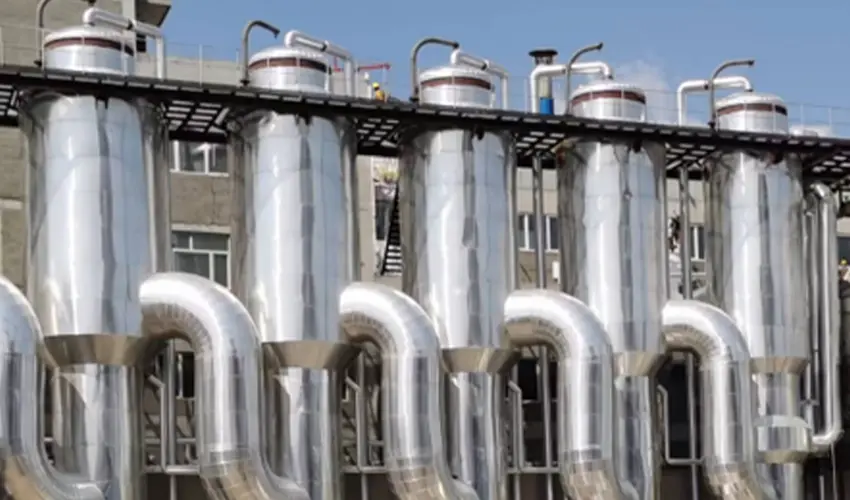
A corn ethanol process flow diagram is rarely just a drawing sequence. It is the plant’s operating logic made visible, from the first truck or rail sample at grain receiving to the anhydrous ethanol tank and the DDGS load-out conveyor.
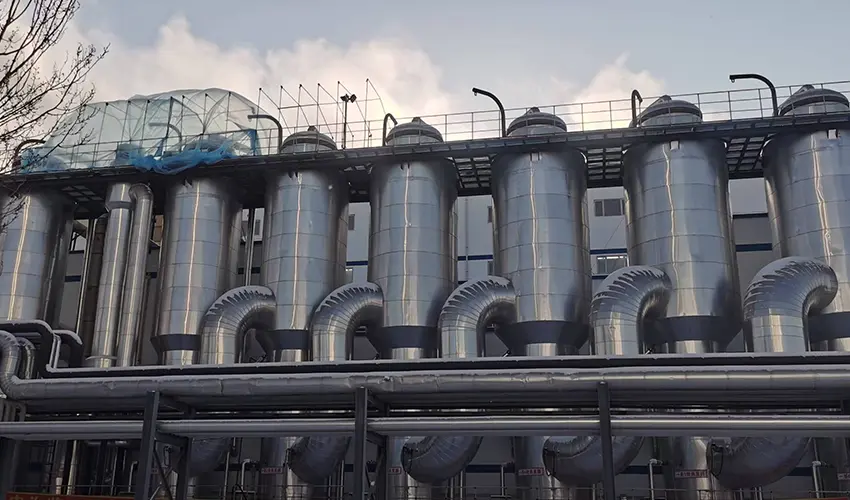
Ethanol plant equipment maintenance decisions made during design and commissioning determine whether a plant runs near its rated capacity or drifts into repeated unplanned stops.
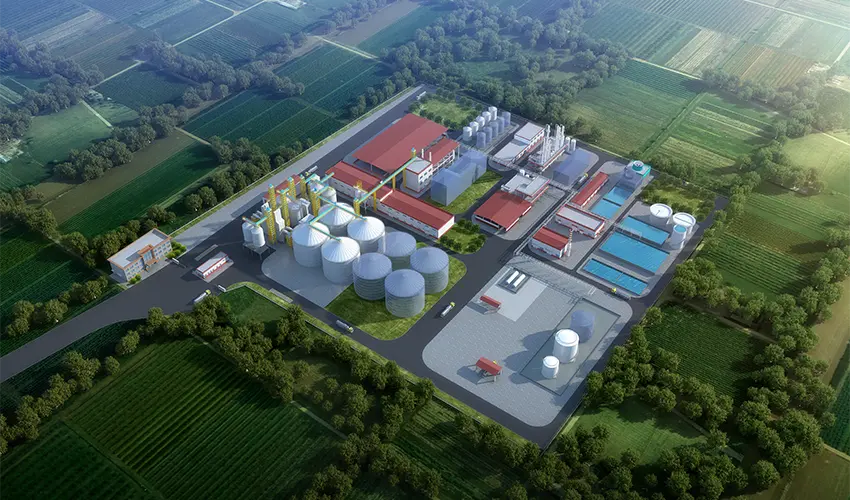
A turnkey ethanol project is only as strong as the scope that binds it. Investors often treat design, construction, and commissioning as separate decisions, but plants that reach nameplate capacity fastest are usually the ones where one team carries all three phases and owns the interfaces between them.
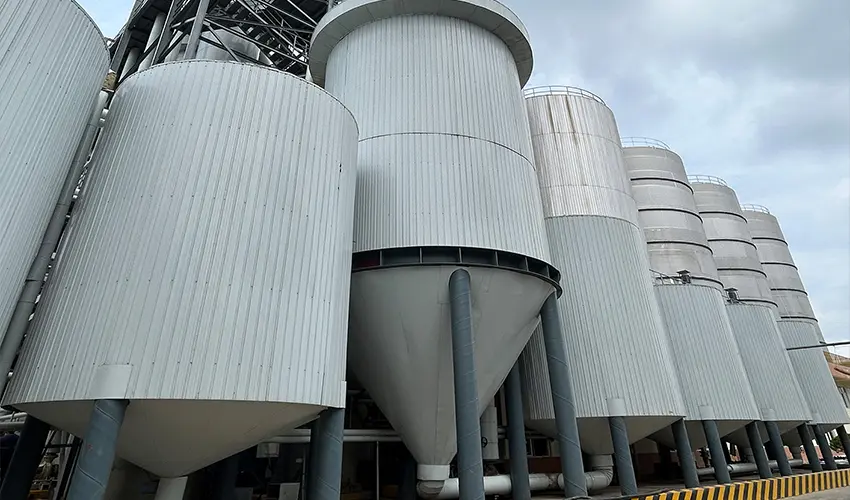
Most ethanol plant budgets stop at the obvious input costs, and that is exactly where margin gets lost. An ethanol production cost breakdown that treats corn, energy, and labor as separate line items misses the way process design decides each one.
Fuel ethanol certification is rarely only a laboratory exercise. In our project reviews, the certification question determines corn intake quality, fermentation controls, distillation cut points, denaturant choice, and export documentation.
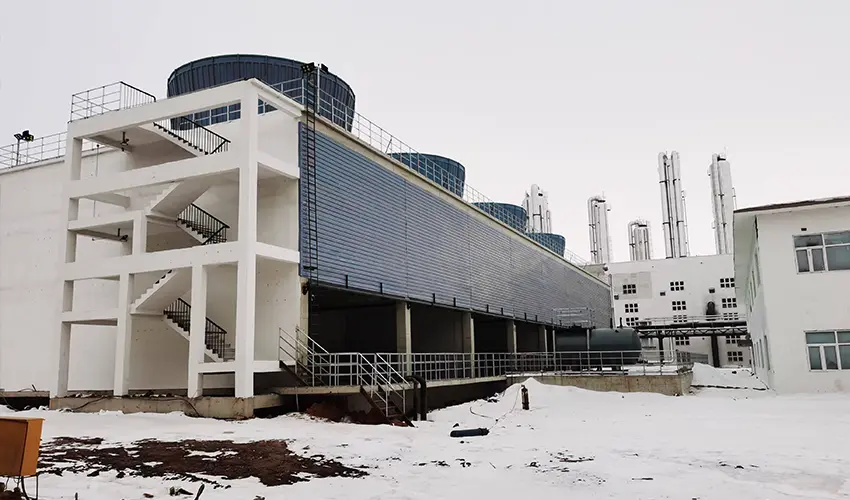
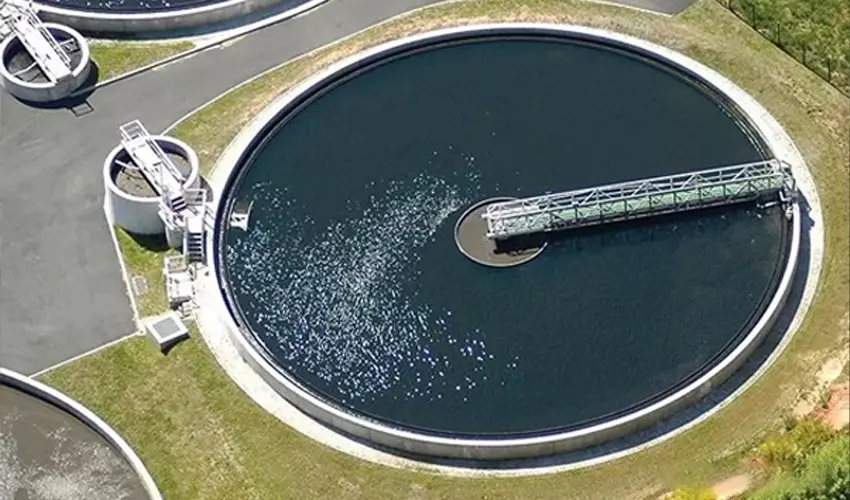
Most published guidance treats ethanol plant wastewater as a generic industrial effluent and jumps straight to reactor selection. That misses the design problem. In fuel ethanol and alcohol production, the treatment train must absorb stillage, evaporator condensate, CIP returns, and cooling blowdown as one interactive system.
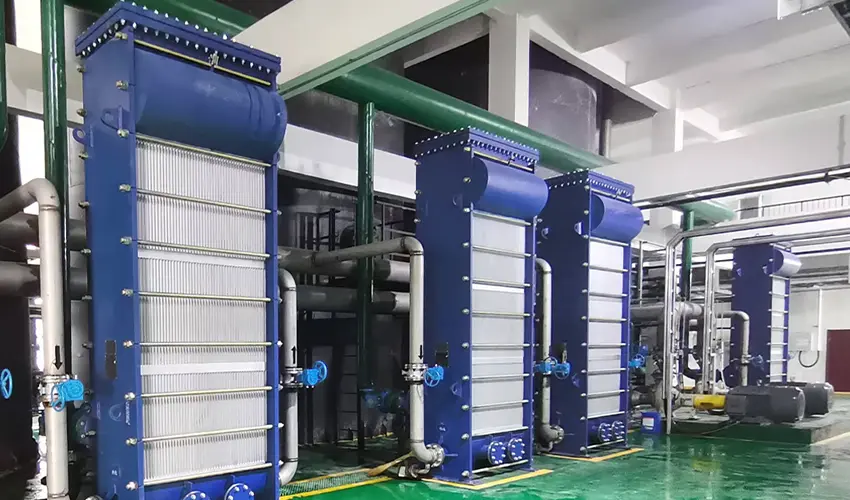
Corn ethanol supply chain planning fails when owners treat the fuel plant as an isolated conversion unit. From farm gate to fuel pump, the chain links corn receiving, storage, milling, fermentation, distillation, dehydration, co-product recovery, and outbound fuel distribution.
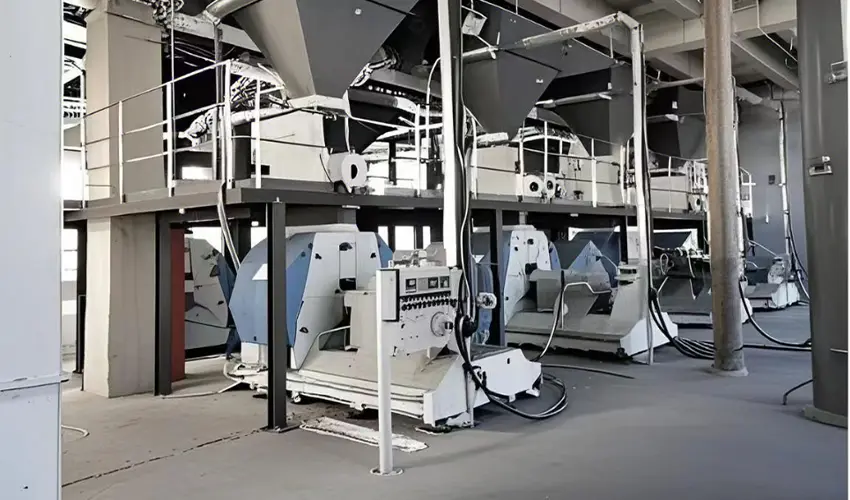
Ethanol plant electrical system design succeeds or fails on how well power distribution and motor control align with hazardous area boundaries and process startup sequences.
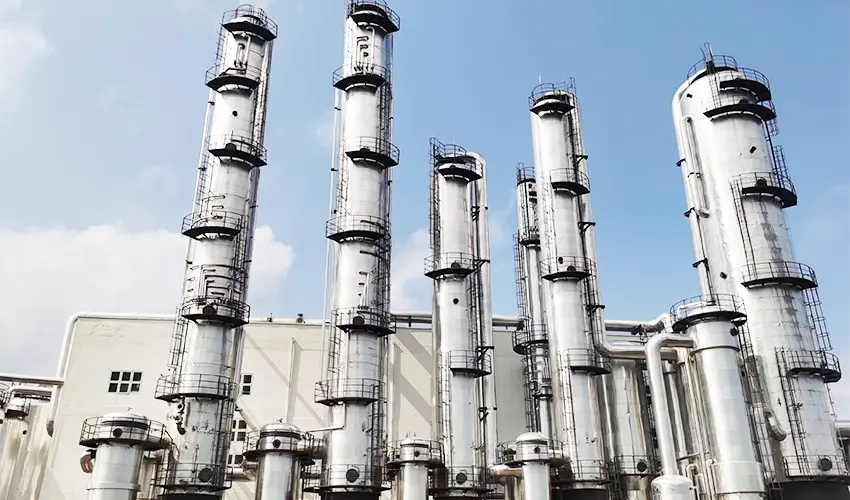
Ethanol distillation column design sets the practical boundary for steam consumption, product quality, and maintenance exposure in any grain-based alcohol or fuel ethanol plant. The choice between tray and packed internals is not a preference question.
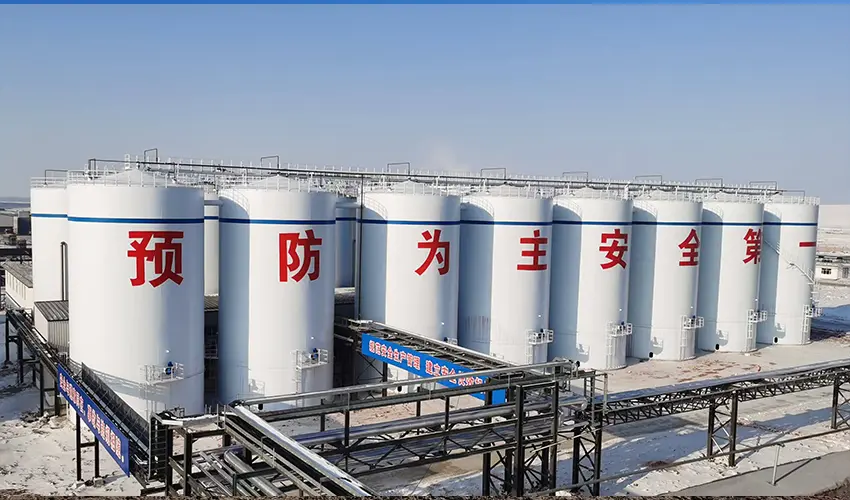
In fuel ethanol plants, the distance between a stable alcohol yield and a fermenter that stalls midway through a run often comes down to one biological input: ethanol fermentation yeast.
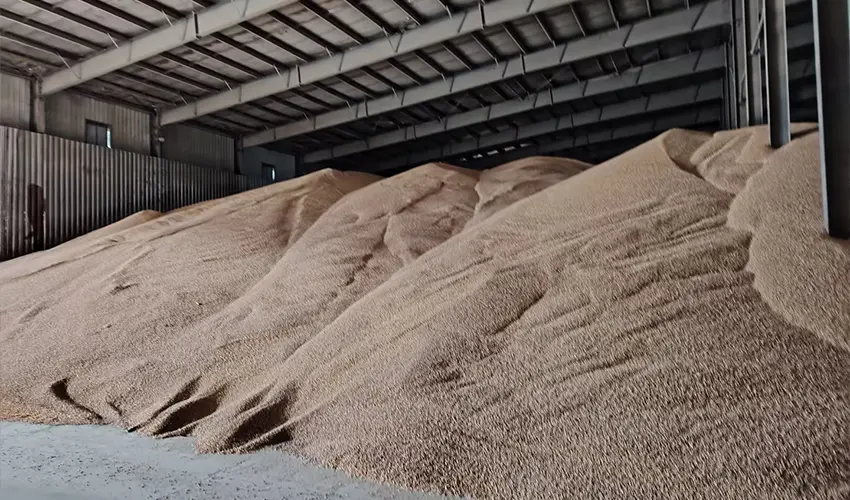
Corn ethanol co-products now determine whether a fuel ethanol plant operates at a real margin or leaves value in the stillage stream. Most feasibility studies still treat DDGS, CO2, and biogas as disposal issues or postponed opportunities, but developers who integrate these streams from the first process flow diagram recover revenue that changes project payback.
An ethanol plant environmental permit is best treated as a design input, not a bureaucratic checkpoint at the end of project development.
bjhn@agrifamgroup.com