EN

Building High-Quality China-Africa Cooperation Together – President of Zimbabwe Witnesses AGRIFAM Signing Ceremony


Deepening China-Nigeria Agriculture and Livestock Cooperation to Forge a Blueprint for Food Security – Nigerian Ambassador to China Visits AGRIFAM Huinong for Exchange and Inspection


Deepening Industrial Cooperation, Jointly Safeguarding Food Security along the Silk Road – AGRIFAM Huinong Makes Its Debut at the 9th China–Eurasia Expo
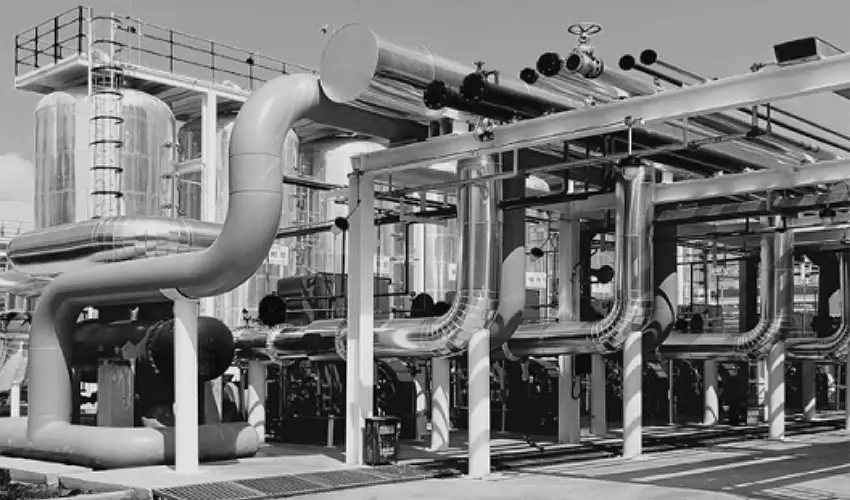
Fuel ethanol transportation regulations determine whether product moves by tanker, rail, or pipeline, and they shape site design long before the first gallon leaves the gate.
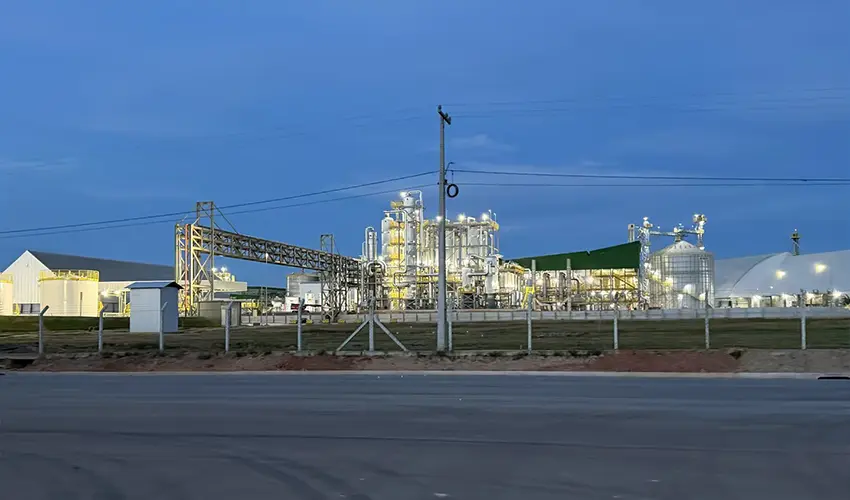
Ethanol plant piping design decides whether a well-planned alcohol process becomes a reliable, maintainable line or a source of leaks, lost product, and startup delays.
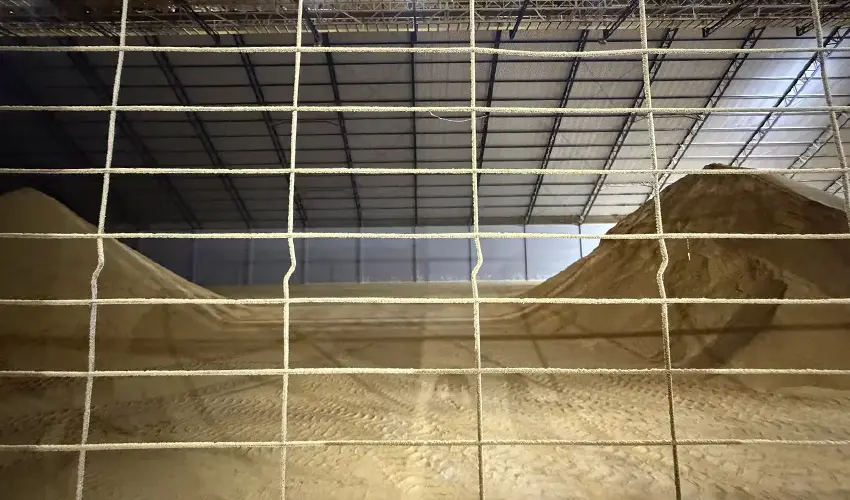
Corn ethanol greenhouse gas assessments usually go wrong before the first process calculation. The error is boundary choice.
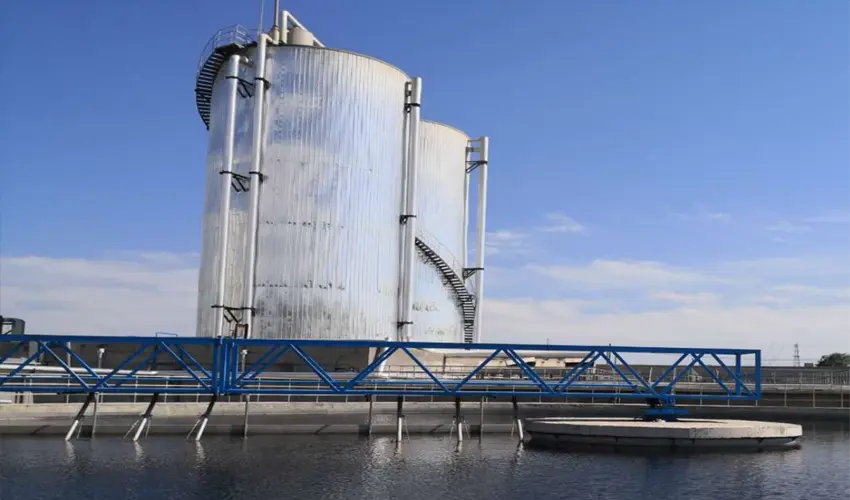
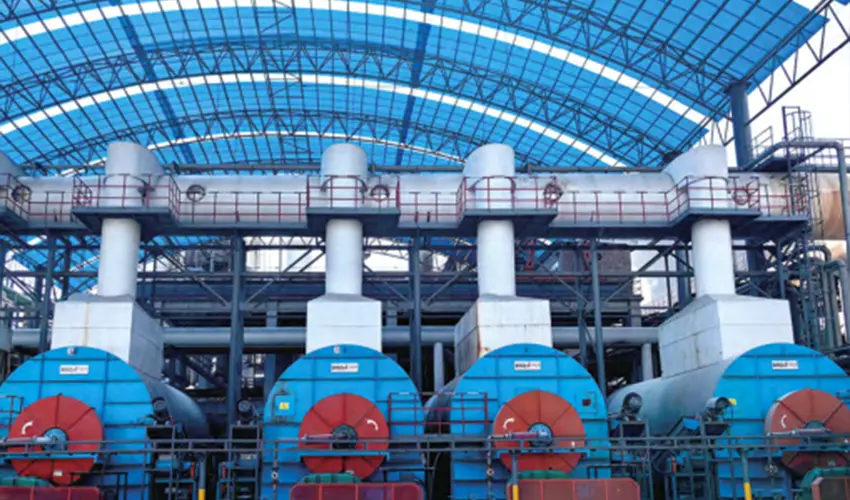
Ethanol plant steam system design usually decides whether a corn processing facility meets its energy budget or runs above it. Boiler selection and steam distribution are one thermodynamic chain from grain receiving through cooking, distillation, and molecular sieve dehydration.
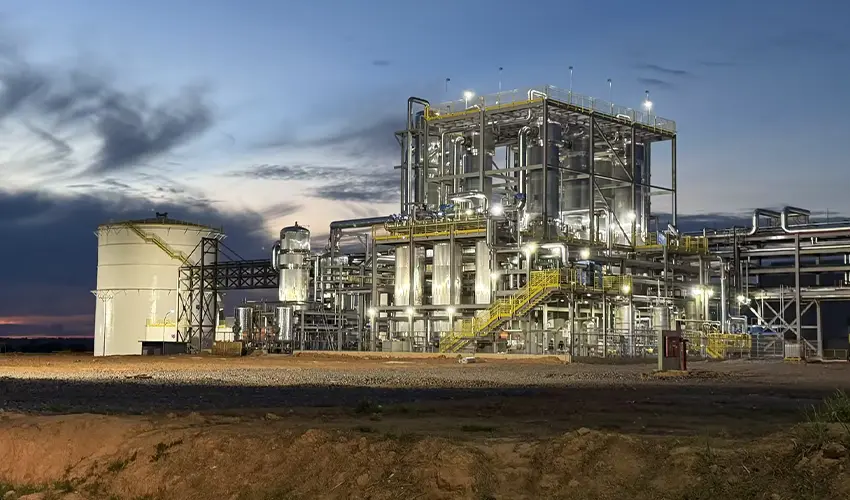
Anhydrous ethanol uses span fuel blending, industrial solvents, laboratory reagents, and pharmaceutical processing, but the operative difference is not the label. It is water content.
A fuel ethanol plant can run, or it can respond. The difference shows in steam flow, fermentation temperature, molecular sieve timing, and the speed at which operators isolate a process upset.
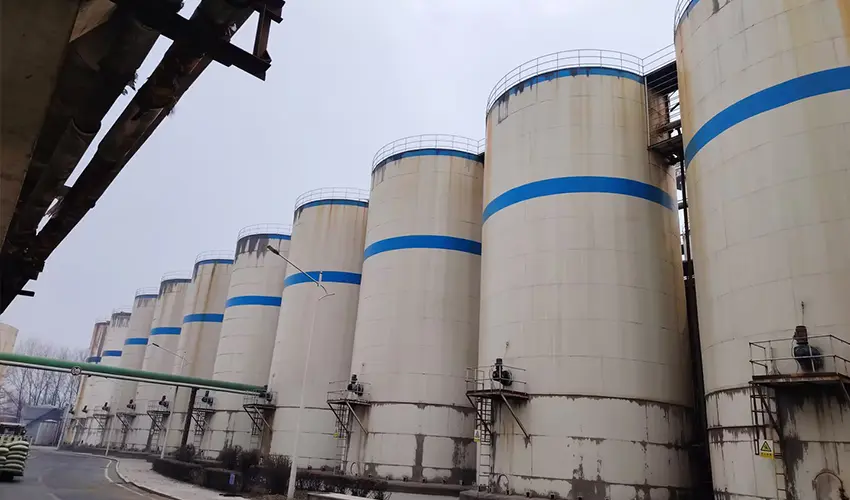
Corn ethanol yield per acre is not a single number; it is the product of field output, starch content, and biorefinery recovery.
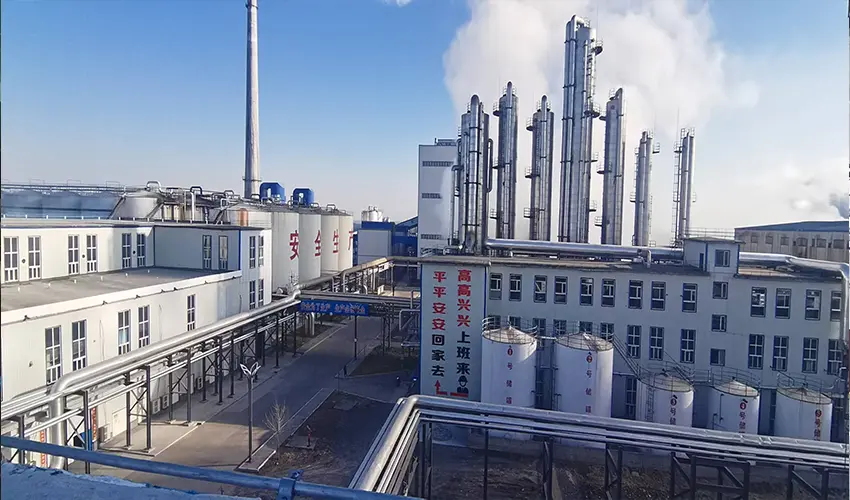
Fuel ethanol policy decides whether a corn-based project is bankable long before the first column arrives on site.
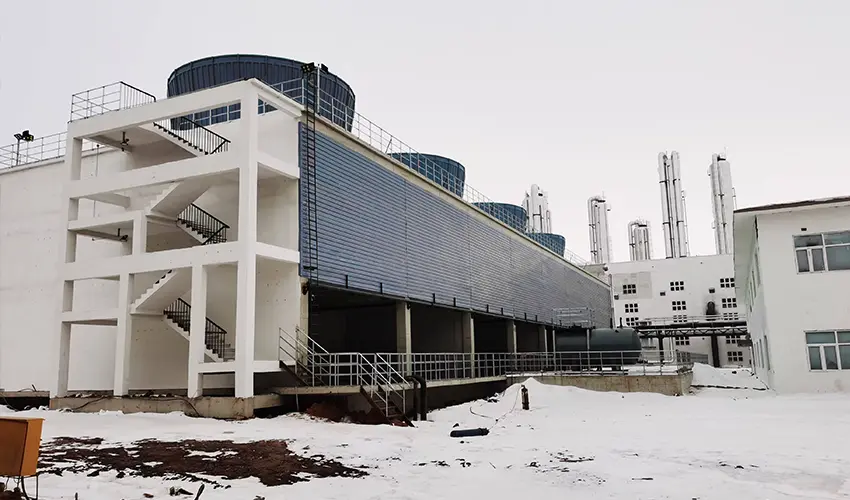
Ethanol cooling system design shapes more than water temperature. It determines how much steam a distillation train consumes, how stable fermentation stays during summer operation, and how clean the plant water loop remains over a five-year run.
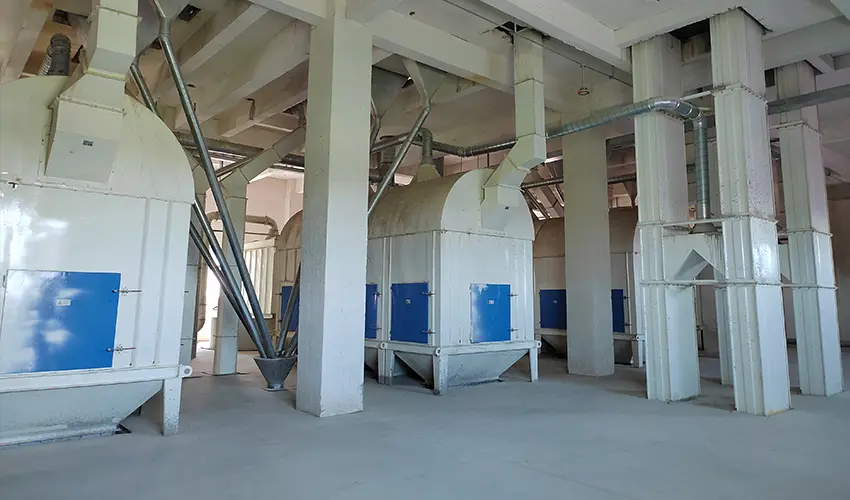
Most ethanol plant operators do not fear the corn itself. The real hazard forms in dust that escapes during receiving, conveying, cleaning, and milling, then settles on beams, floors, and equipment.
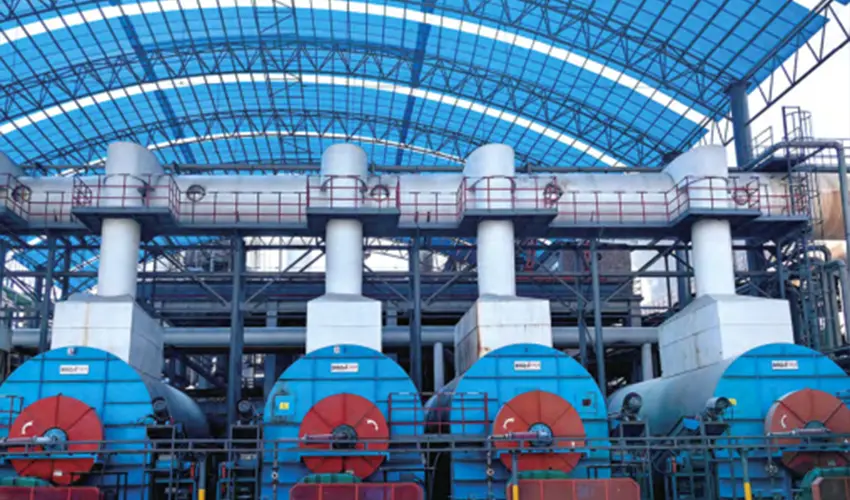
Bioethanol production capacity has stopped moving in a straight line. The legacy leaders still hold large shares, but new investment is shifting to markets where domestic feedstock, blending policy, and co-product demand line up.
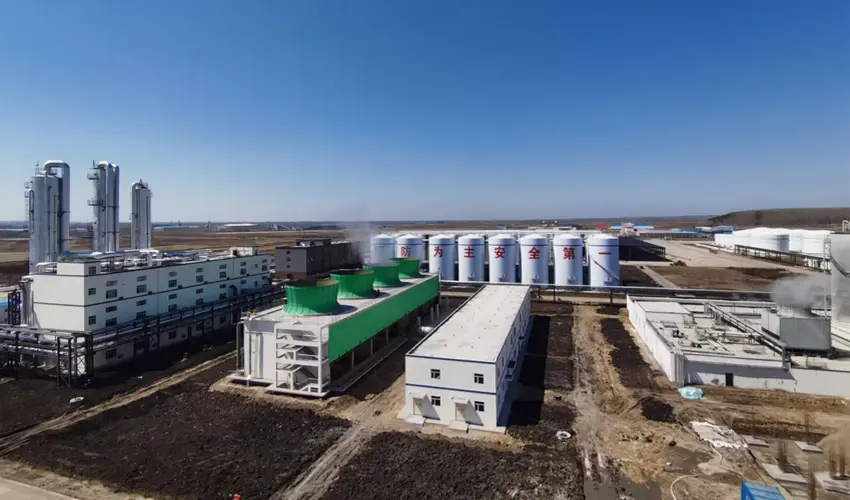
Ethanol plant heat integration changes the steam balance more than any single equipment upgrade. Pinch analysis supplies the method for locating that change before the process flow diagram is locked.
bjhn@agrifamgroup.com